

Ksenia Breivo
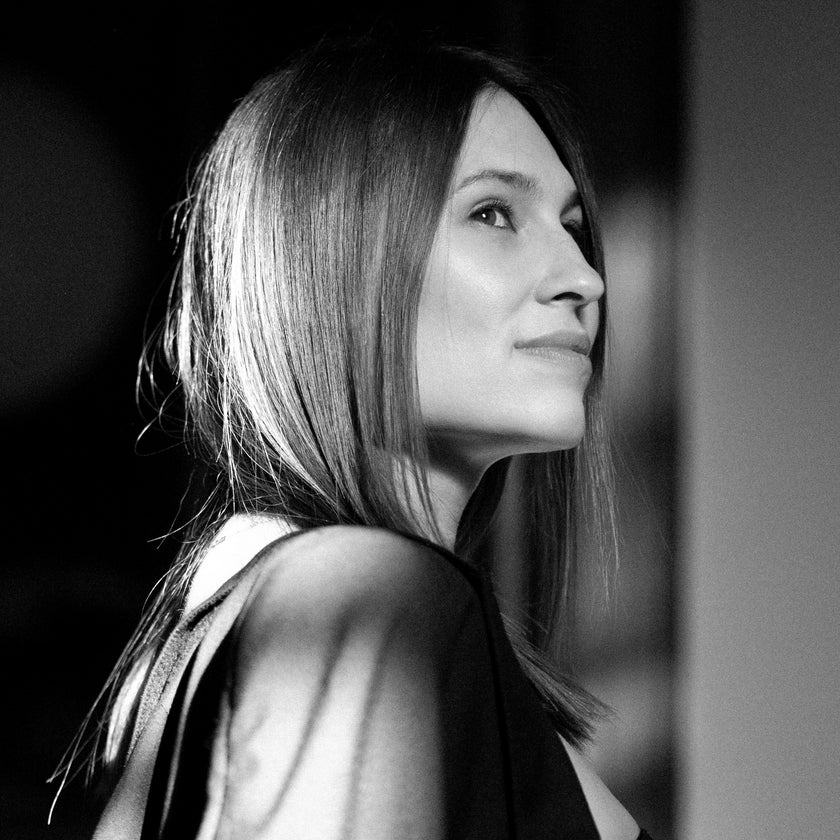
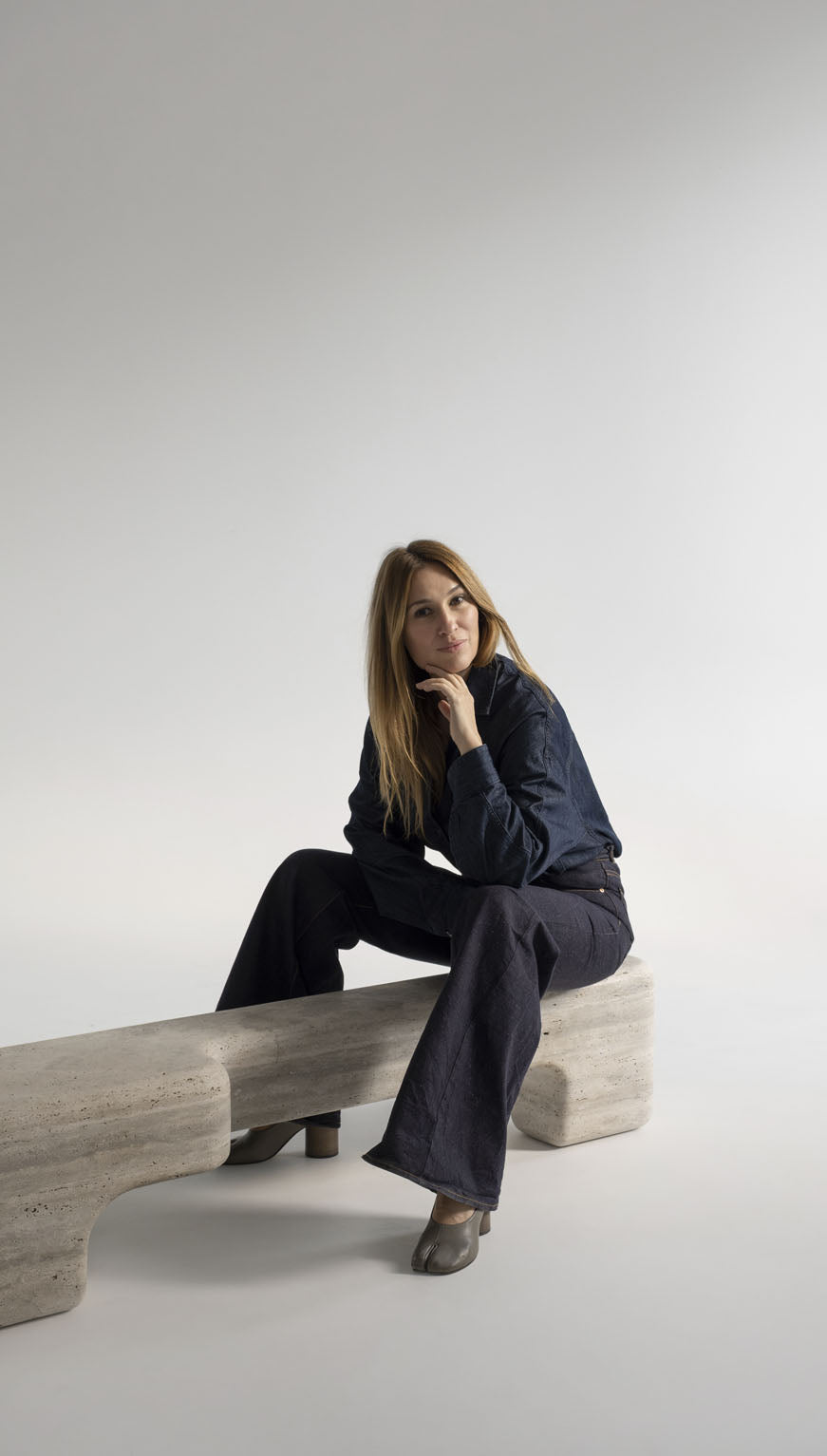
Ksenia Breivo (b. 1978) is a successful Russian designer with an extensive international practice in interior design. After finishing her studies as an architect, she went on to complete a design course from the Details School Studio. Now she works on projects in Moscow, London, Vienna, Tbilisi, Sochi and other cities.
“The whole process is important for me, from the idea to the implementation, and until the moment when everything becomes real, and later transforms as time passes. I am inspired by natural materials: stone, wood, glass, rock crystal, paper, metal, textiles, fireclay, gypsum, beeswax, felt. I love experimenting, combining various substances, as it is such an exciting process. Craft is incredibly important to me. I work with craftsmen all over the world on my items and always look out for like–minded people who appreciate my ideas,” explains the designer.
Her style is unique and is born out of the diversity of artistic moods, inseparable from the spirit of innovation. Breivo is looking for new ways in design, both physical and ideological. “I may invent a special type of environment friendly material in time, and focus on it. Respect for the environment is not just a trend, but a deep need to be part of the planet and live in the beauty created by nature.” In each of her projects, she uses local materials as extensively as possible and applies the principles of sustainable development.
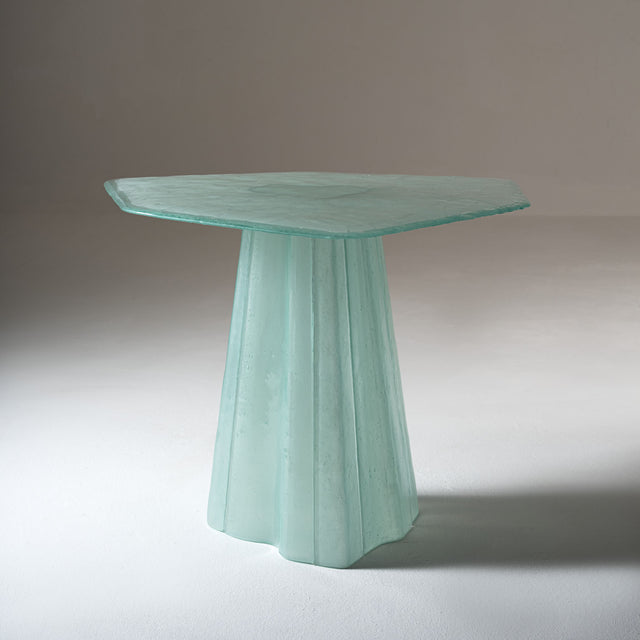
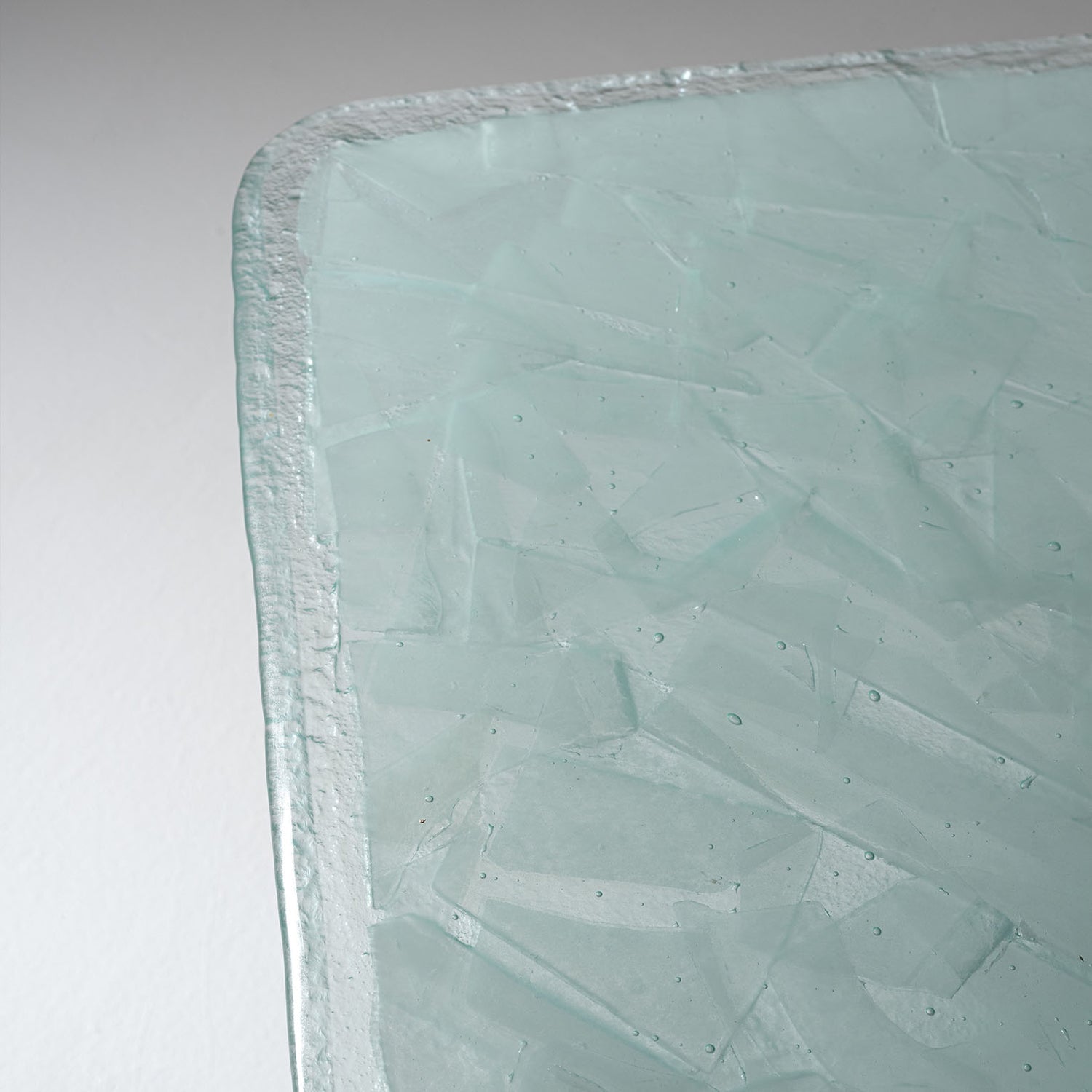
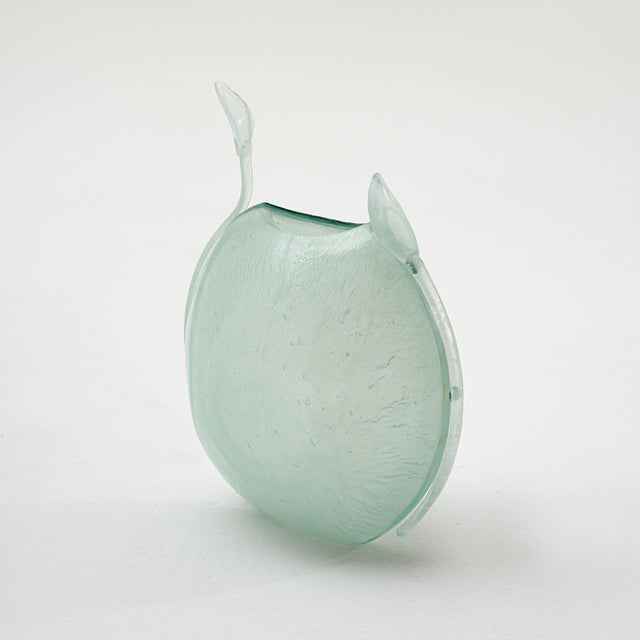
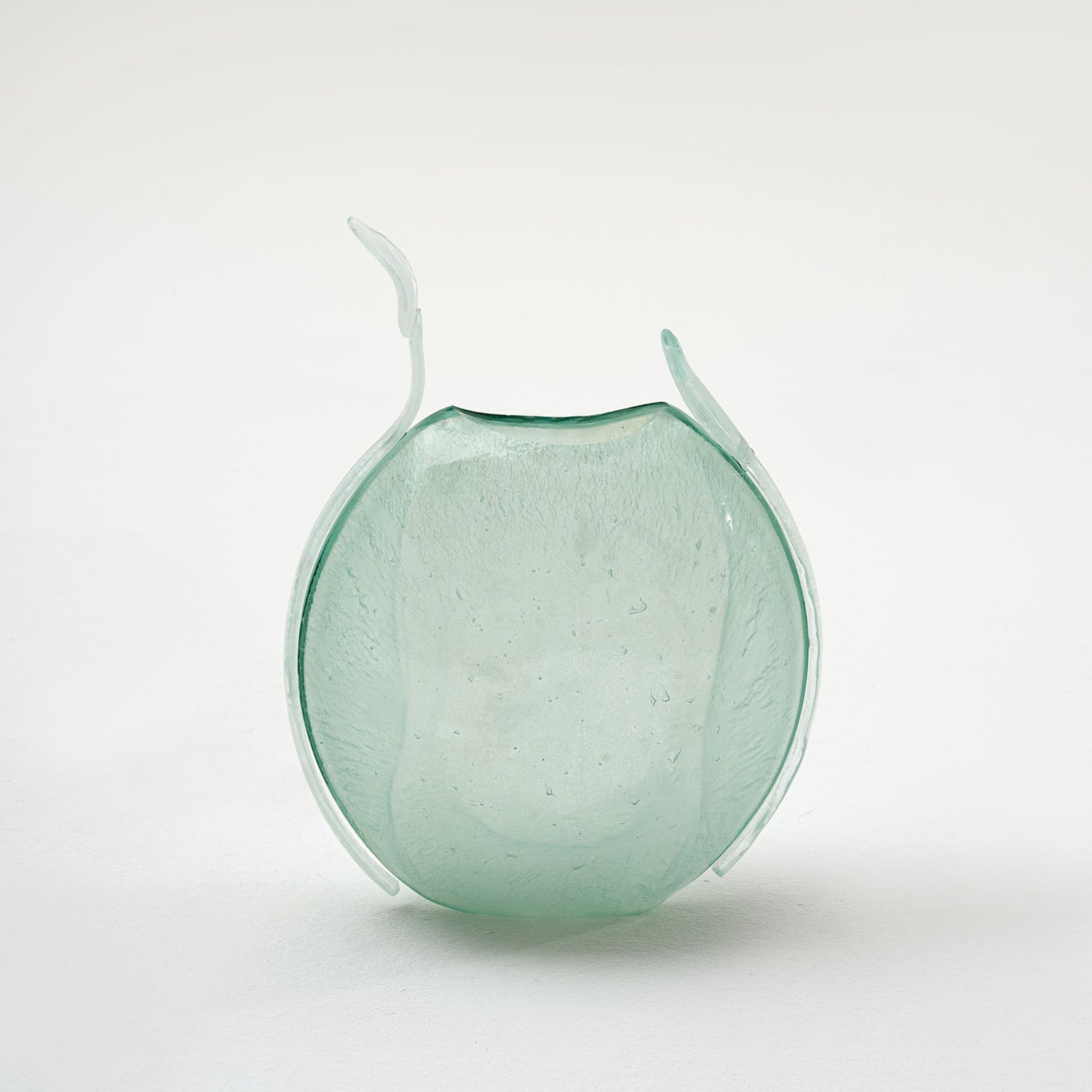
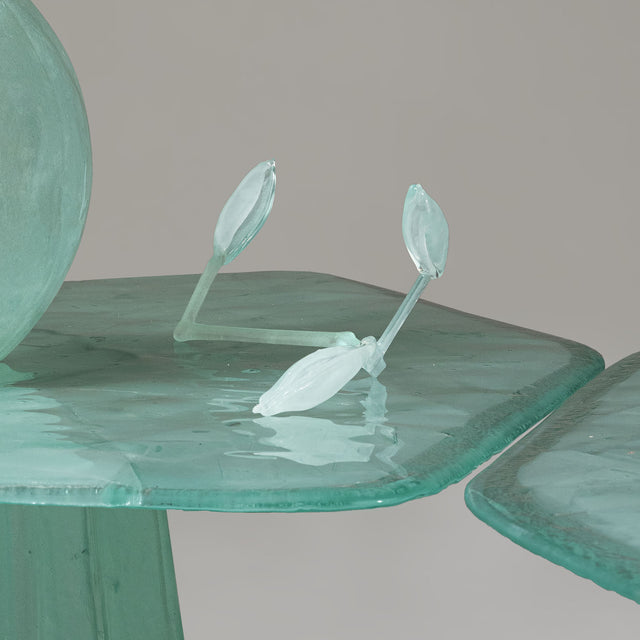
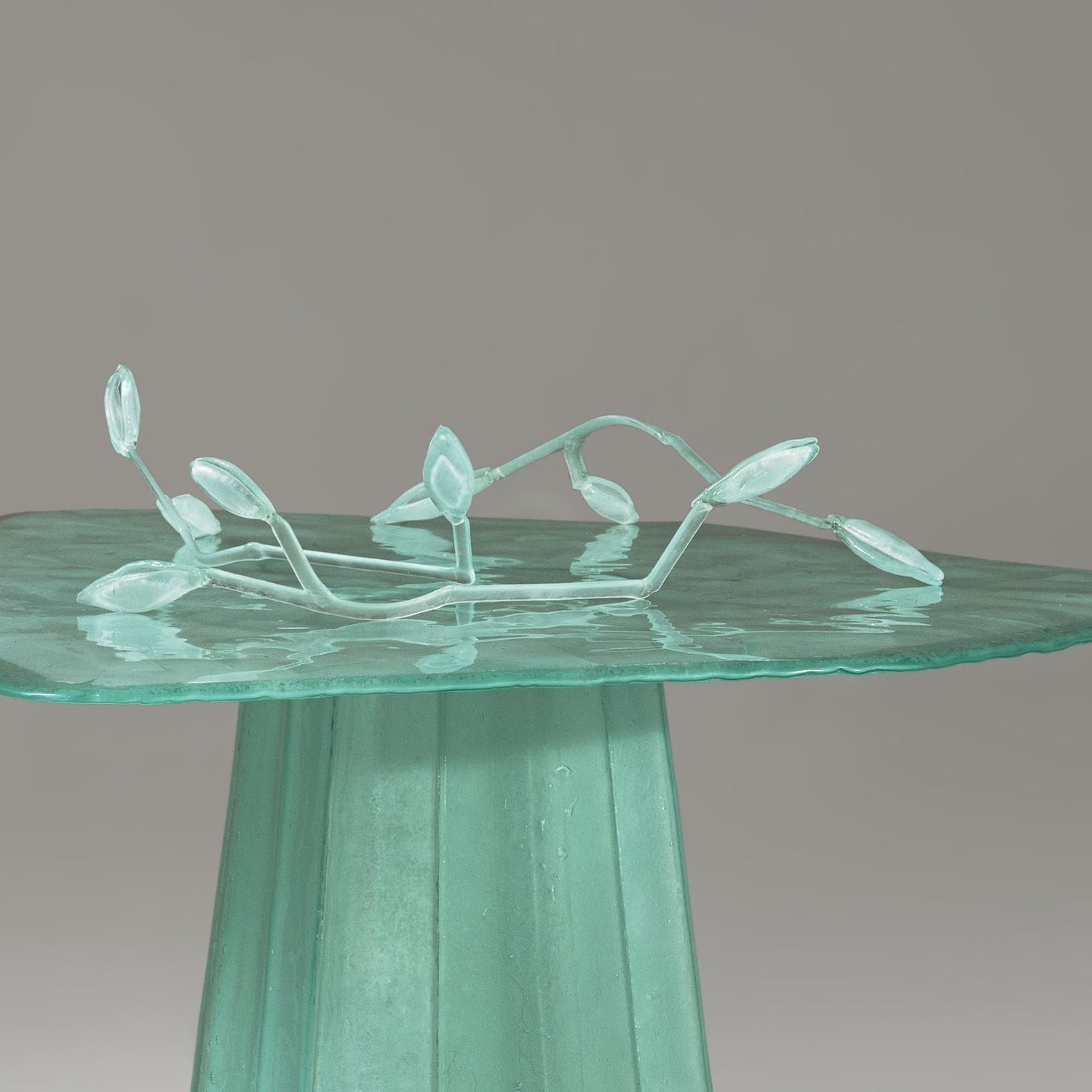
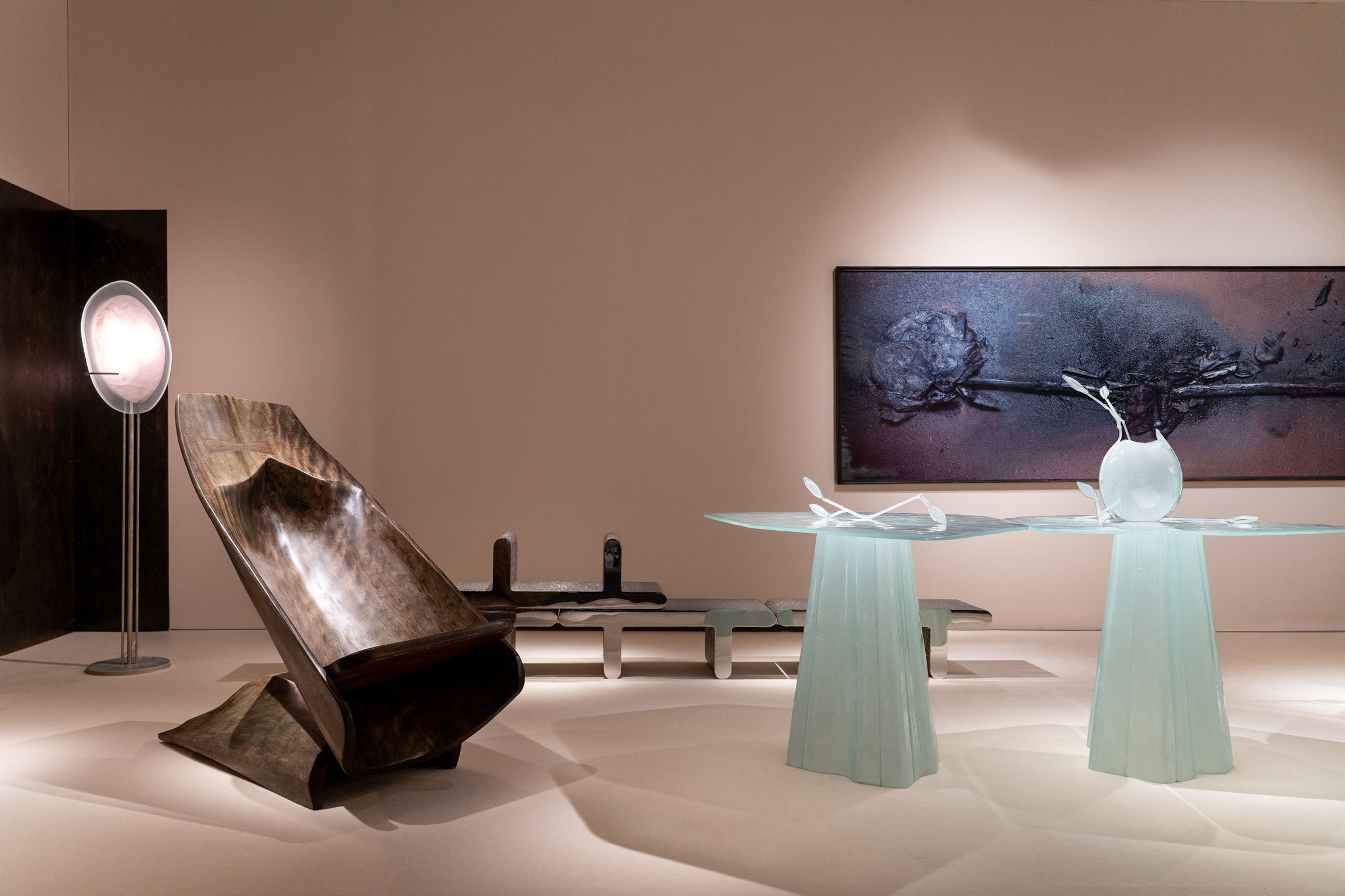
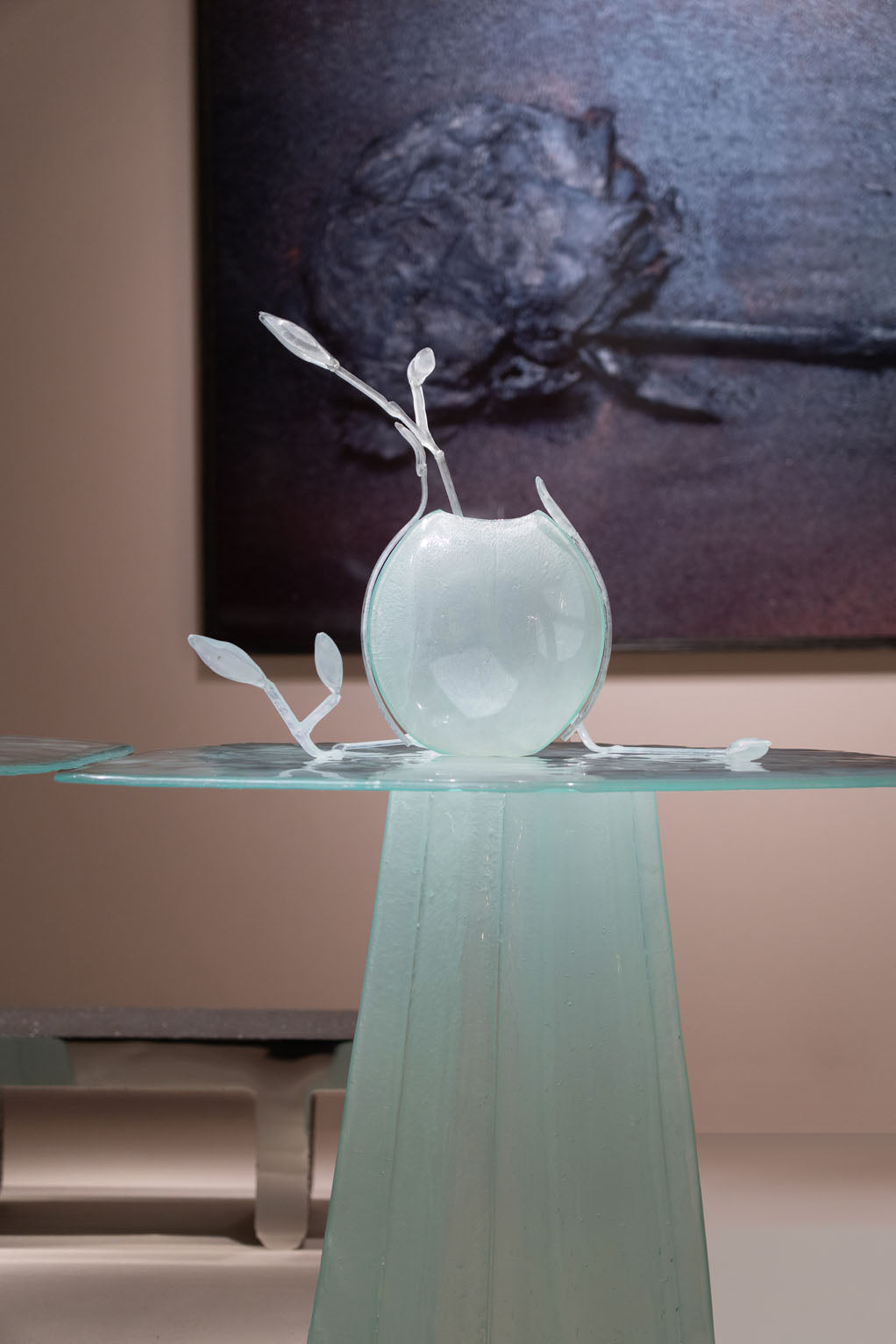
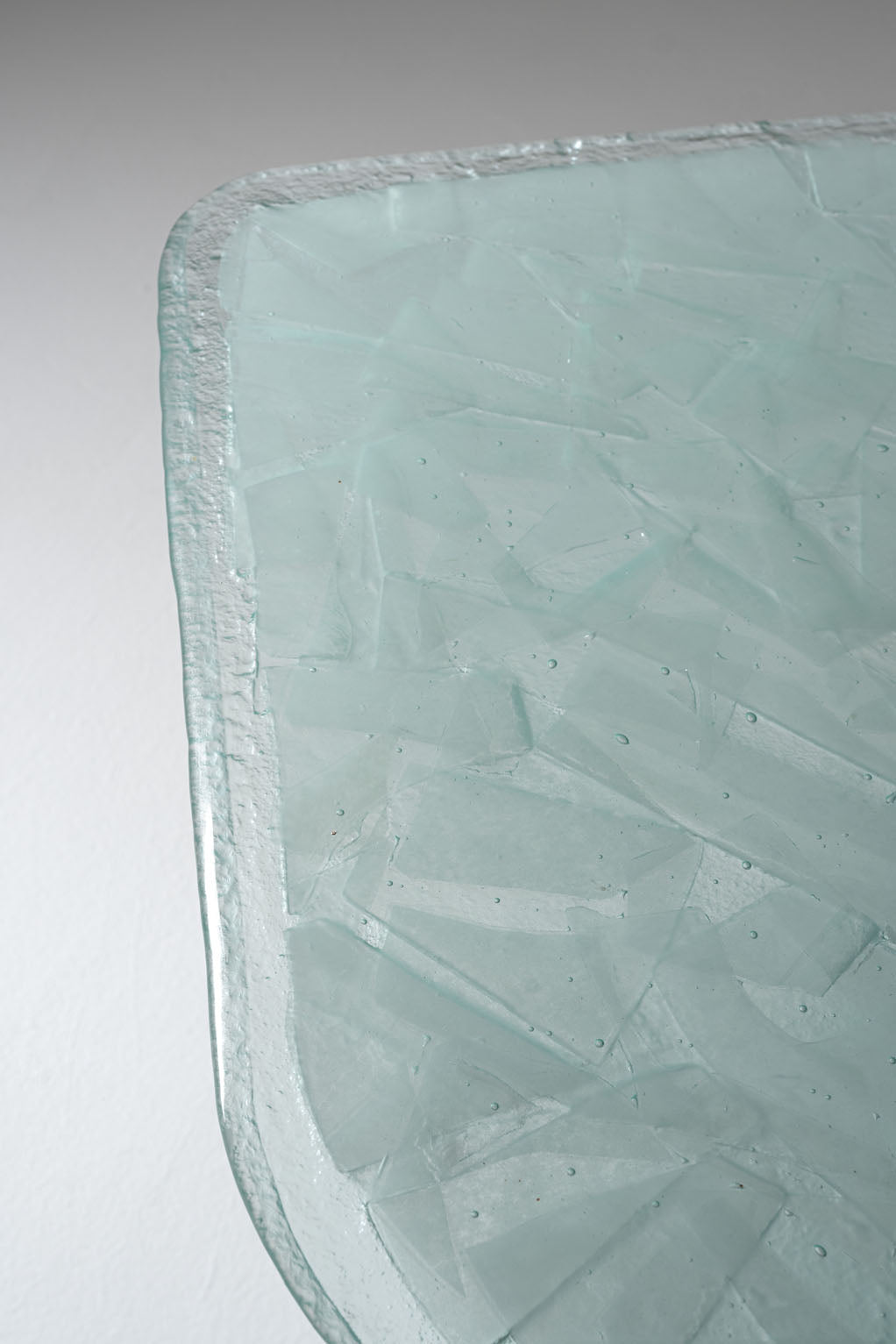
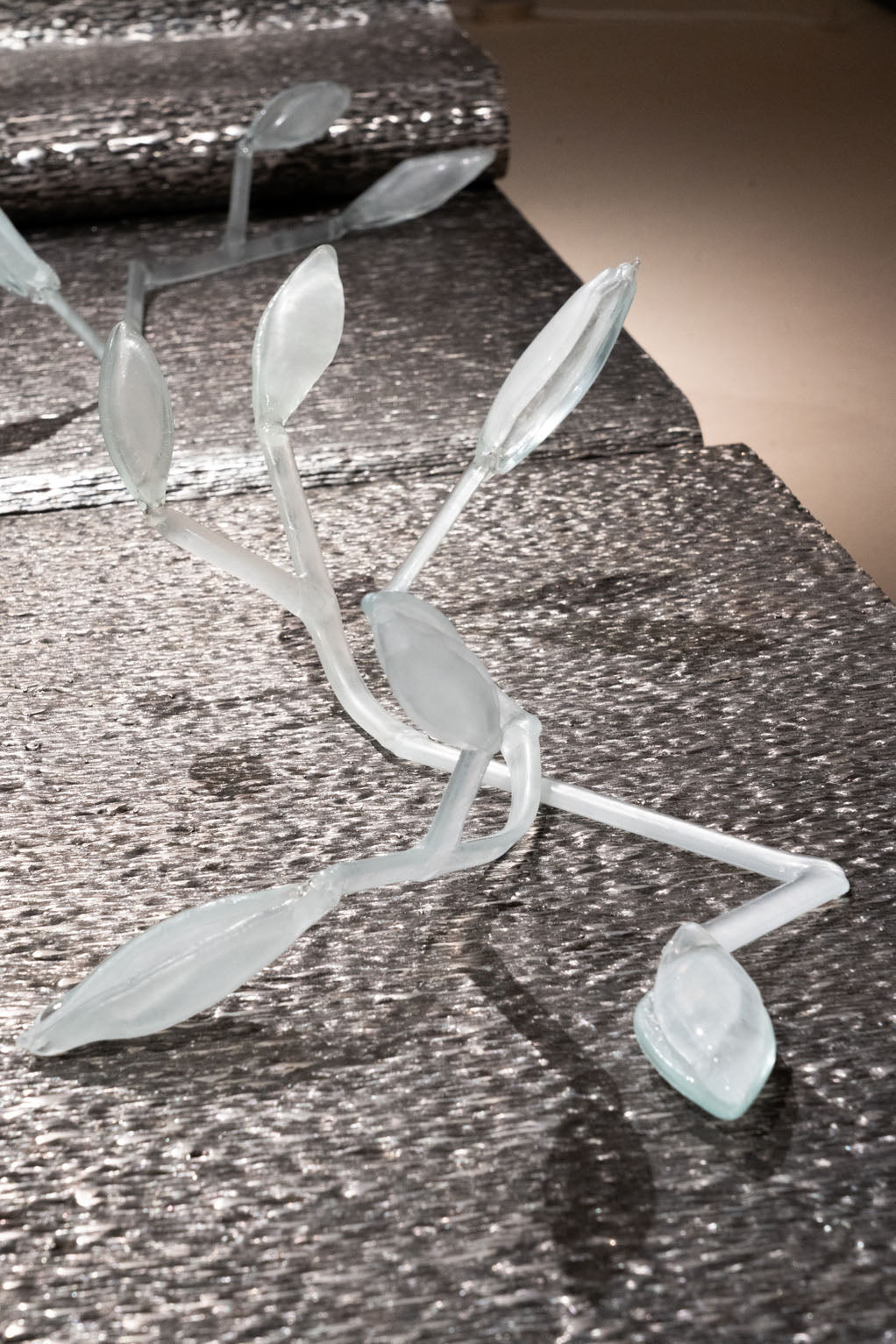
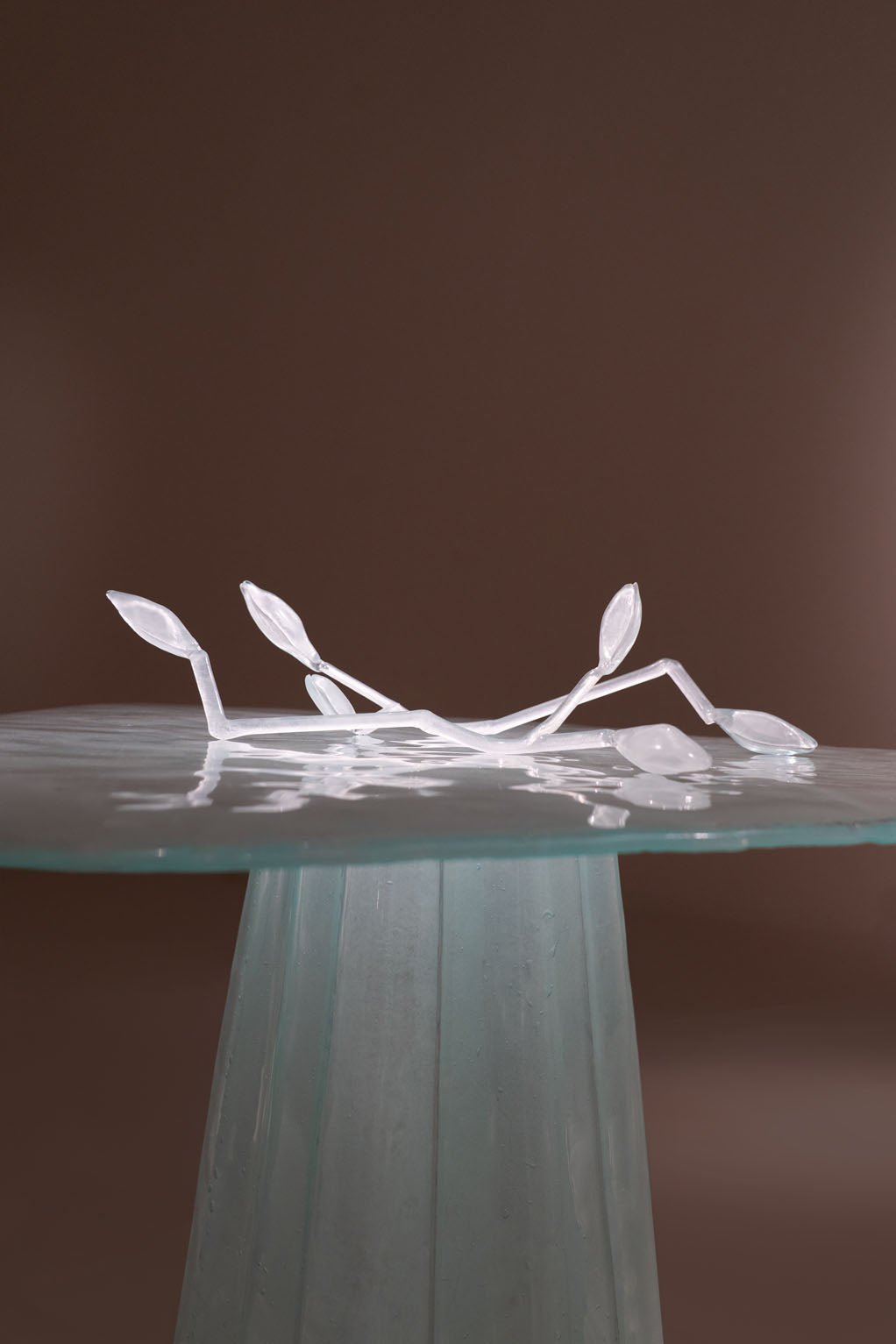
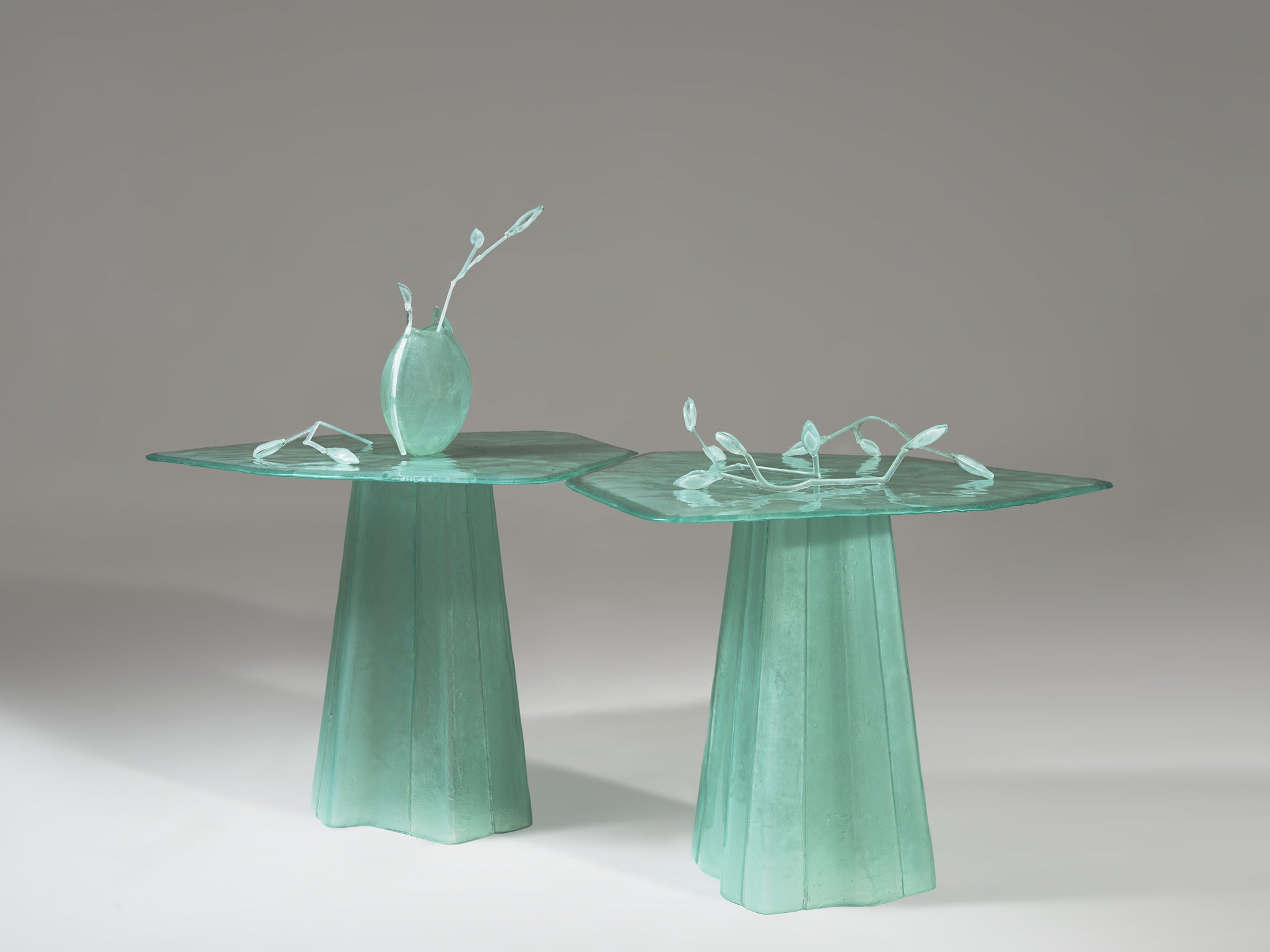
The Bijoux collection was inspired by the eponymous ballet staged in the 1960s by artist and choreographer George Balanchine. The series of glass objects evokes dance choreography through the fragile and delicate materiality of glass. The plasticity and lightness of the medium allows to capture the beauty of the movement, while a special kiln‑forming technique is chosen to achieve the precise shade.
"The first series of objects was conceived as an homage to the ballet’s opening act — Emeralds, which became an embodiment of France in the 1930s, reflecting the elegance and sophistication of French style," Ksenia explains.
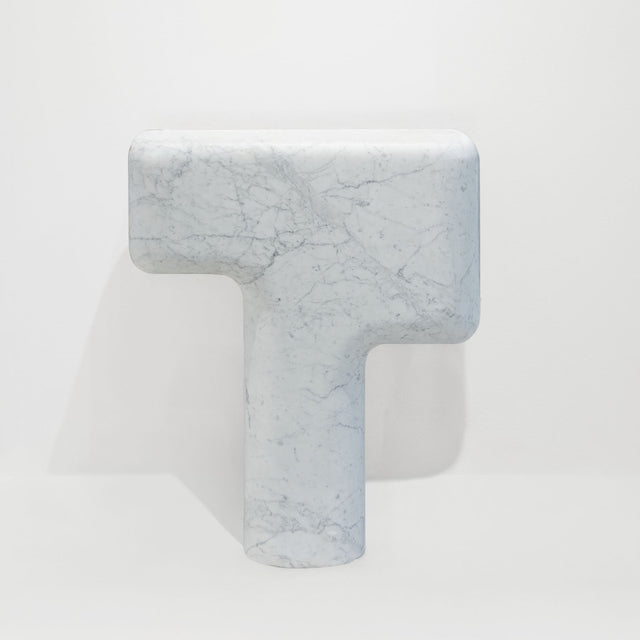
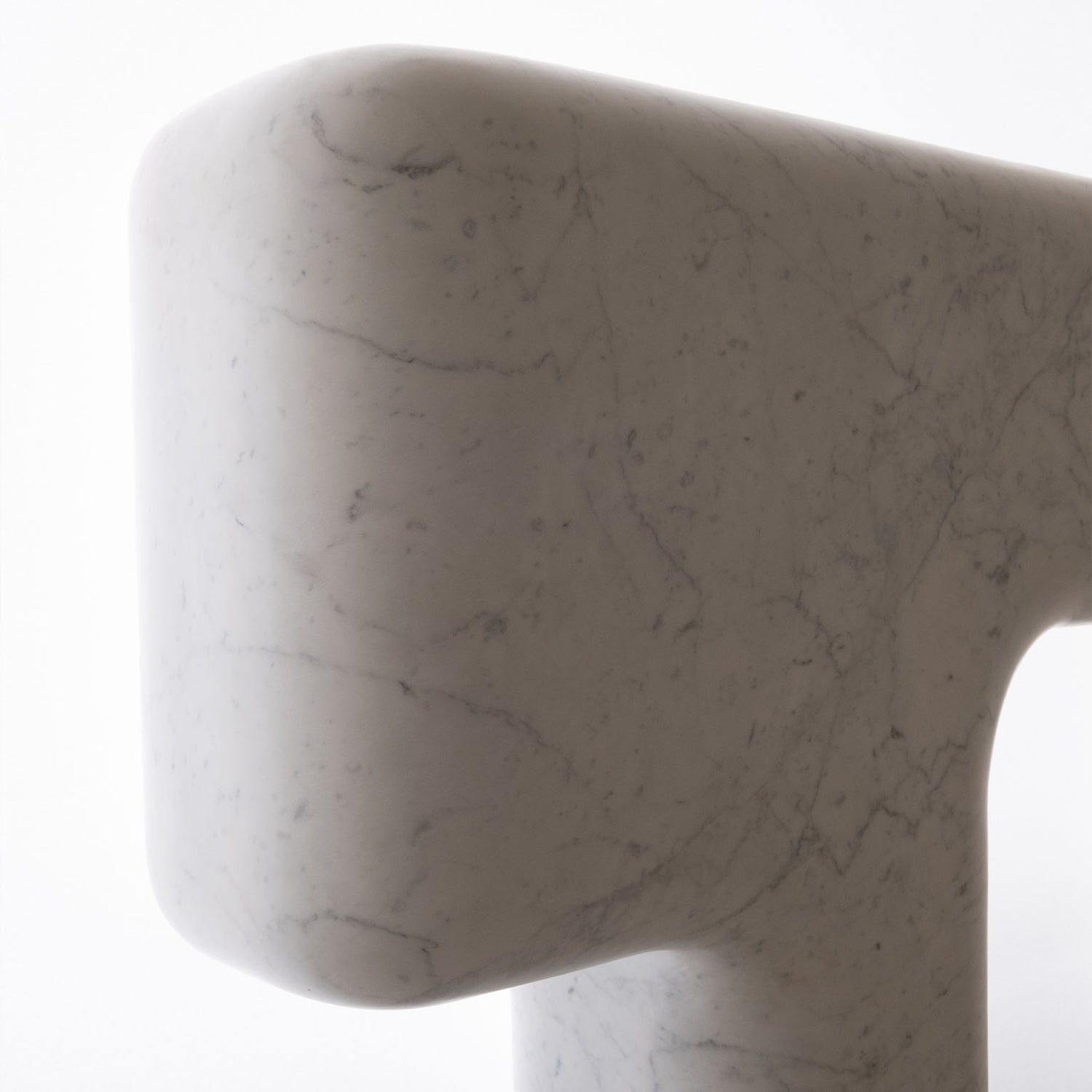
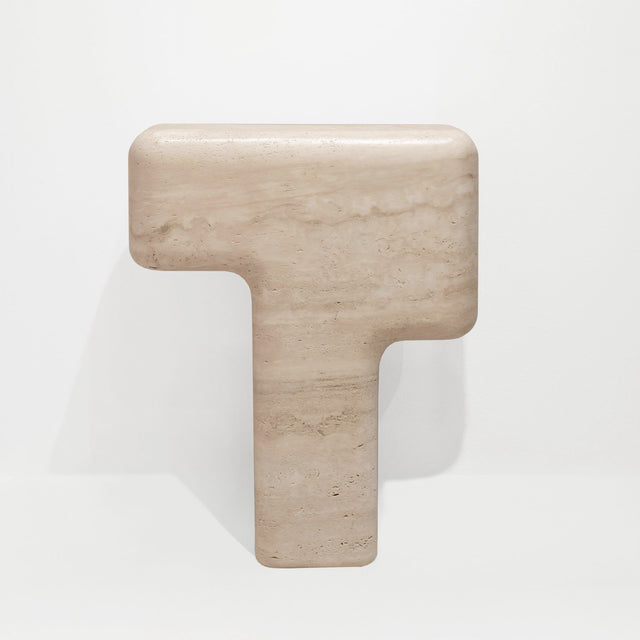
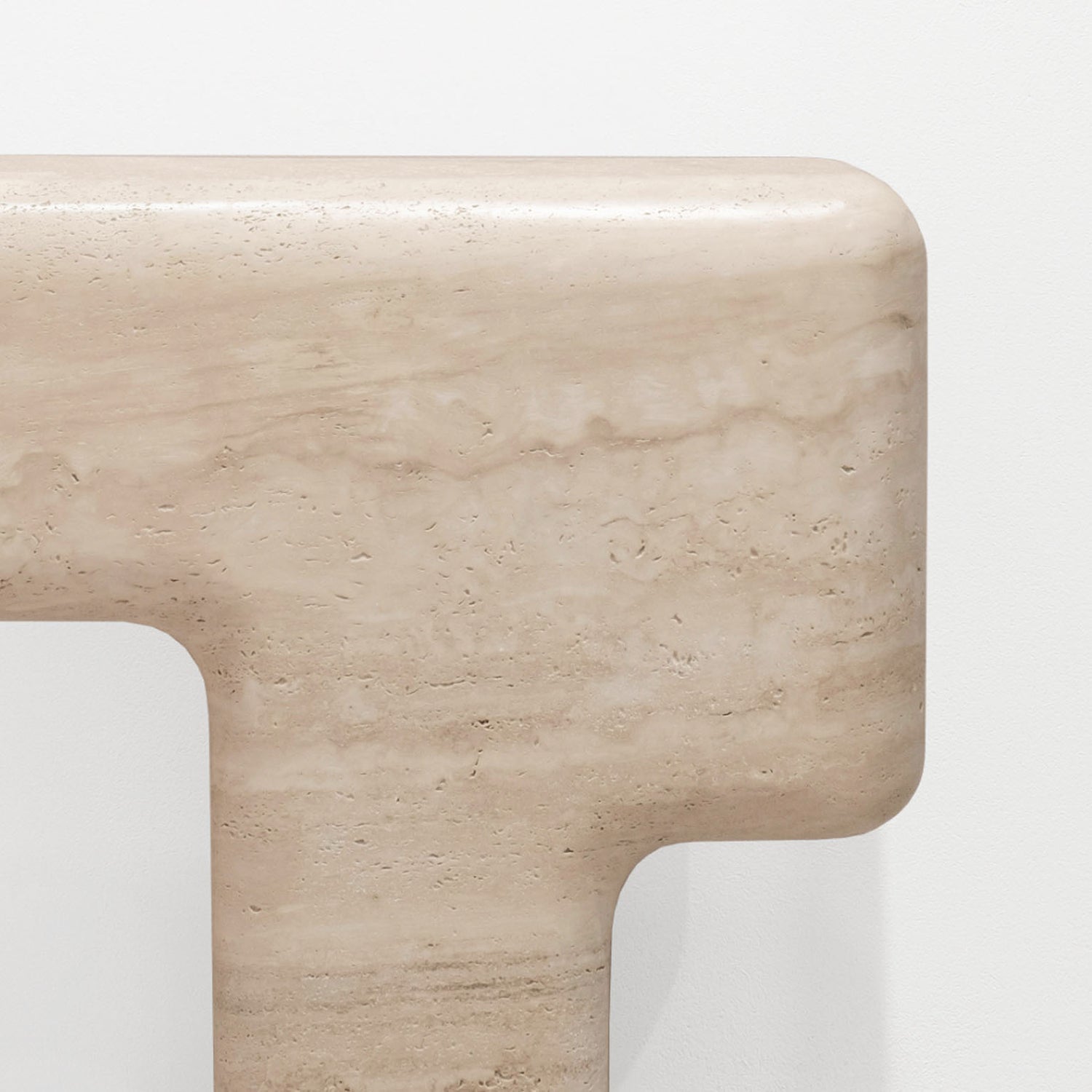
The metaphorical "Solome" sculptural objects, combining geometric and organic forms, are handcrafted from marble: a material used for centuries is revealed in a new light. Ksenia Breivo, expressing the results of her personal research, creates an image of natural beauty and femininity. The artist strives to convey a combination of tenderness and inner strength, flexibility and steadfastness. According to Breivo, such combinations most.
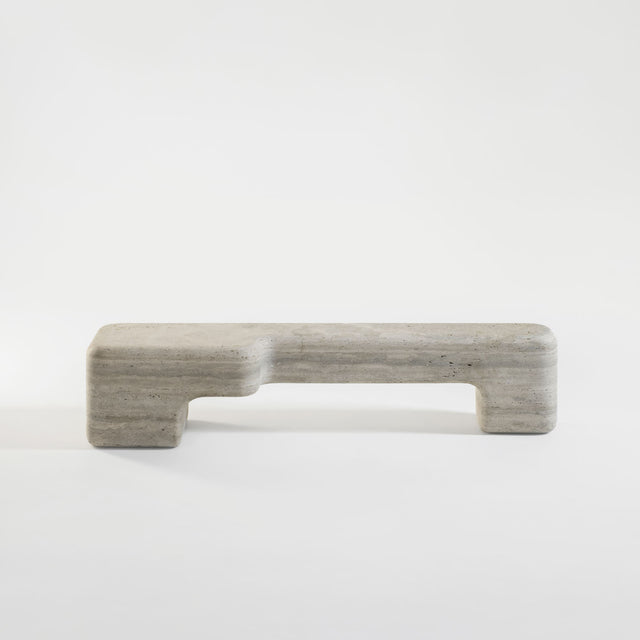
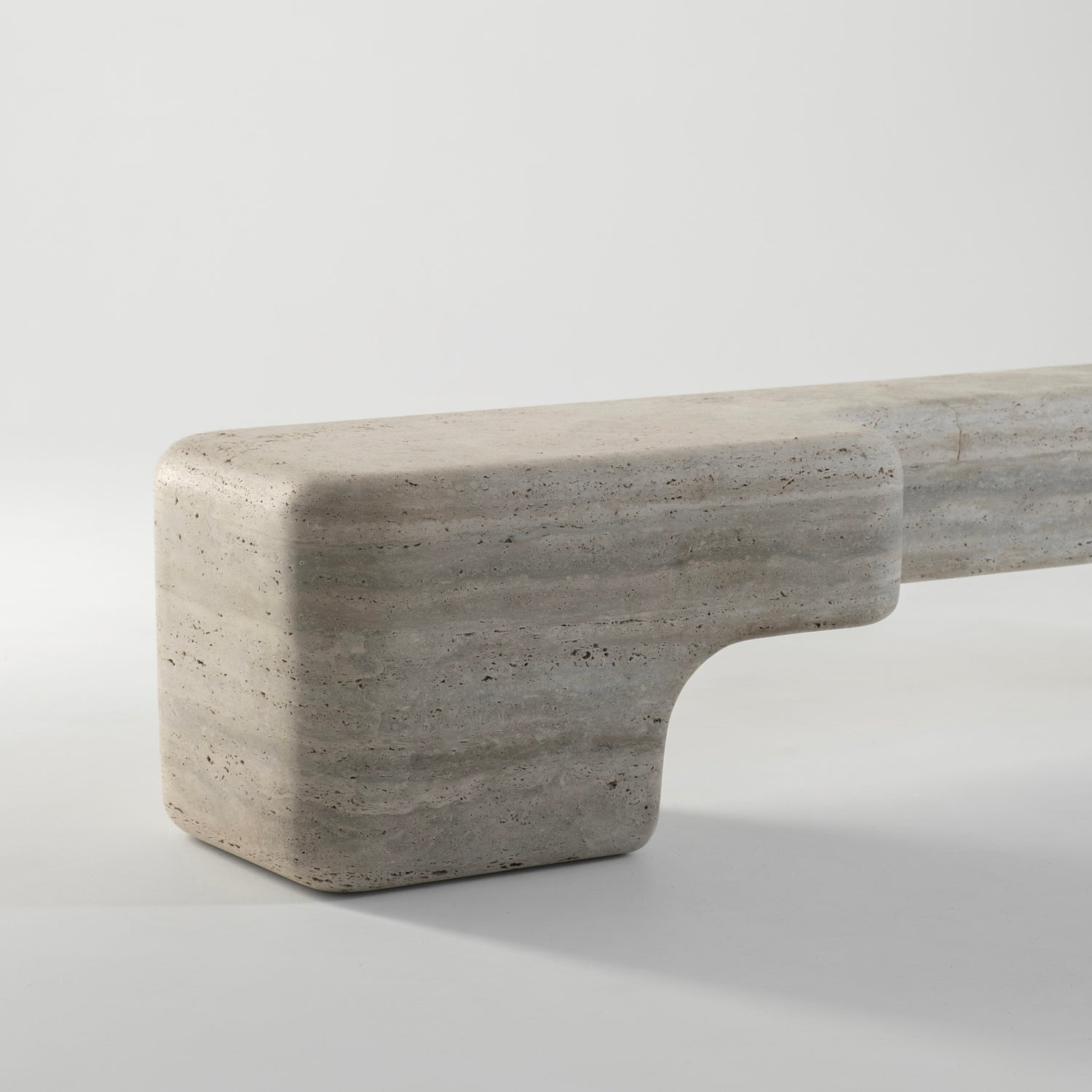
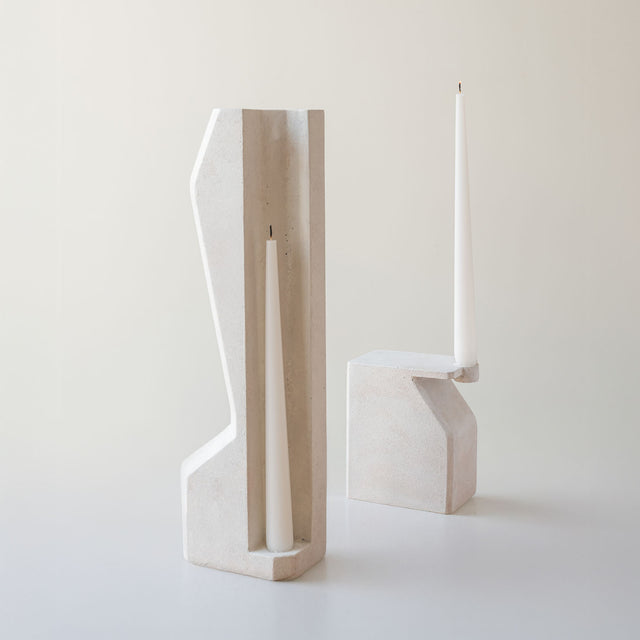
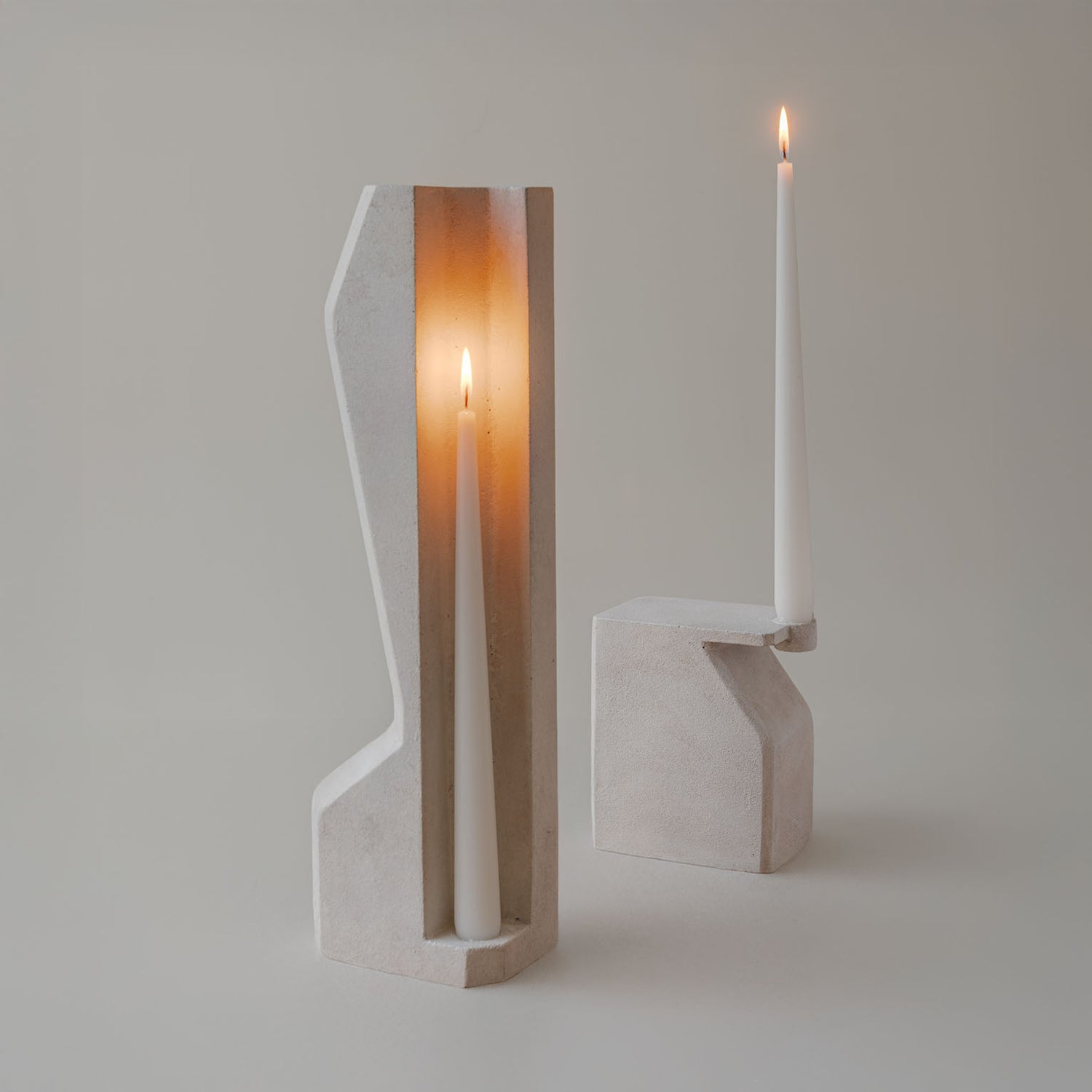
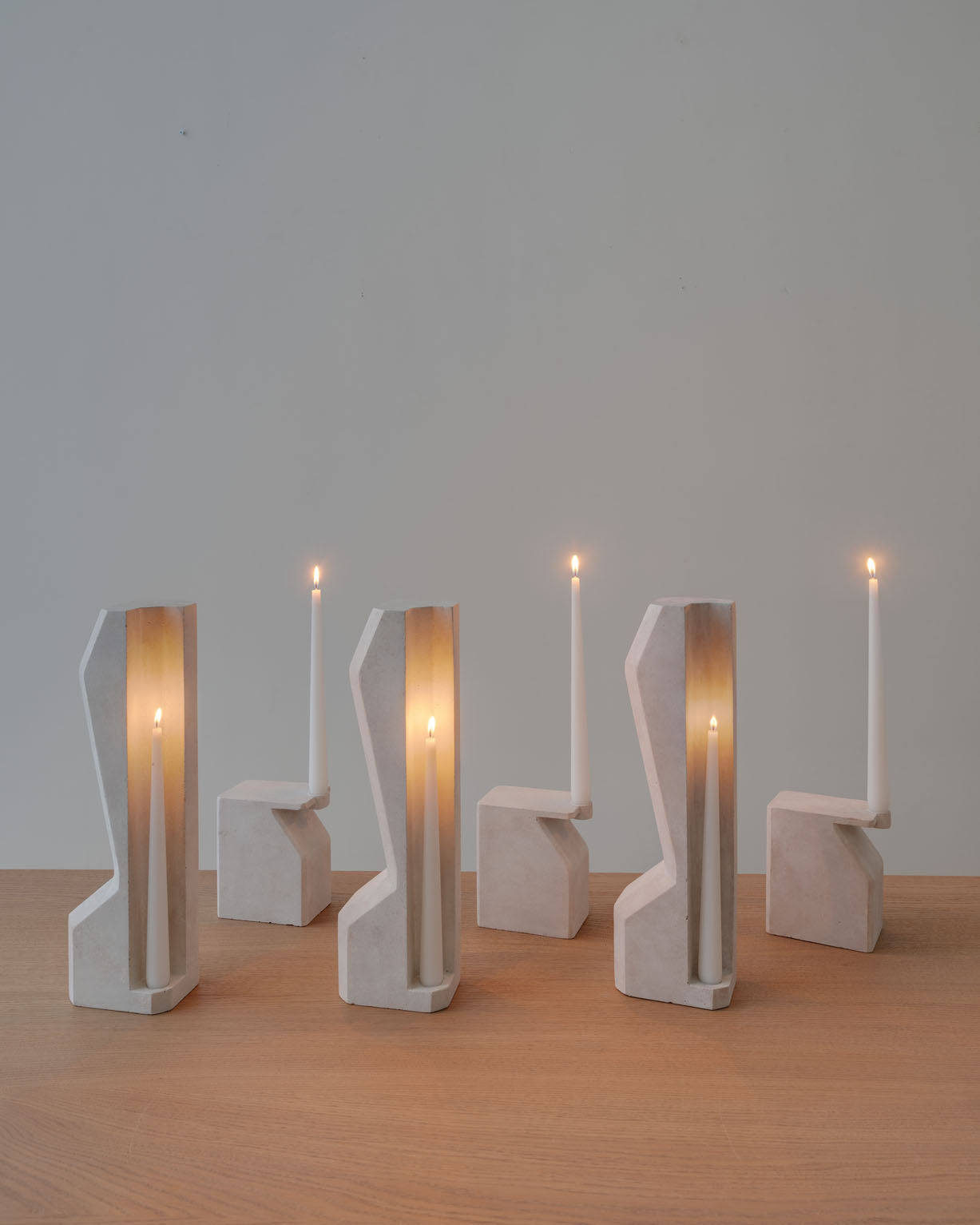
The "Solaris" series combines architecture, light and shadow.
The candle highlights the changing contours, volume and depth of this object.
The designer explains the concept:
"The fire enclosed in a massive form symbolizes the light within us, purity and warmth.
The light in this candlestick operates according to the same principles as in large-scale architecture — this is emphasized by the choice of concrete, a common modern material.
It is capable of taking desired forms and interacting with other substances, serving both a structural and decorative purpose.
In the creation of "Solaris," I employed techniques similar to sculpture — after the concrete had gained mass and cooled, I processed it using a special technique, removing excessively rough textures and giving the lines a softer feel."
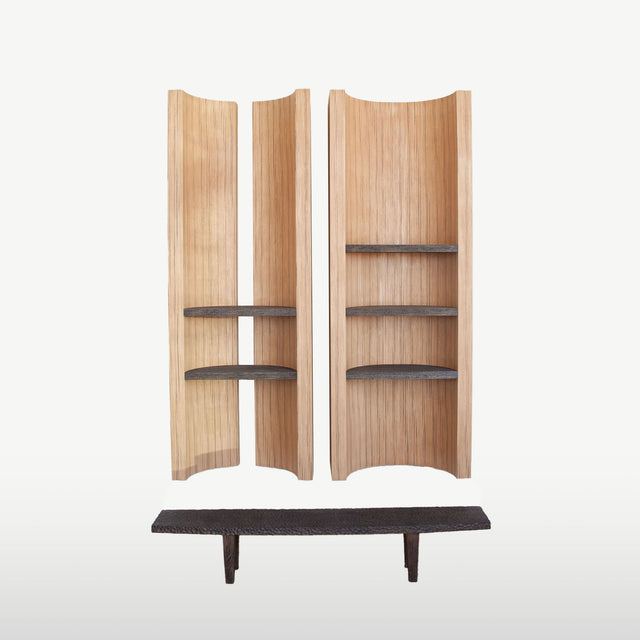
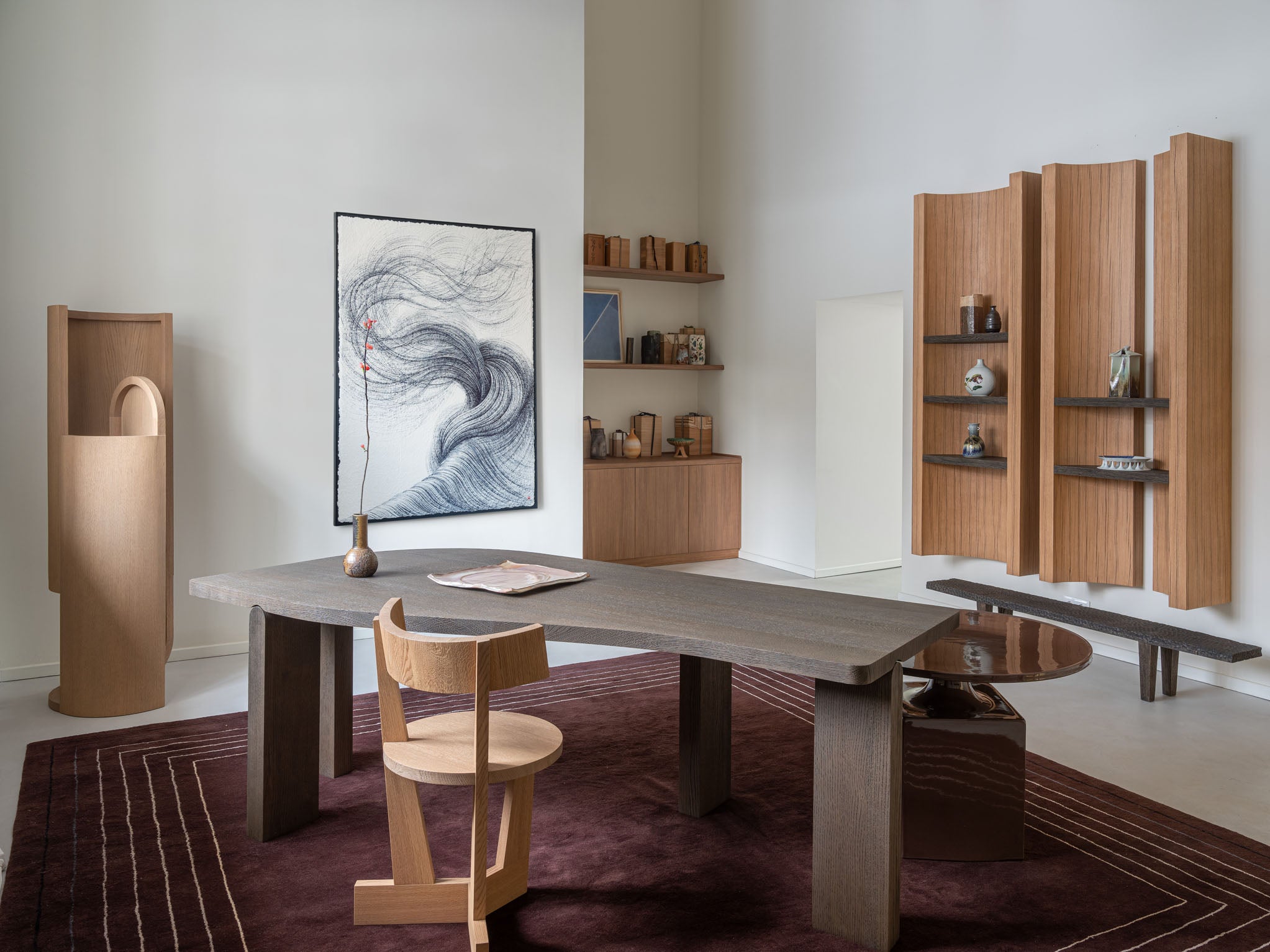
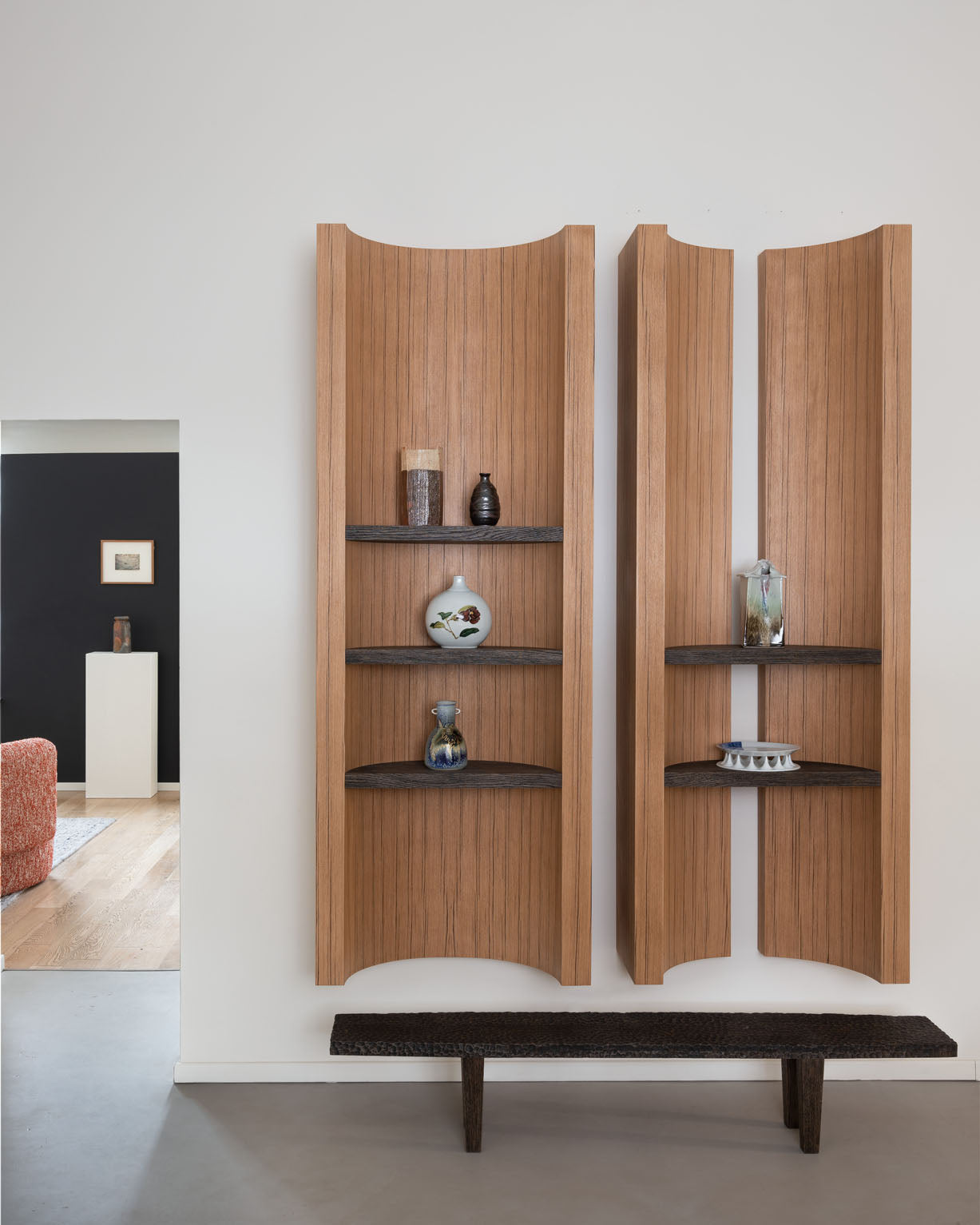
For Booroom Gallery in 2021, the designer created a Vake concept library shelving unit in two sections, complemented by a bench (limited edition of 8).
The name is chosen after the Vake neighborhood in Tbilisi, a favorite place for the city’s creative intelligentsia.
Tbilisi courtyards, full of life, served as an inspiration.
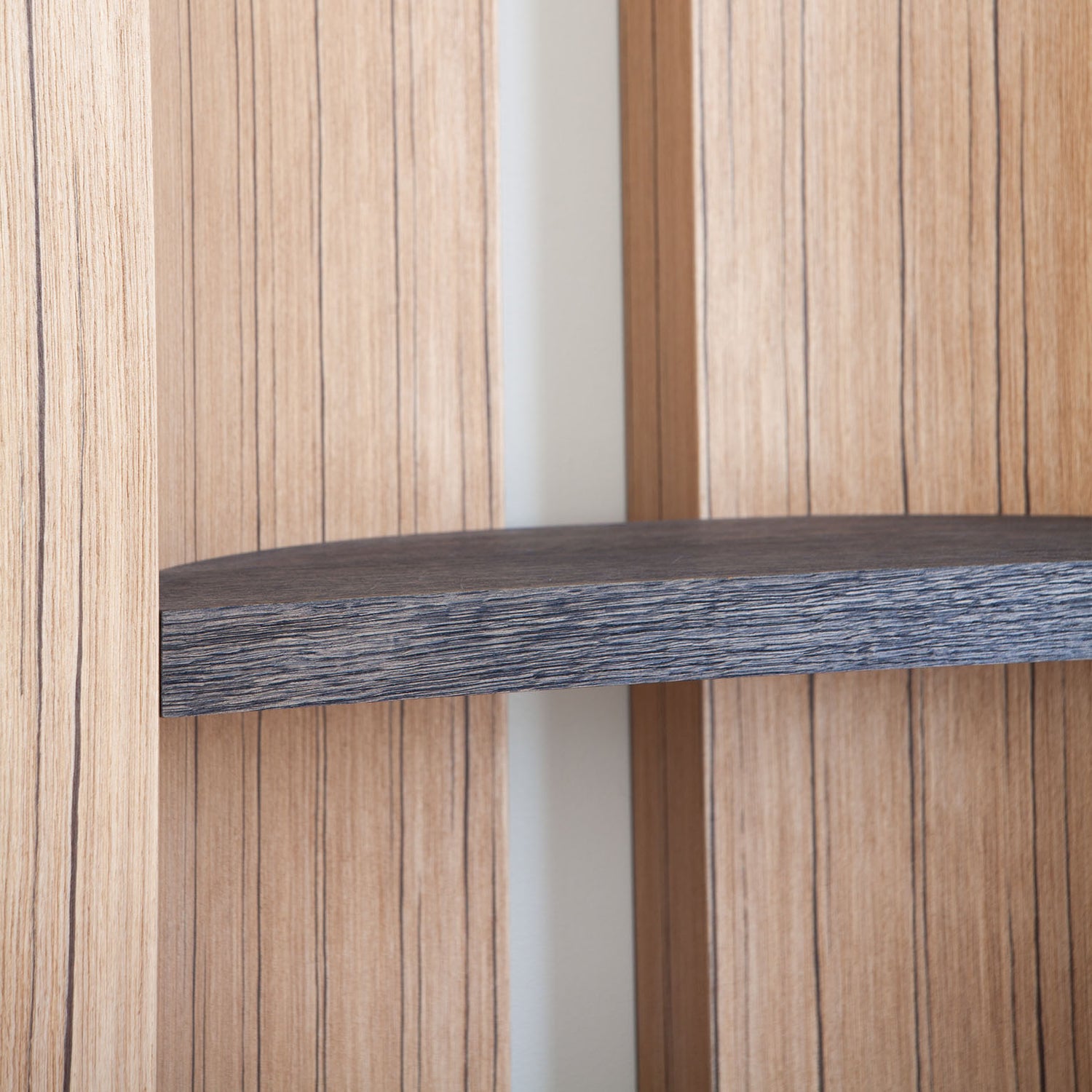
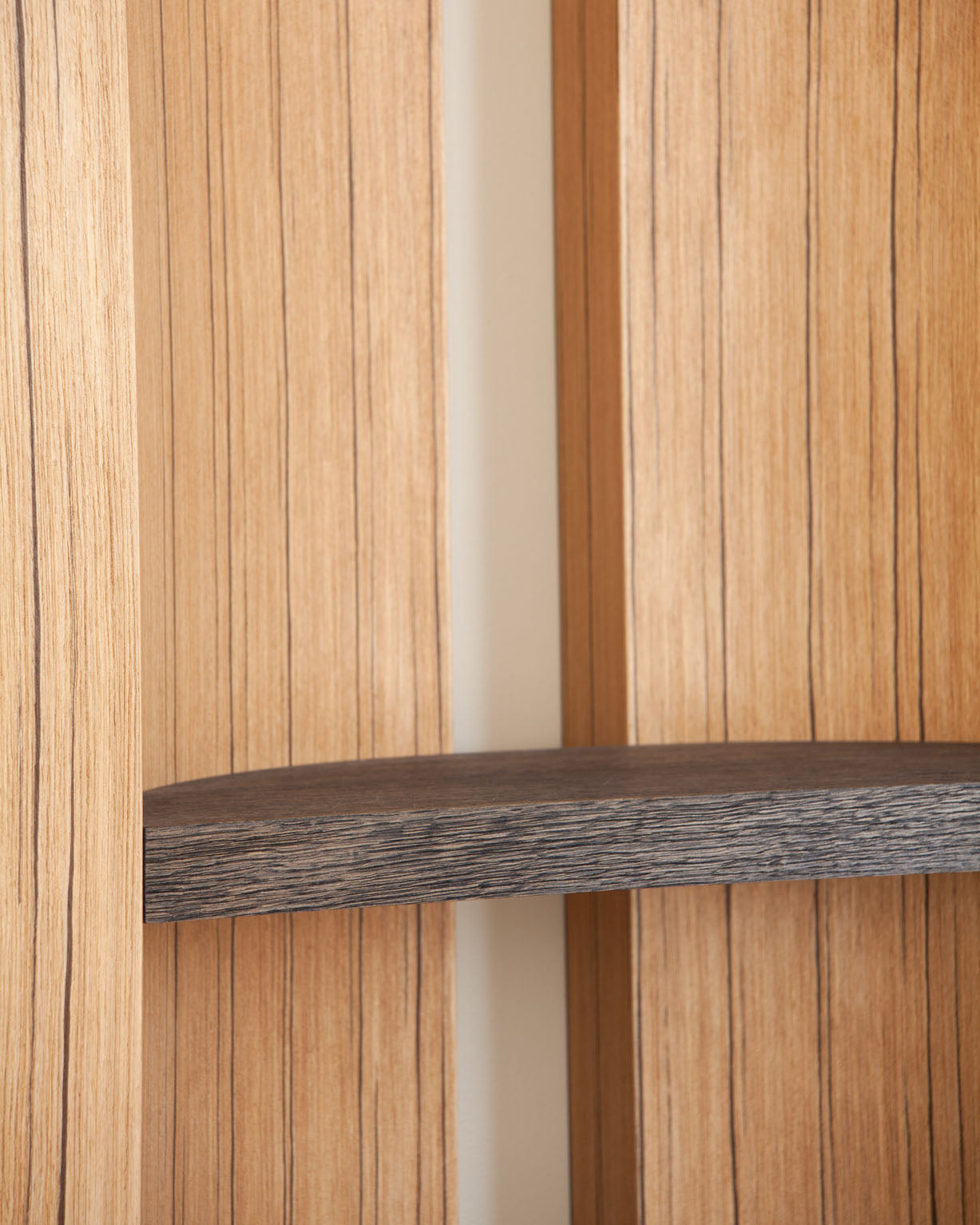
The material was solid oak and zebrano veneer.
The veneer was cut into fragments and reassembled in a specific way.
The finished product was brushed and waxed.
“It’s simple, but this is the power of truly elegant pieces: to make ordinary materials more elegant, interesting, to give them a new look,”
says Ksenia.
The shelves are made in the designer’s favorite aesthetics of rounded, clear geometry, allowing them to fit perfectly into different interiors.
The sections, if arranged in rows, look convincing and monumental, structuring the space and setting its scale and rhythm.
The visual language of the pieces from the Muse collection is shaped by a pursuit of sculptural solidity: the furniture has no visible legs and seems to emerge directly from the floor, creating a sense of stability and groundedness.
A distinctive feature of the design is its soft, fluid lines, complete absence of sharp angles and the exaggerated volume of the armrests and backrests. The upholstery is made from a soft, pile fabric in a complex nuanced shade. The material emphasises the warmth and tactile quality of the pieces, allowing light to glide gently over the curves of the forms and creating a rich interplay of light and shadow.
The starting point for the collection was the work of one of the great pioneers of modernist sculpture, Constantin Brâncuși.
The name Muse is a direct reference to one of the sculptor’s best-known works, The Sleeping Muse (1910). Just as Brâncuși polished bronze and marble to achieve the ideal, simplified oval of the face, the designer stripped the Muse collection of all unnecessary details — decoration, hardware and straight lines — to achieve a pure, primordial silhouette. The development process involved a long exploration of proportions, allowing the pieces to retain their ergonomics and comfort without losing their artistic expressiveness.
The philosophy of the collection is built around the concept of ‘furniture as sculpture’. At the heart of Muse is a return to the essence of form, freeing the interior from visual noise.
Constantin Brâncuși said: “Simplicity is not an end in art, but we usually arrive at simplicity as we approach the true sense of things”. This idea became the leitmotif of the collection. Its smooth, tranquil forms are intended to create an atmosphere of absolute calm, slowing down and contemplation. This furniture does more than fulfil a utilitarian function: it becomes an autonomous art object that harmonises the space around it and invites a tactile and visual dialogue.


The Felt collection is an exploration of pure sculptural form using the pliable, delicate medium. At the heart of the series lies a reimagining of felt — a traditional material that has been undeservedly overlooked in contemporary lighting design.
Felt is remarkably responsive in the artist’s hands; its unique, natural malleability allows for a departure from rigid geometric constraints. Each object appears as a soft yet confident sculpture, frozen in a moment of time.
Light is completely transformed as it passes through the dense wool fibers. The felt filters the rays, creating a deep, subdued, hypnotic radiance. The light does more than just illuminate the space; it reveals the material’s intricate texture.
The clean silhouettes are free of superfluous ornamentation. The aesthetic relies on the interplay of light and shadow, fluid curves and the natural warmth of a material that invites the touch


