Rui Matos
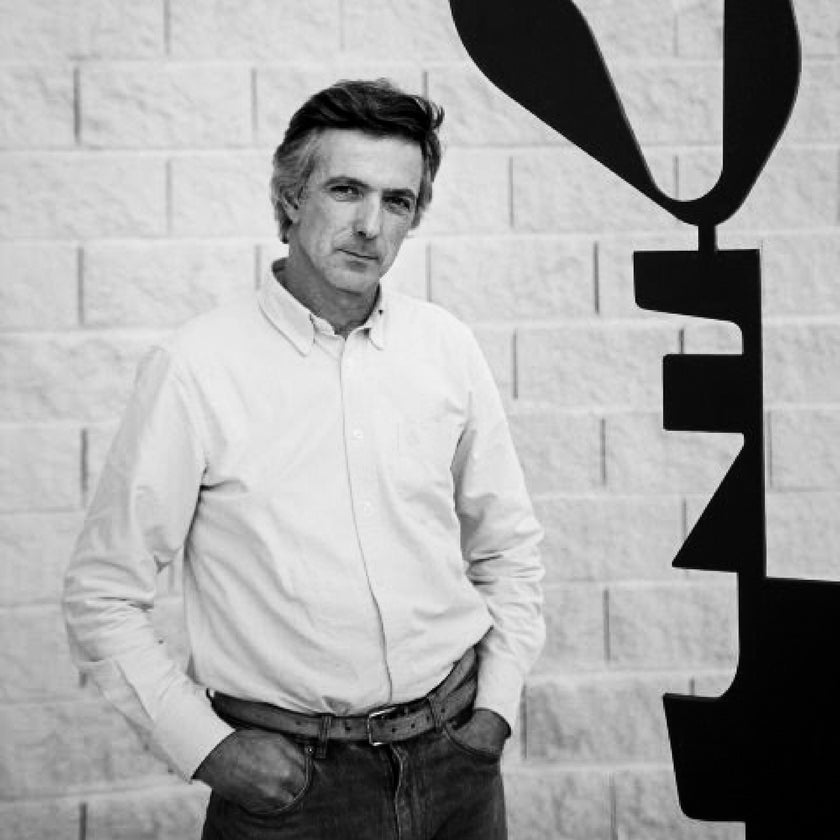
Rui Matos was born in 1959. From 1980 to 1987 he studied sculpture in Lisbon, where he soon became the best and the most promising student. It was evident as early as the beginning of 1990s that Matos was a new revelation in art.
Nowadays his works can be found in prestigious museums and collections in Portugal and across Europe. In 2022 his solo exhibition Path – The Reconstruction of Memory was organized in Tavira; the same year, Rui Matos’ retrospective The Sequences of Days was held at the National Society of Fine Arts in Lisbon which showed 34 works, corresponding to the 34 years of his artistic practice.
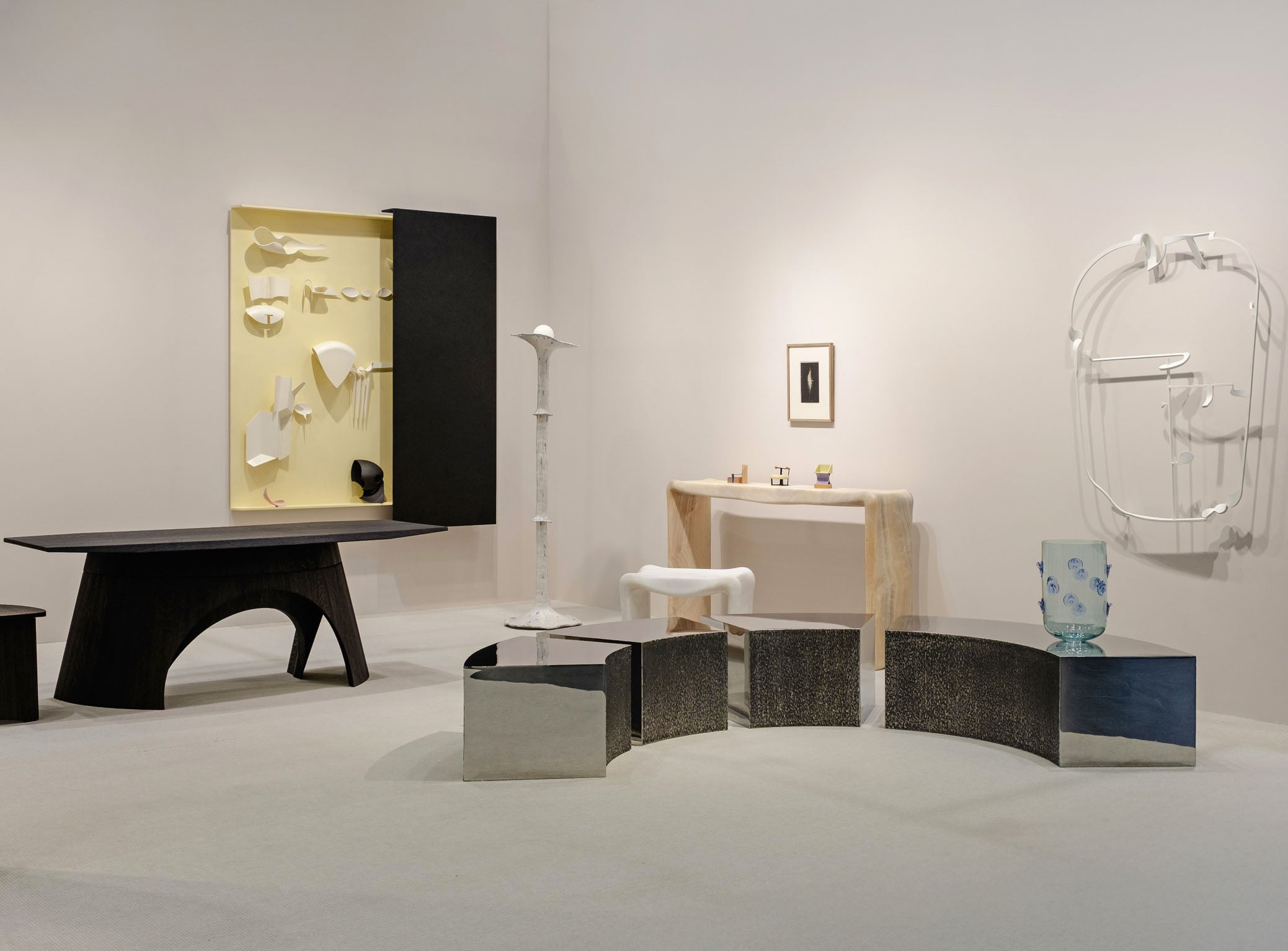
2024 is marked by two significant projects in the artist ’s career. In June, the Places exhibition was held at Universidade Nova de Lisboa. The title reflected his ongoing exploration of the concepts of path and place. In September, an exhibition titled Visible-Invisible took place at an experimental gallery in Lisbon. The name of the exhibition highlights the relationship between the precisely defined, clearly visible forms of each sculpture and the multiplicity of perspectives that different viewers bring to them.
A sculptor both works with perceptible reality and creates his own at the same time. Rui Matos states: “Each sculpture is the creation of a new being, the memories of which returned to me as a result of the transformation of memory.” Thus, through the prism of these transformations we contemplate the artist ’s imaginary worlds and his “archetypal” memory of the distant past.
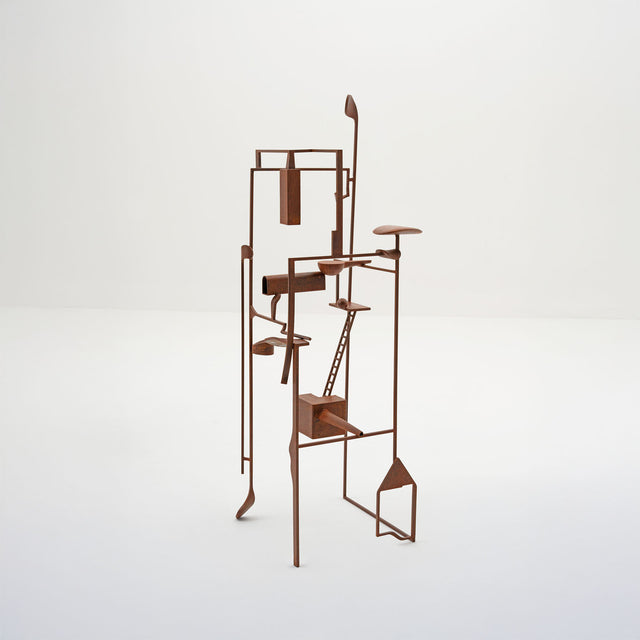
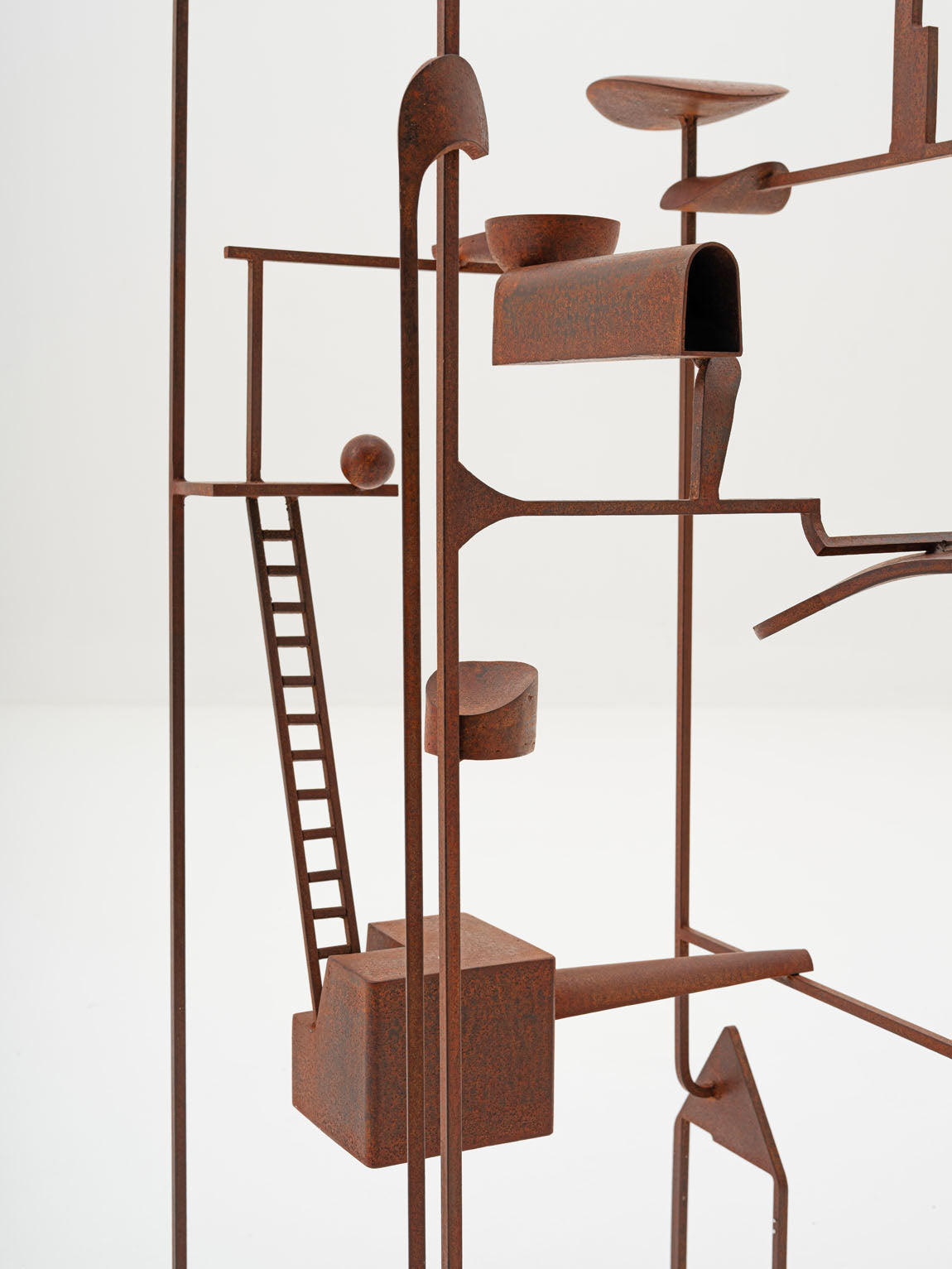
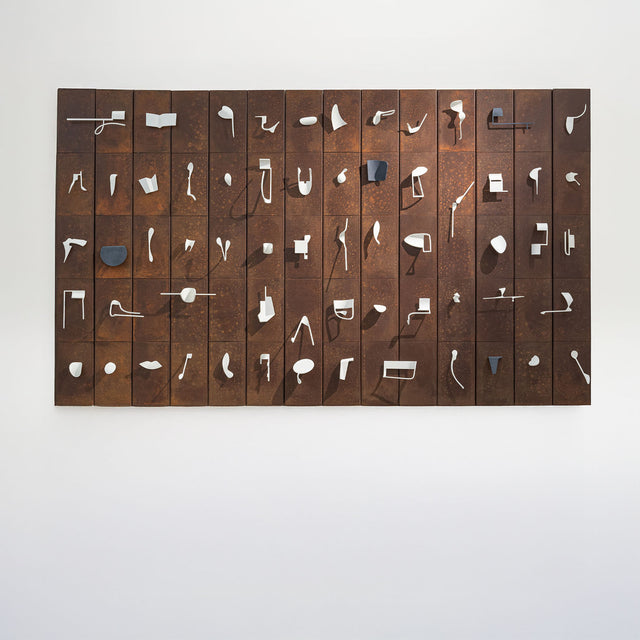
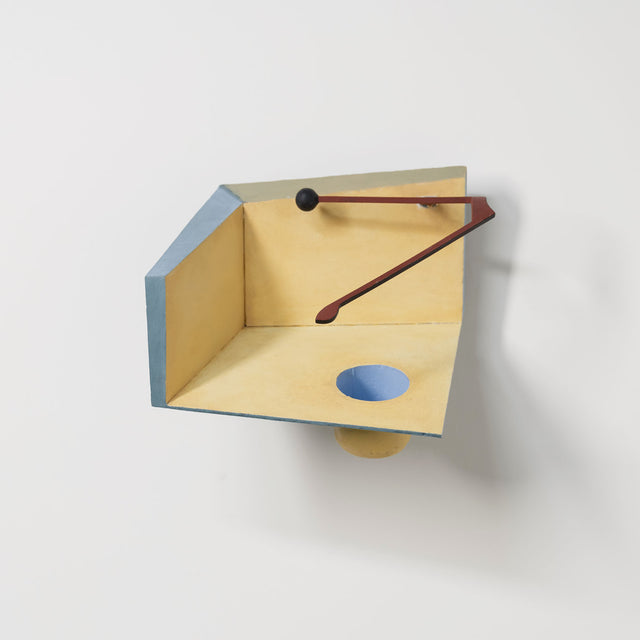
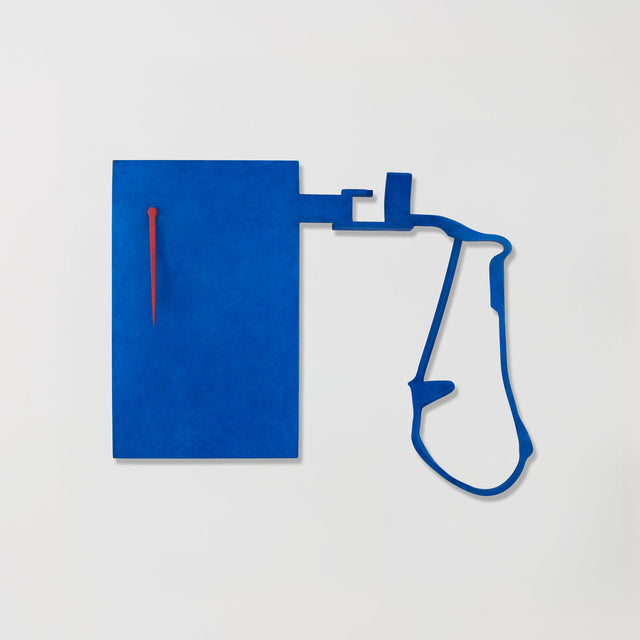
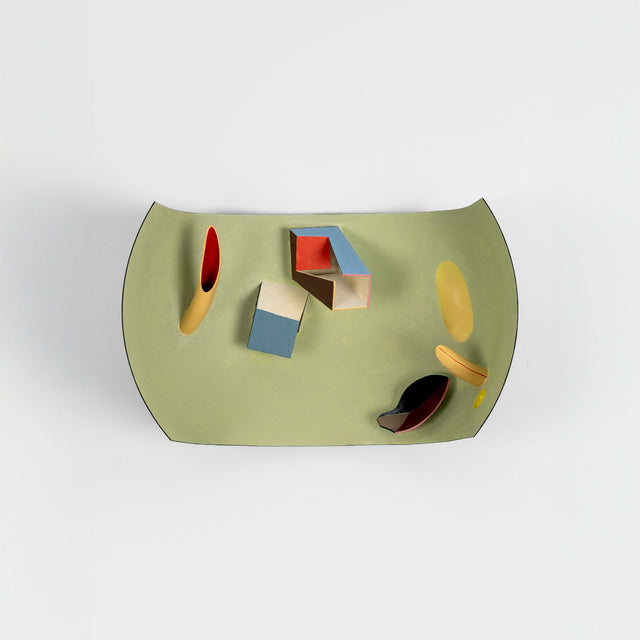
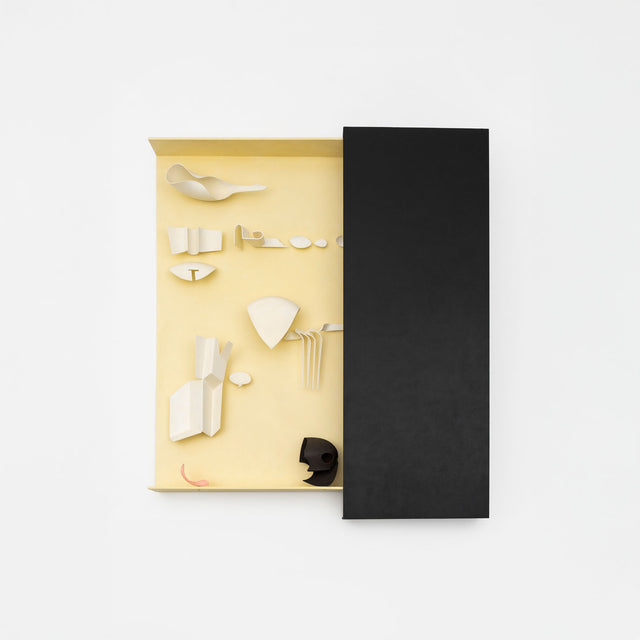
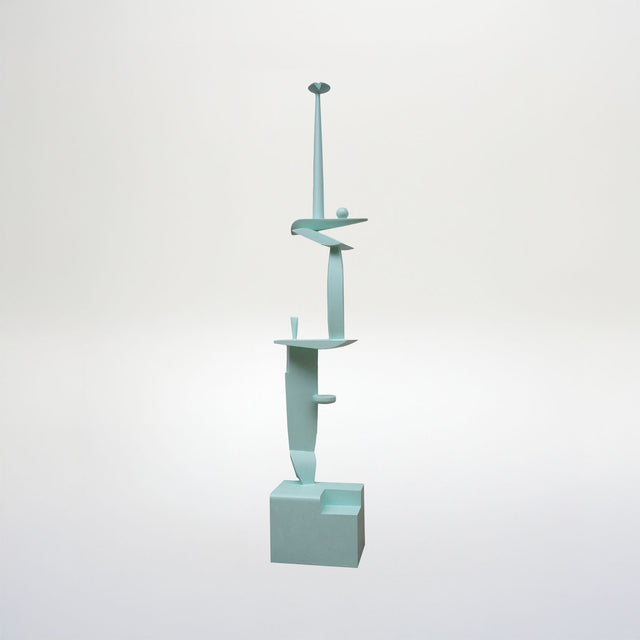
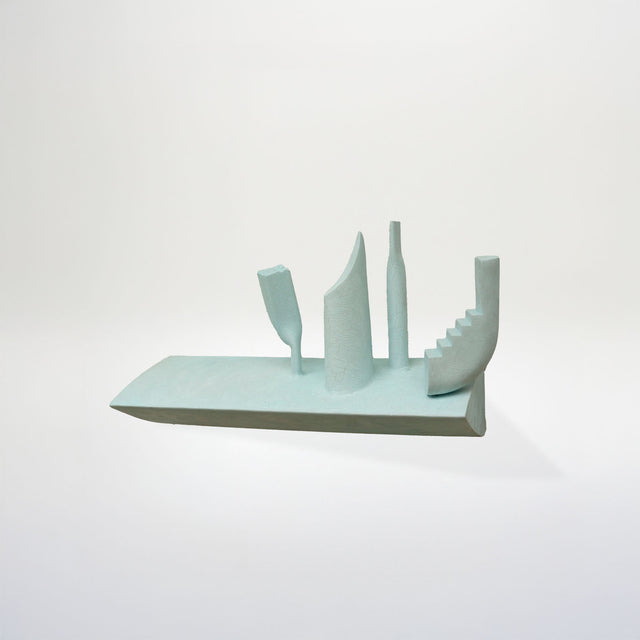
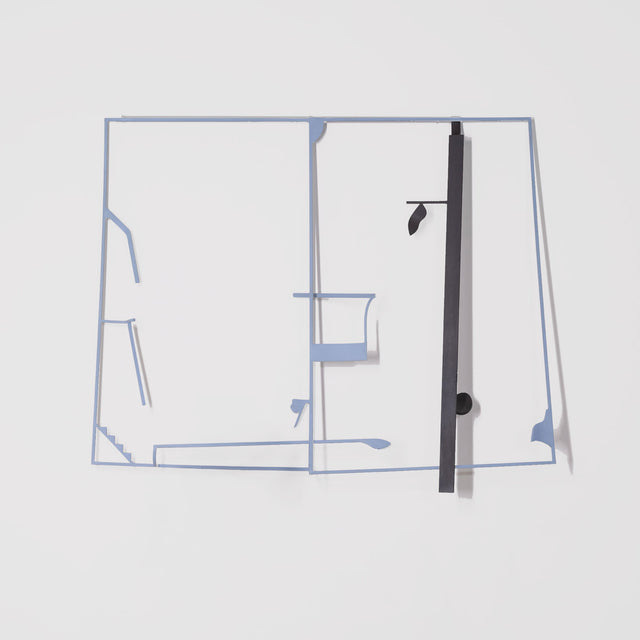
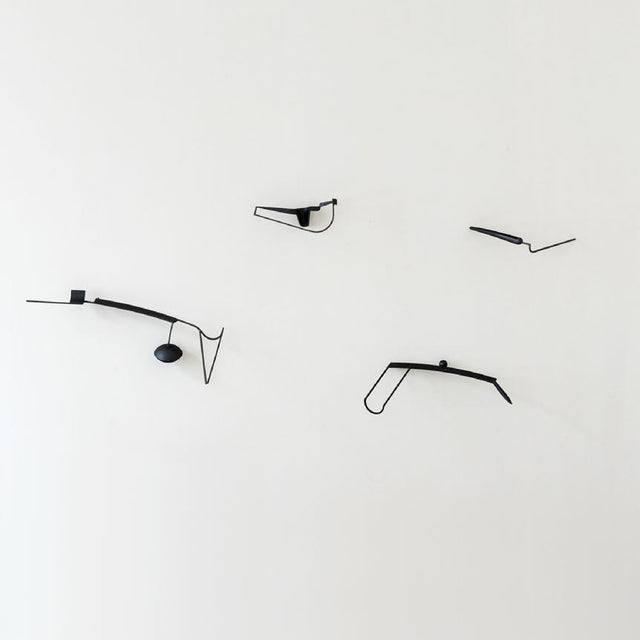
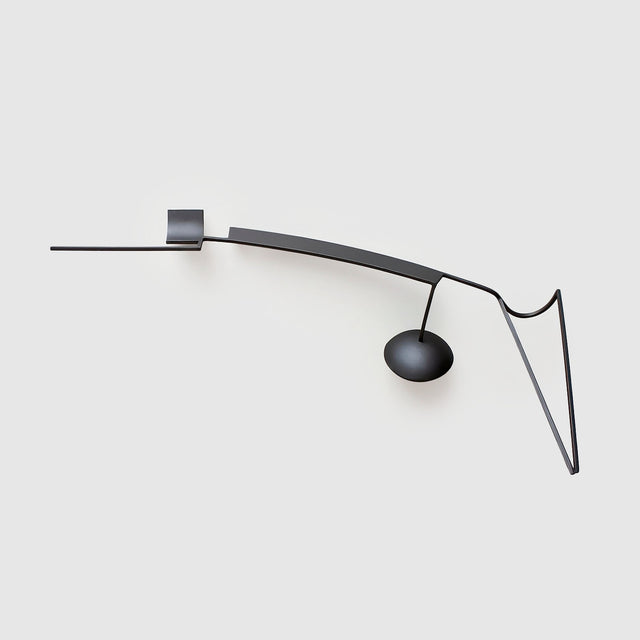
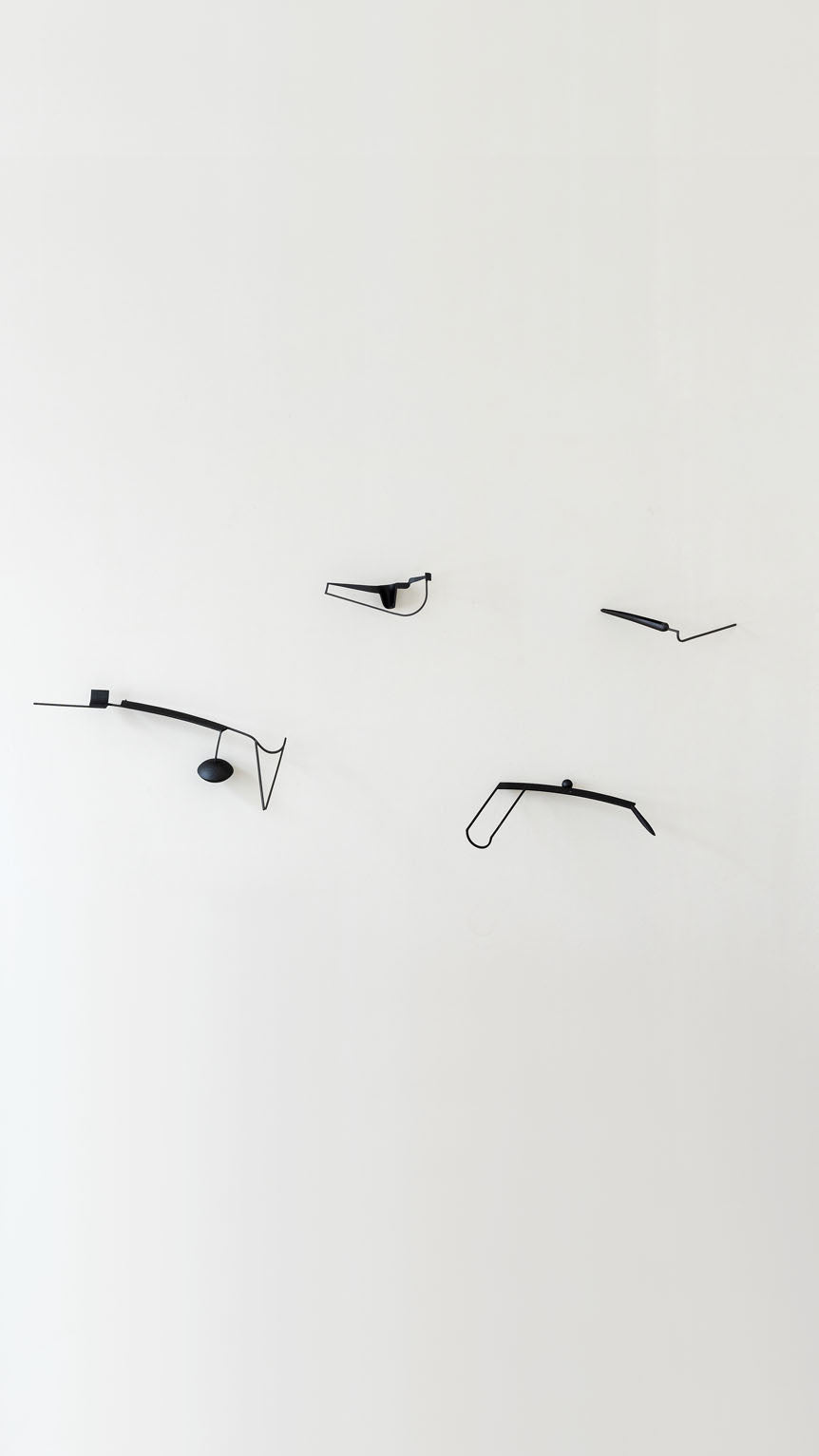
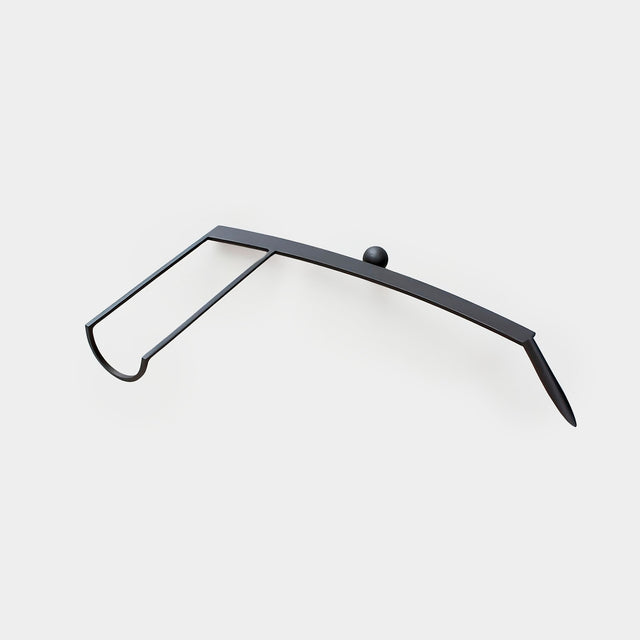
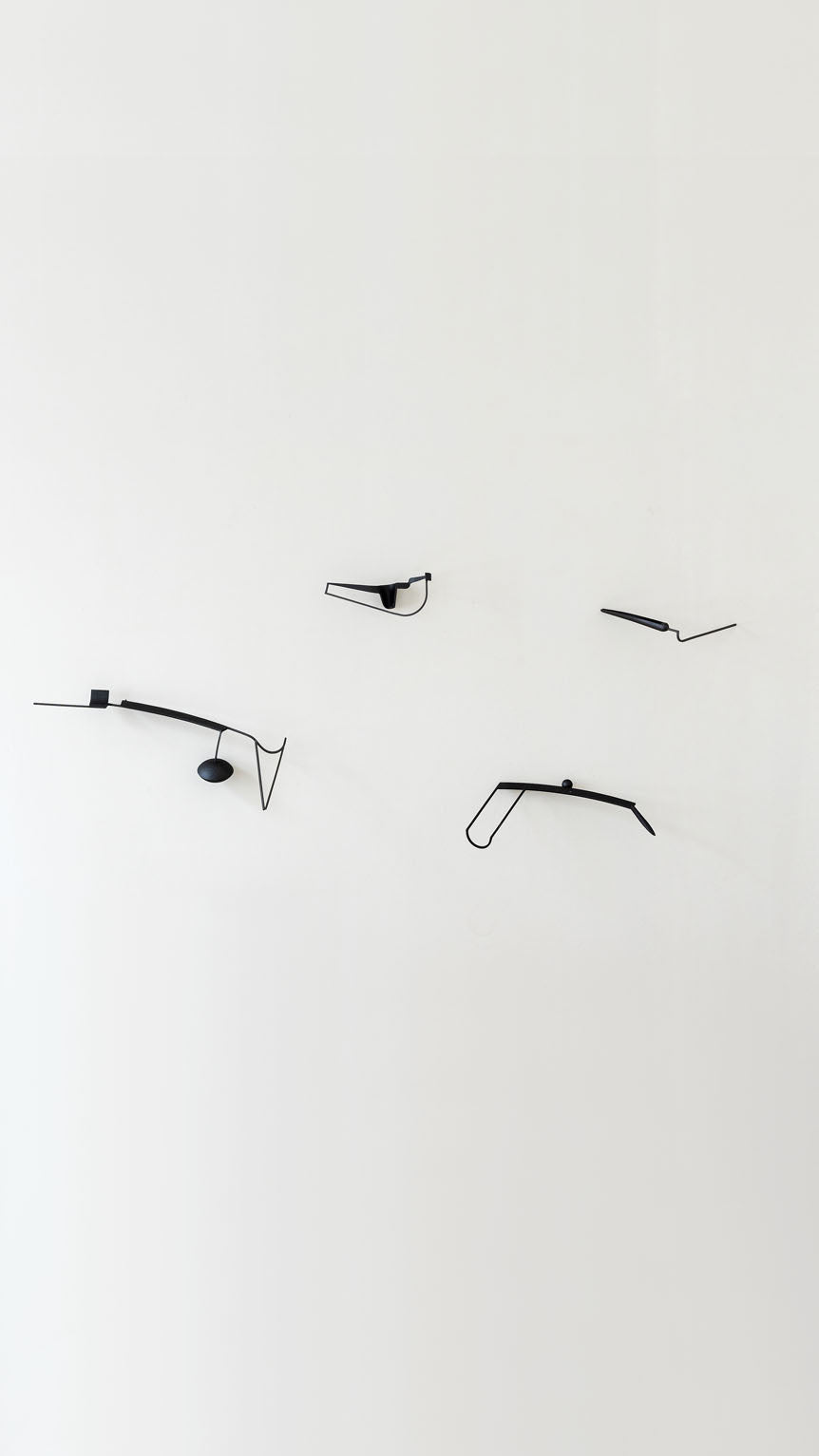
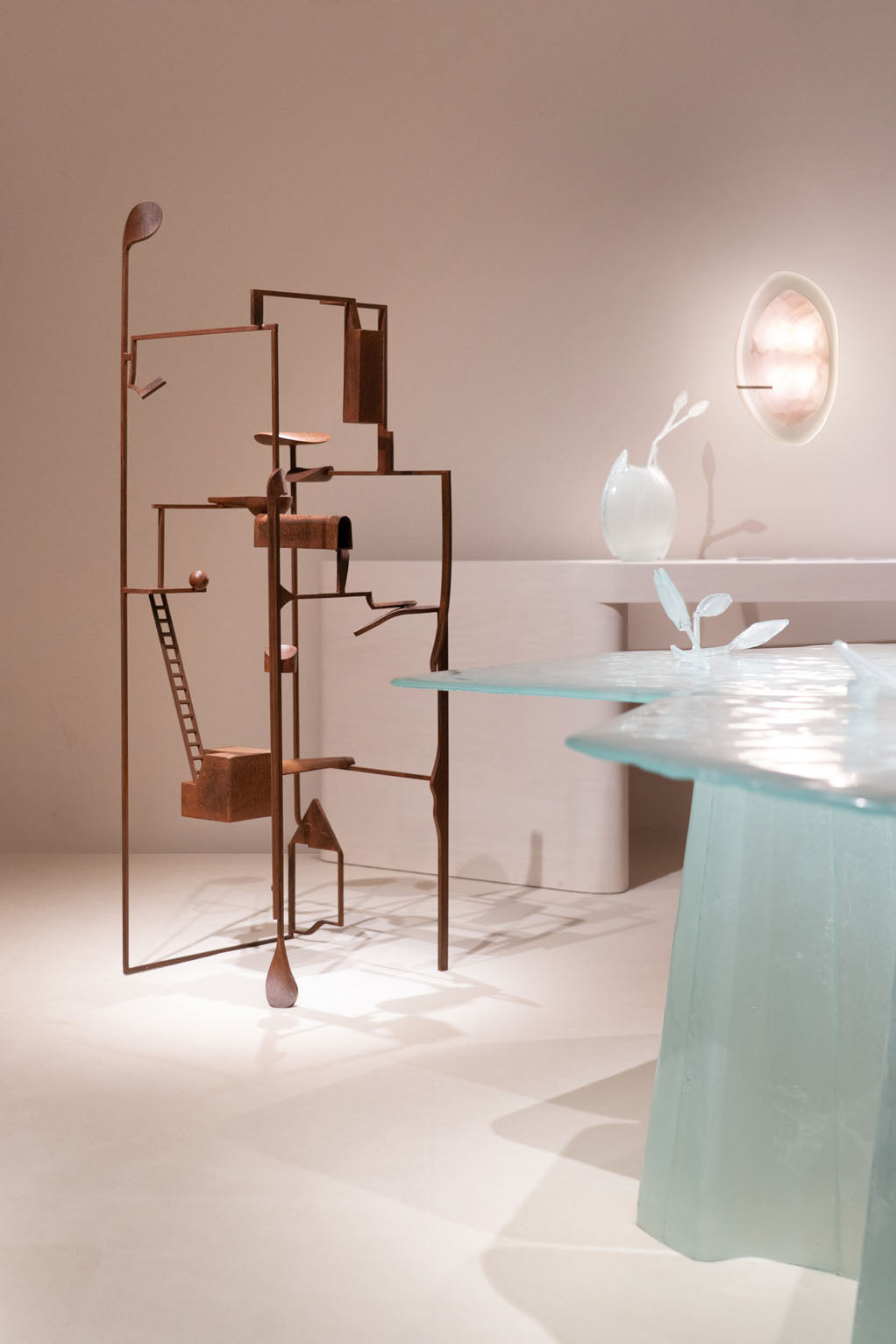
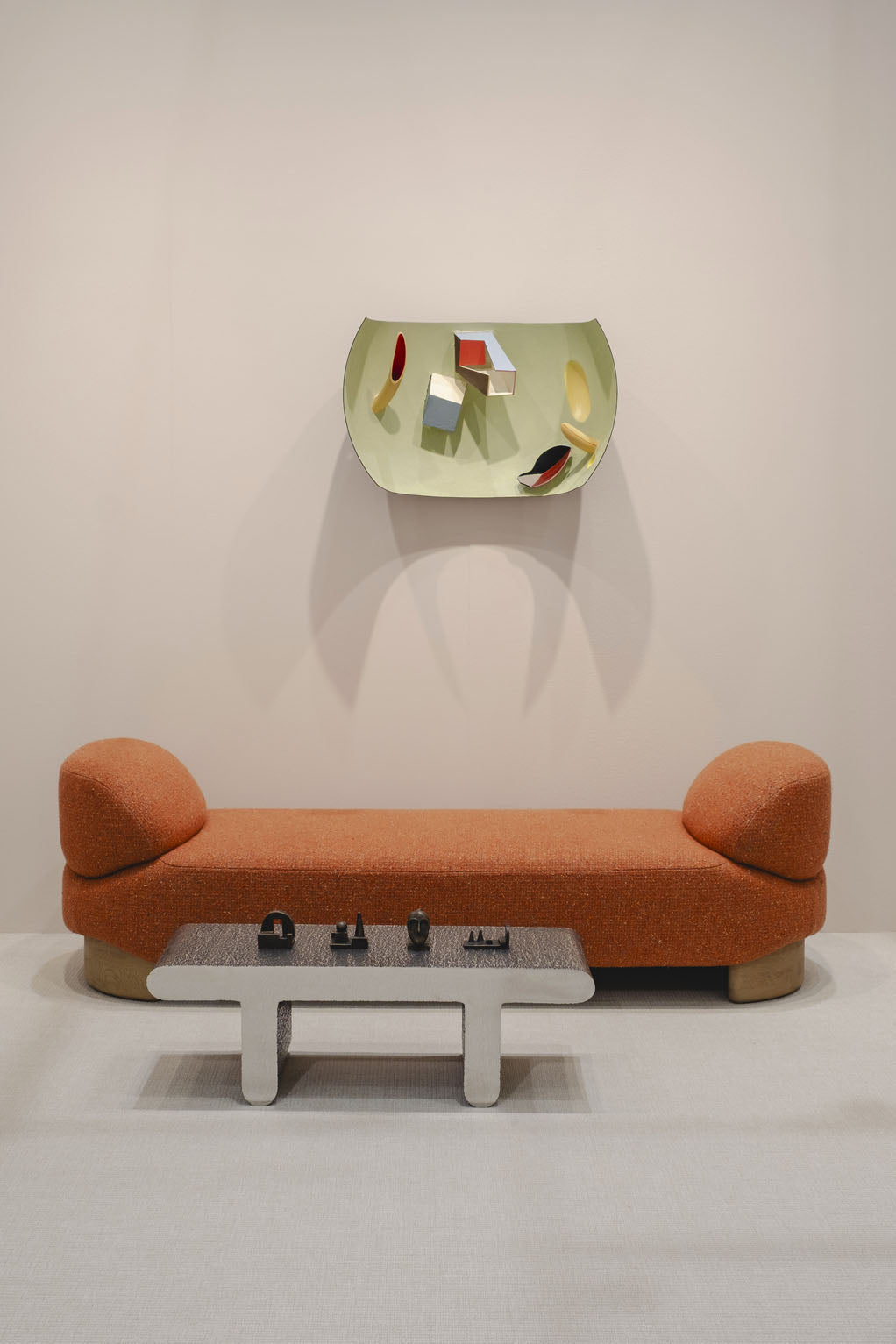
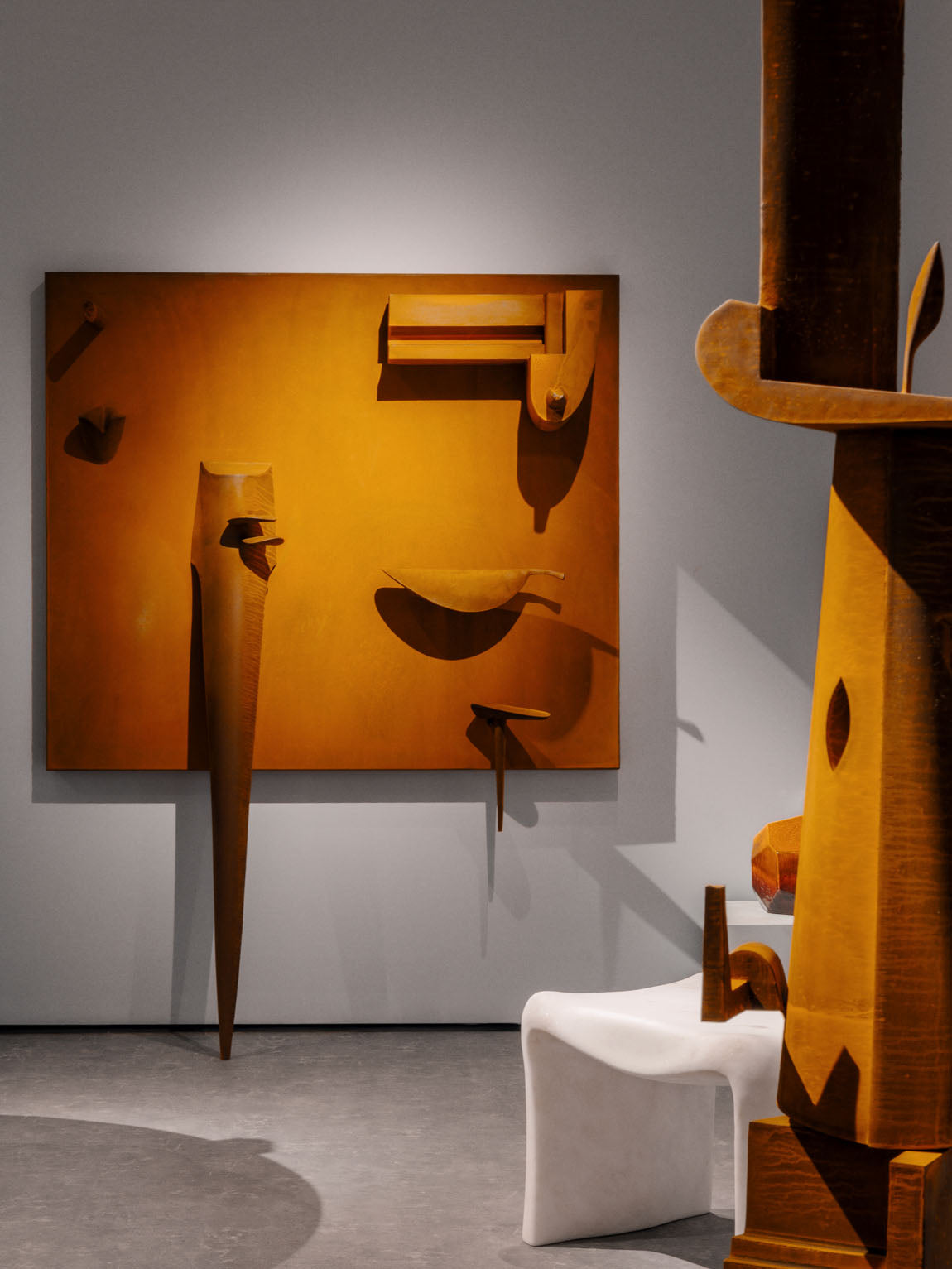
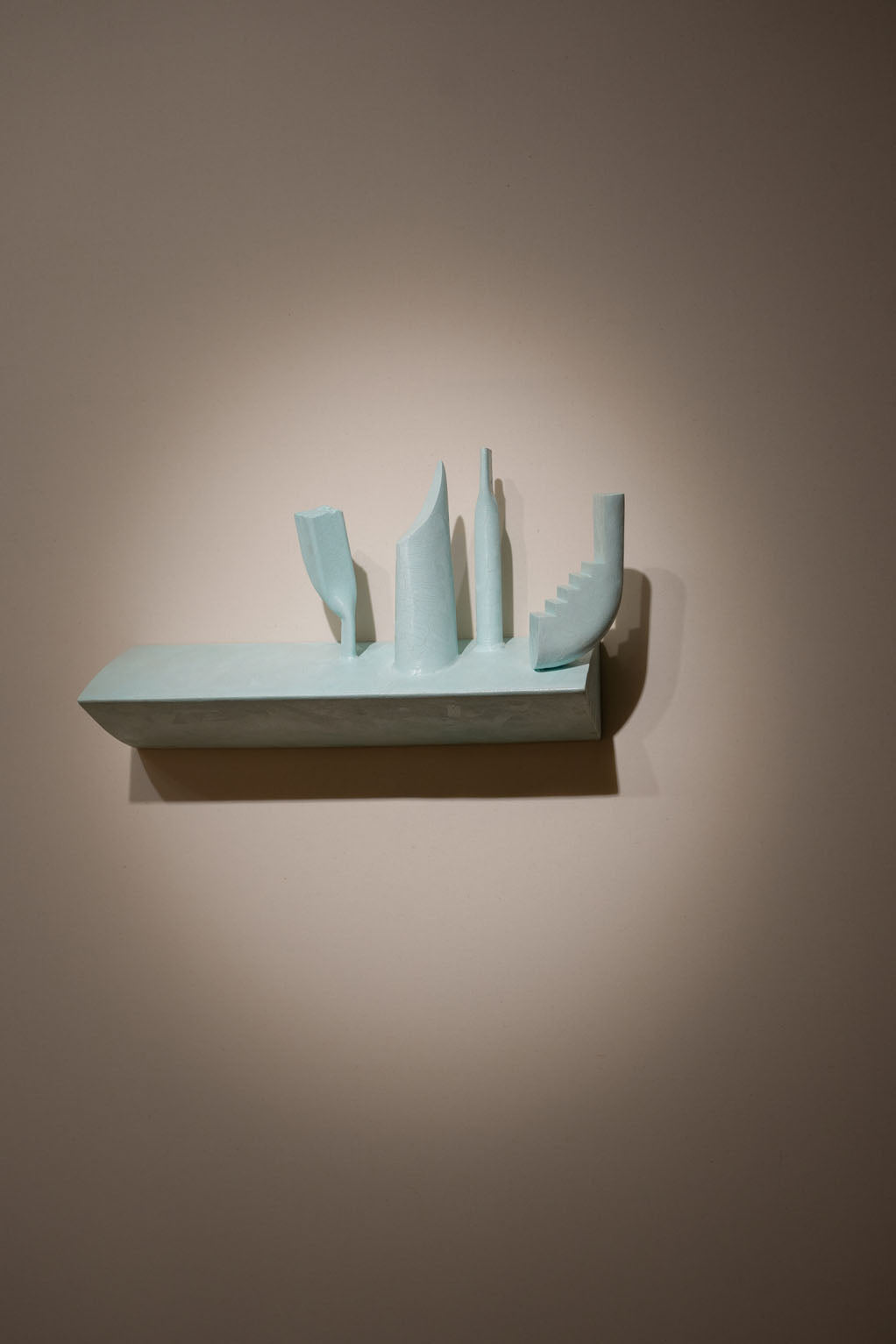
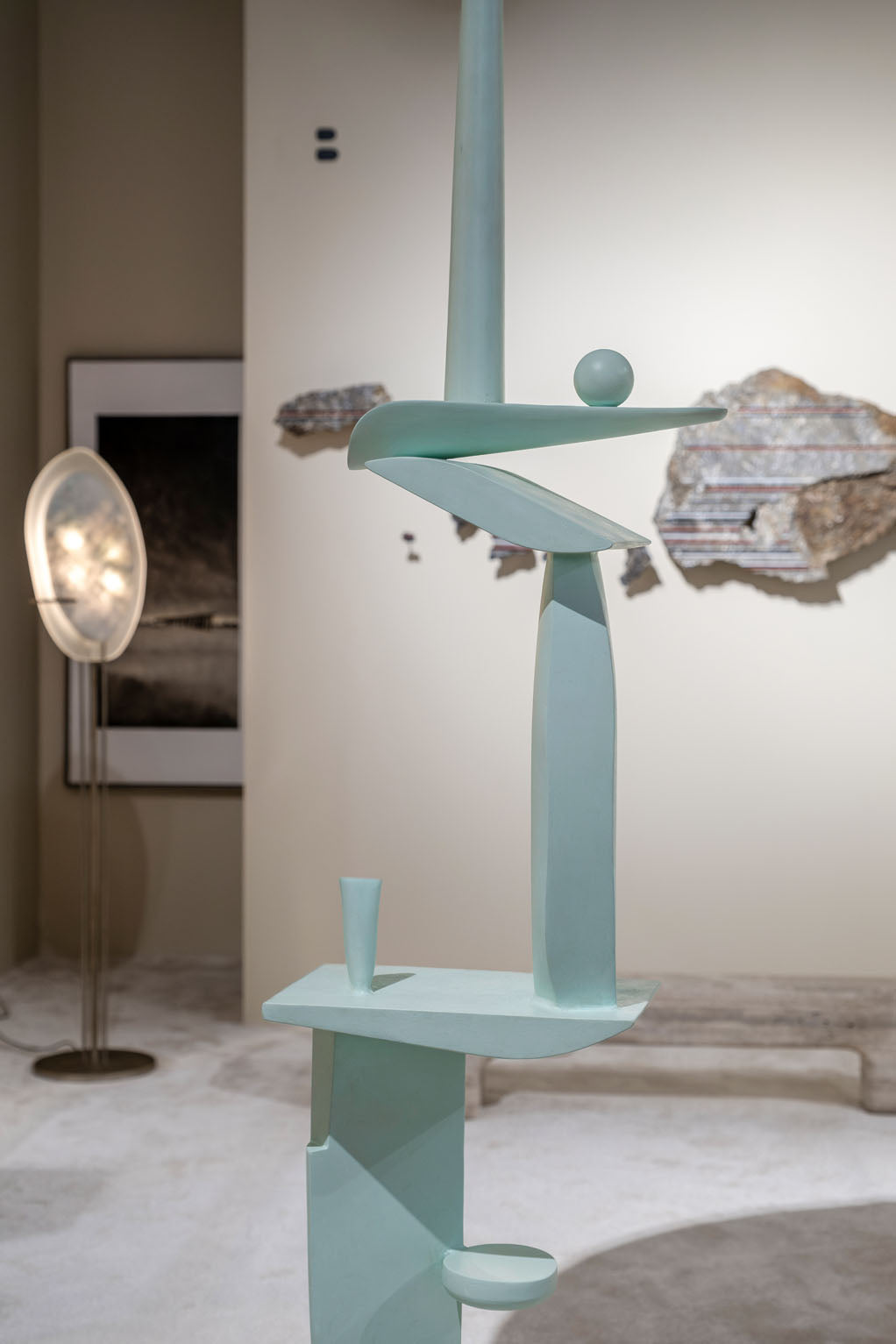
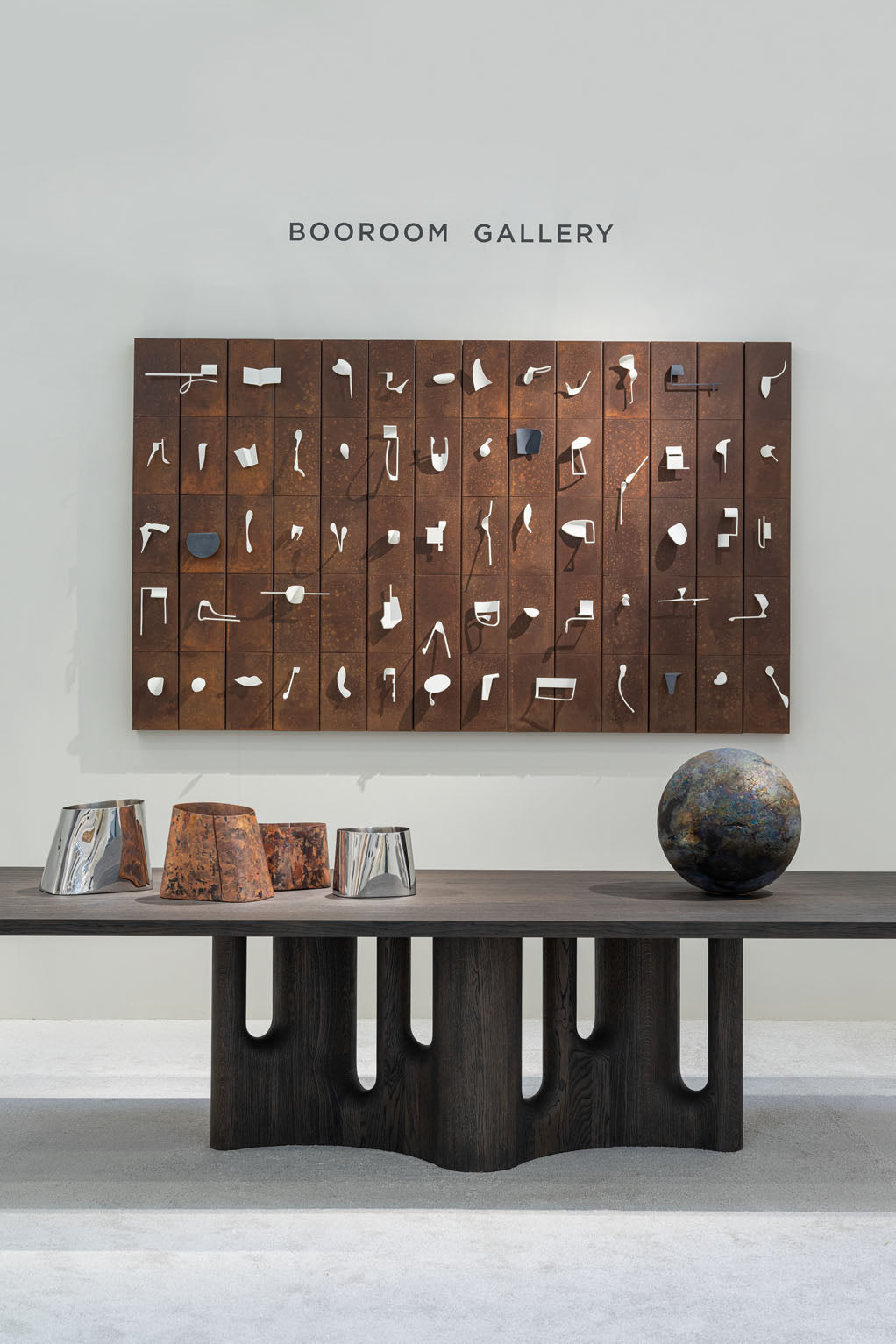
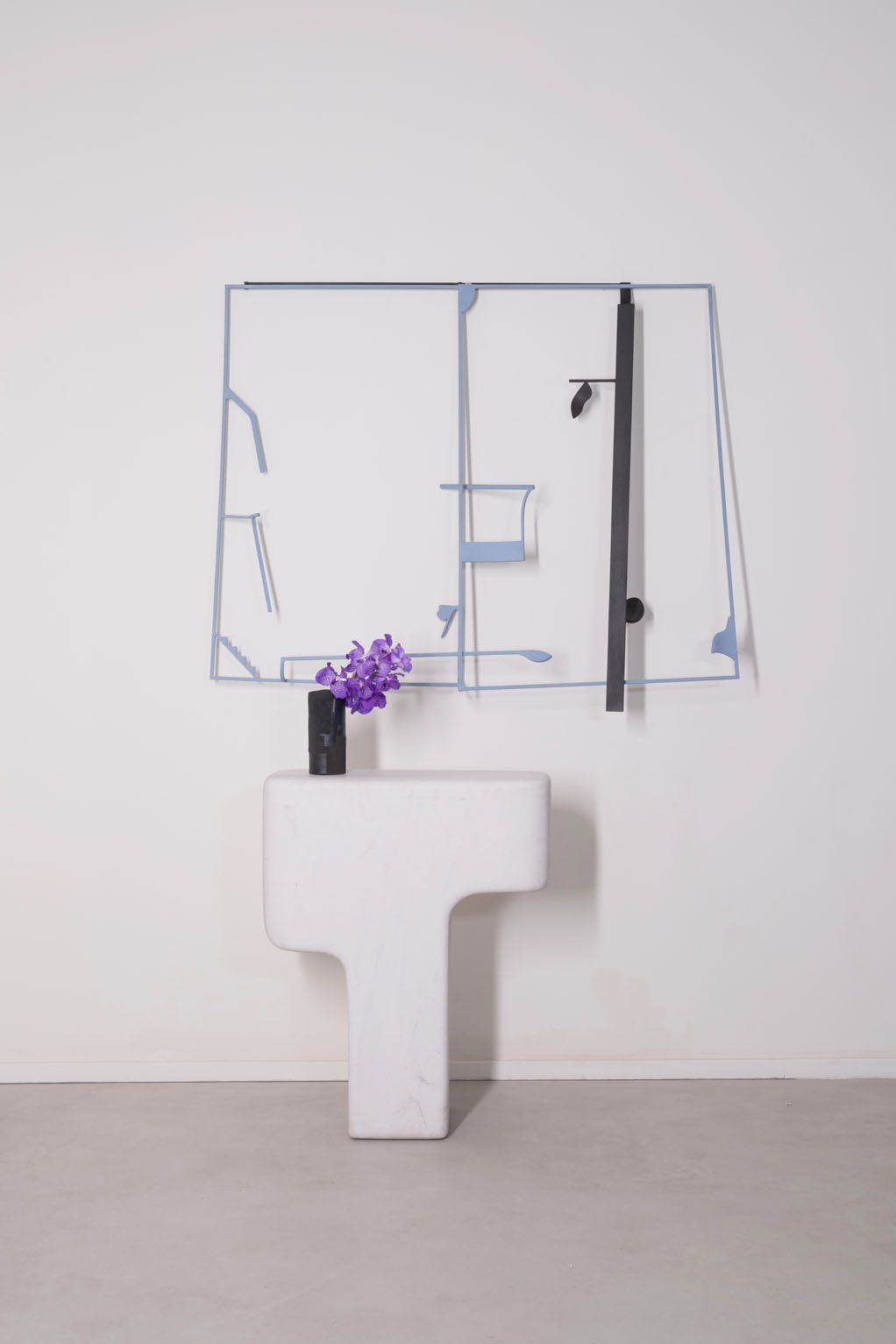
For Rui Matos memories are associated with the brightest side of existence, the inner reality of each person, and thus are revealed as something more intimate and mysterious. The artist paints sculptures with thin, graceful lines, dissects, takes apart, deforms and changes — then collects the fragments and creates a new being.
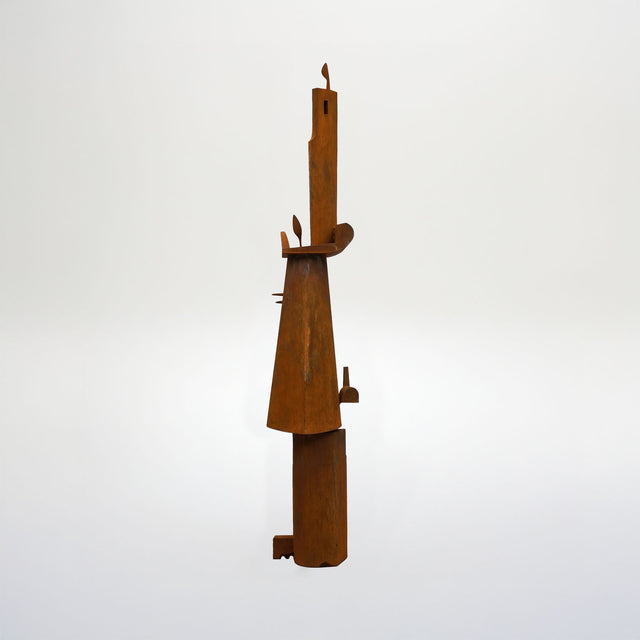
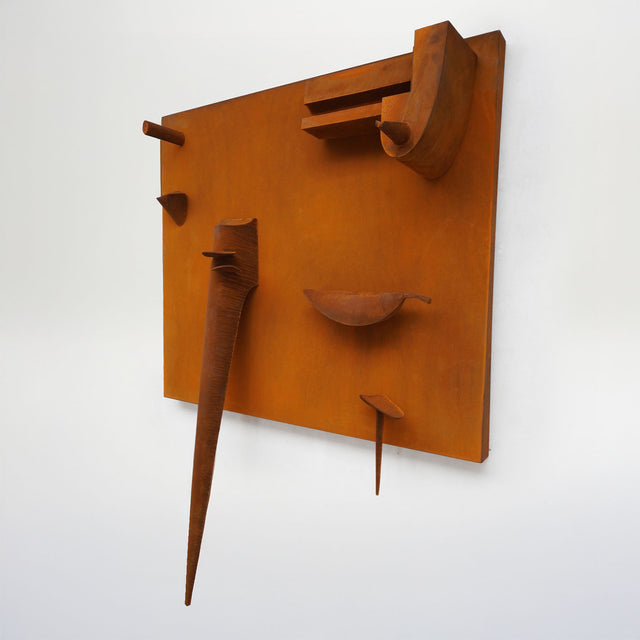
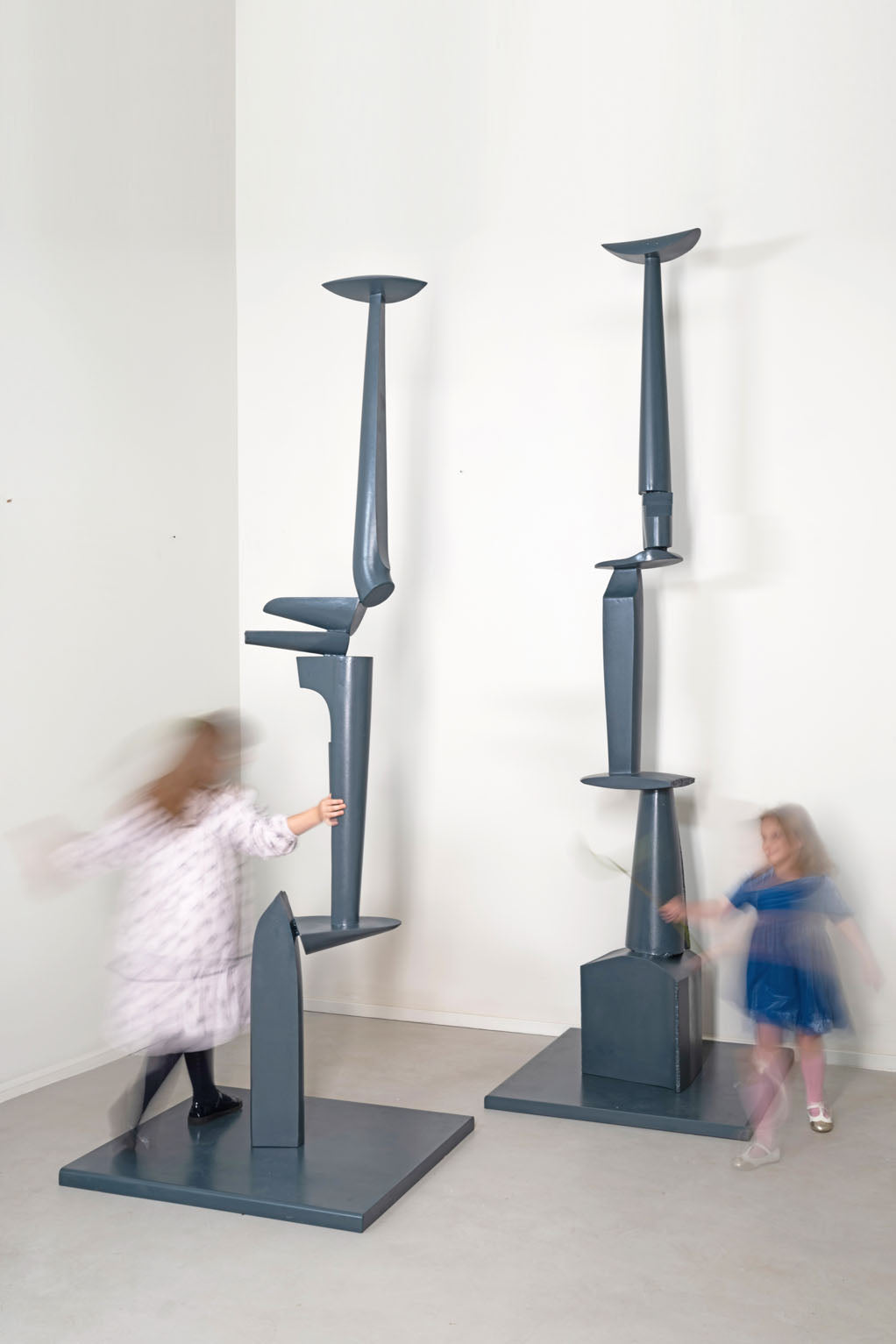
According to Matos, sculpture forms a close relationship between idea and matter. Oxidized and painted metal became his primary raw material after ten years of experiments with clay, stone and synthetic resin: the artist was greatly influenced by Russian constructivism with sculpture being its highlight and metal being one of the most powerful means of expression.
“All my acquired knowledge, all my life experience, all the sensations and feelings I had cannot directly and rationally generate a work of art. However, all this, after being temporarily forgotten, reappears when the idea of a new sculpture unexpectedly arises. The idea is always the same, to breathe a breath of life, energy and spirituality into a cold and amorphous matter. Transform matter into a new being. Art is not just form and design is not just function. They are our affective connection to the world we inhabit. Artists carry an ancestral culture with them, but at the same time fully live their time,” says the artist.