Masao Yamamoto
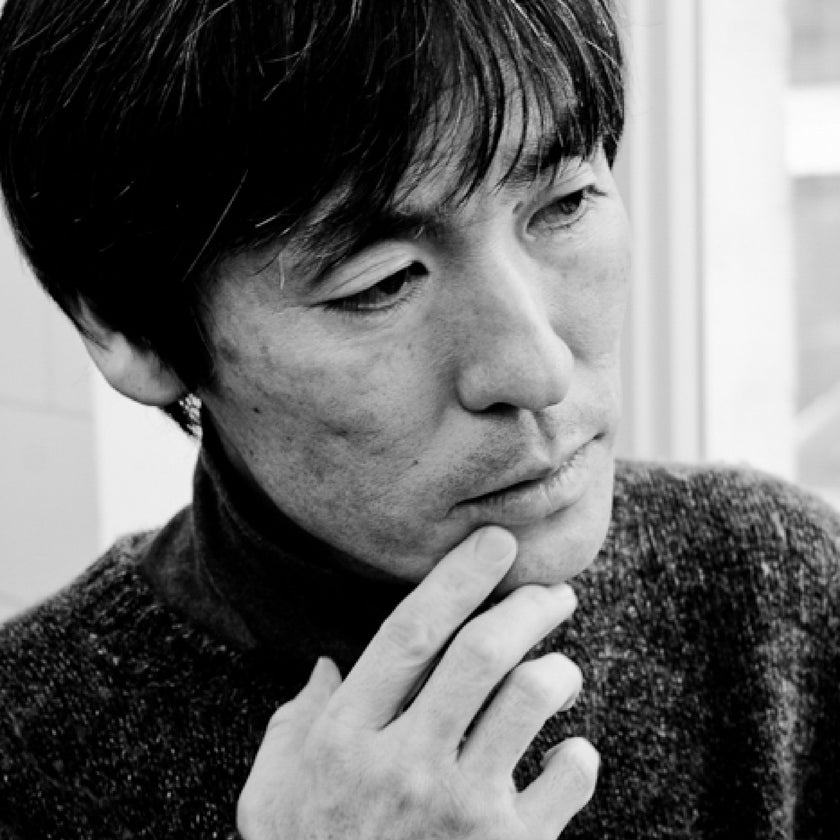
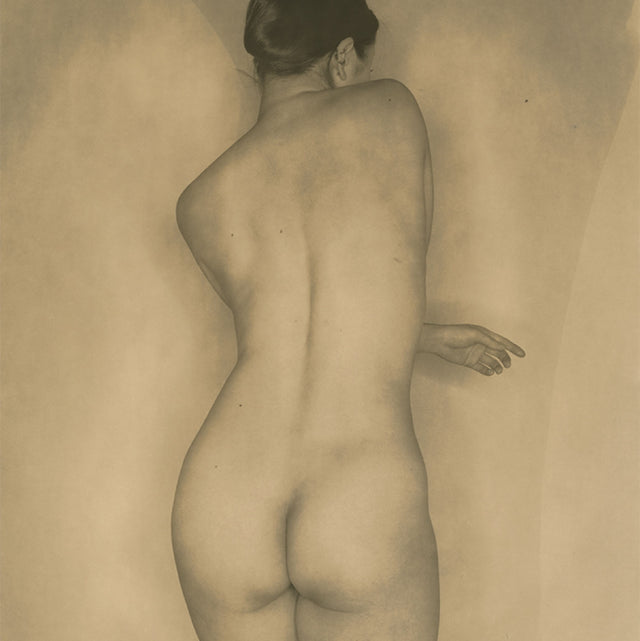
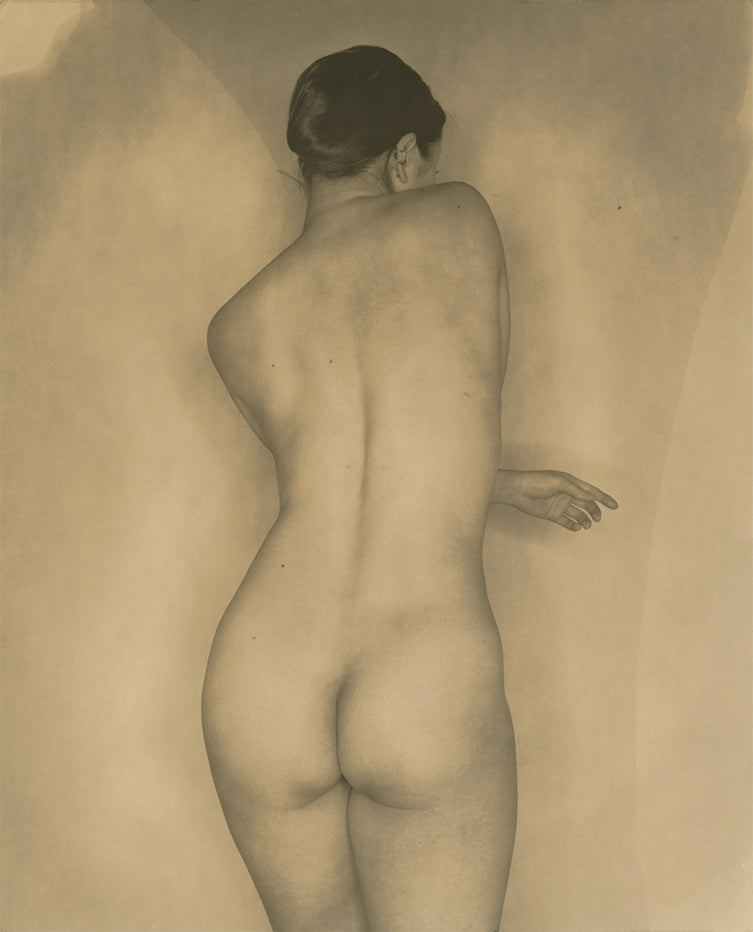
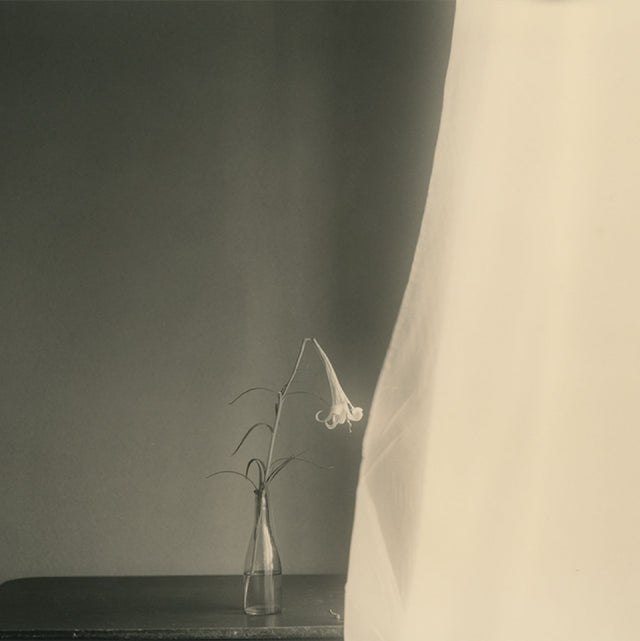
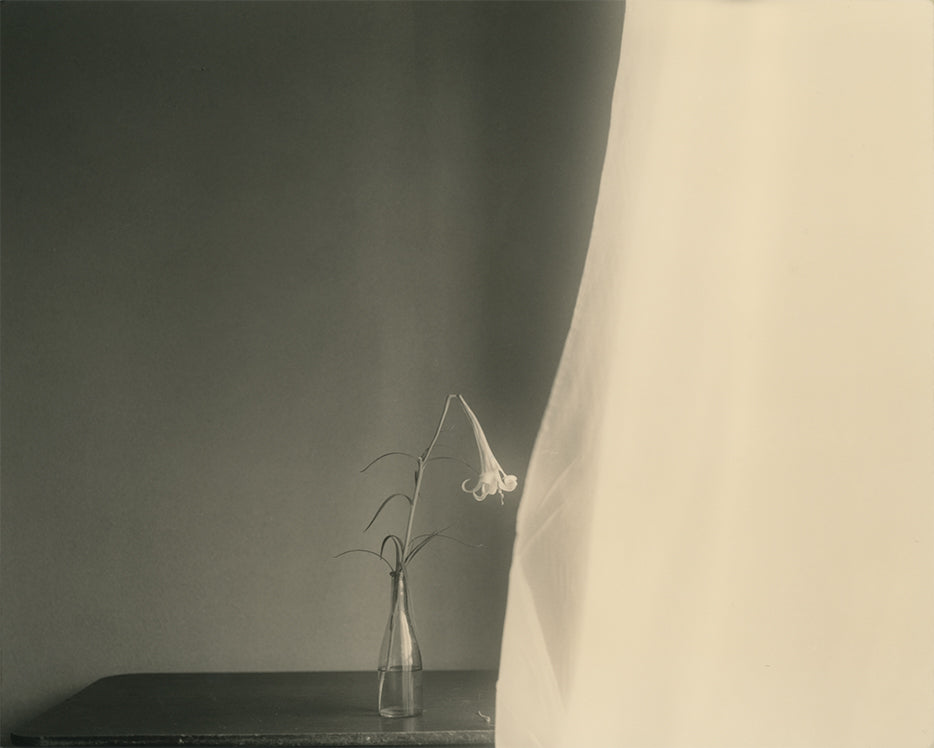
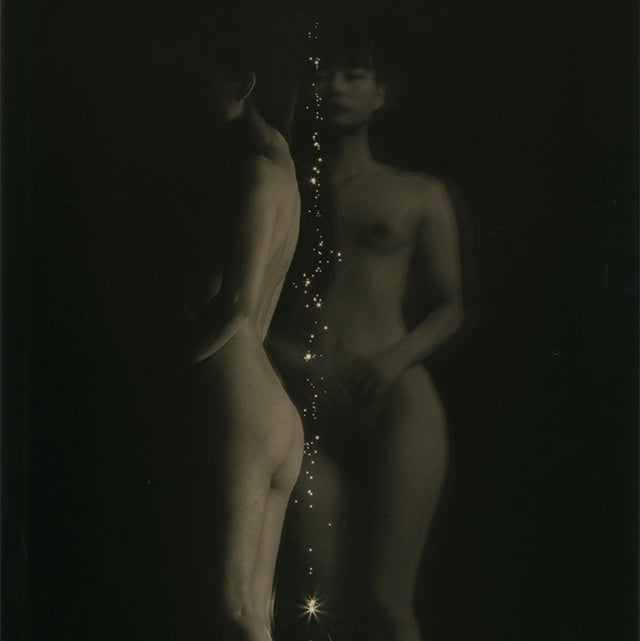
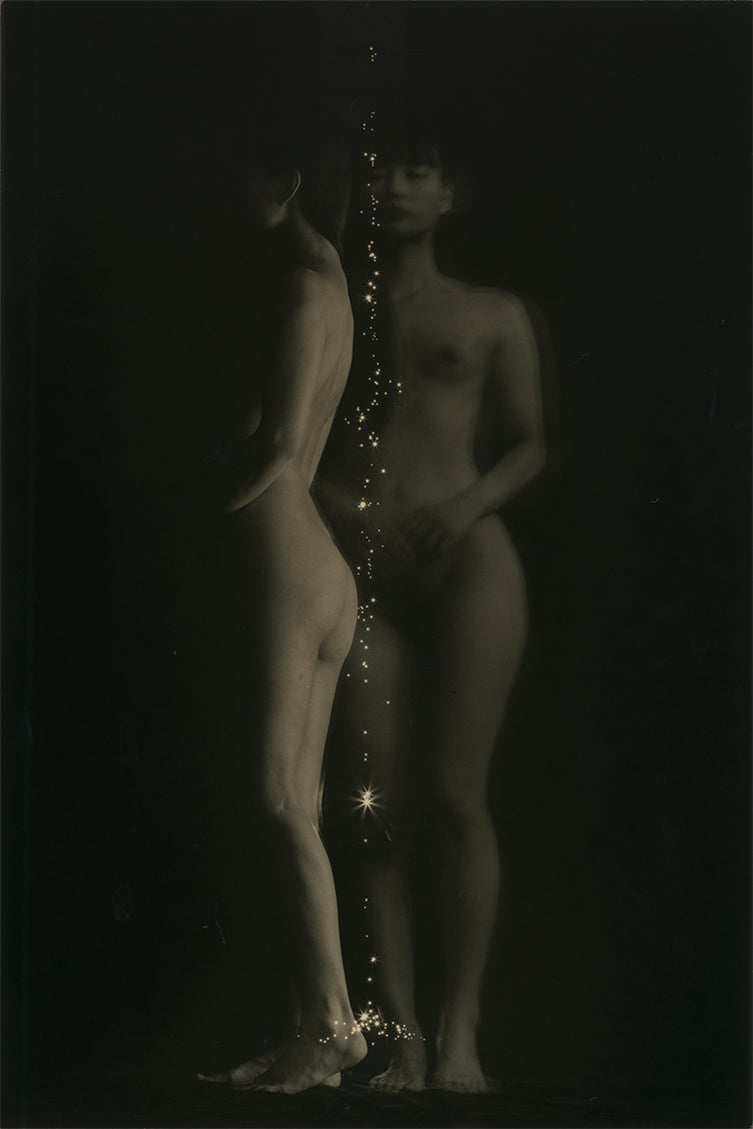
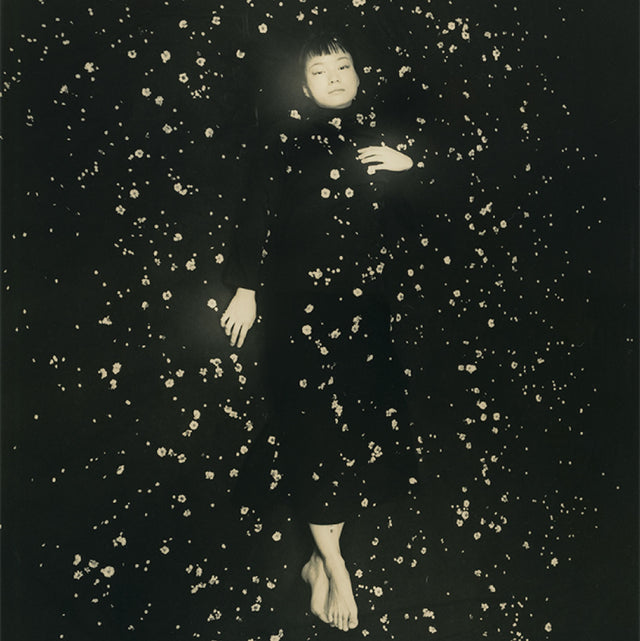
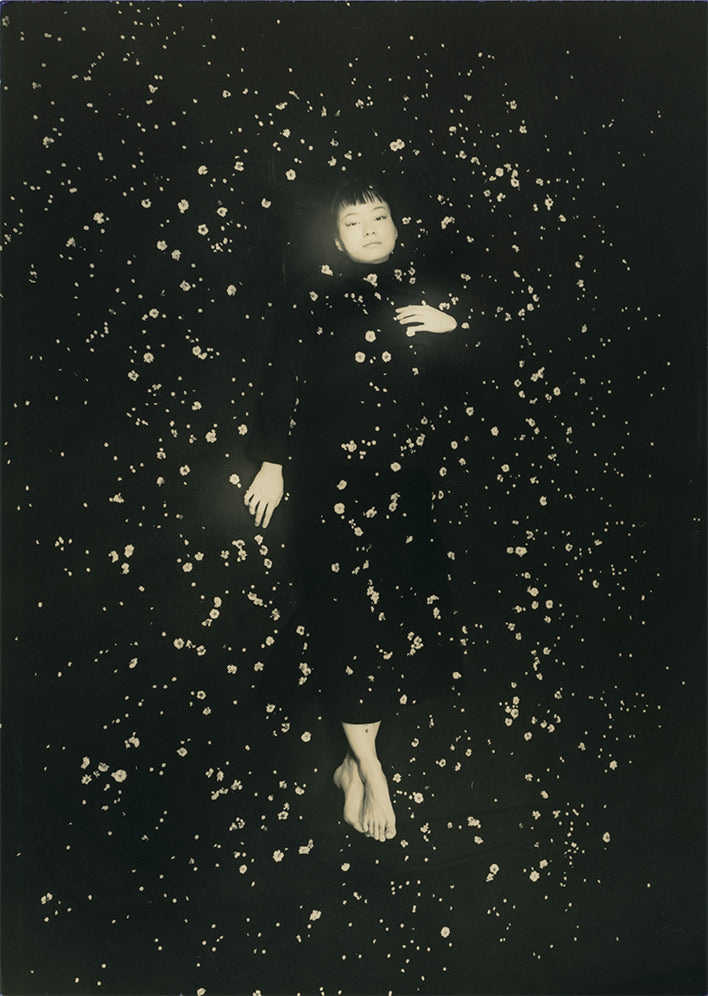
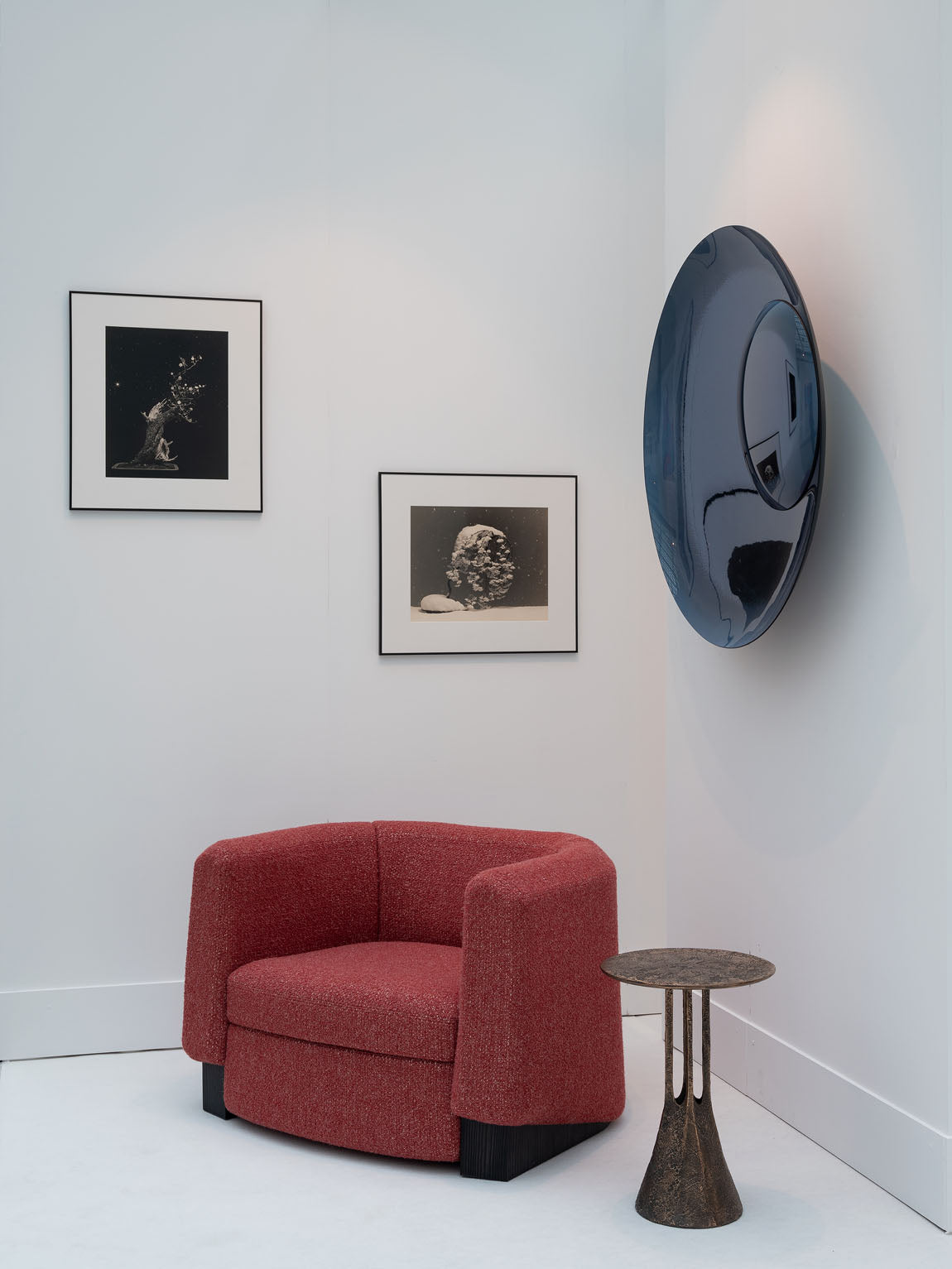
Masao Yamamoto (b. 1957) is an outstanding contemporary photographer. He is famous for a subtle style of black and white photography like "visual haiku", a narrative about the world around him. His works take pride of place in the finest private collections and galleries, including the International Center for Photography in New York, the European House of Photography in Paris and the Victoria and Albert Museum in London.
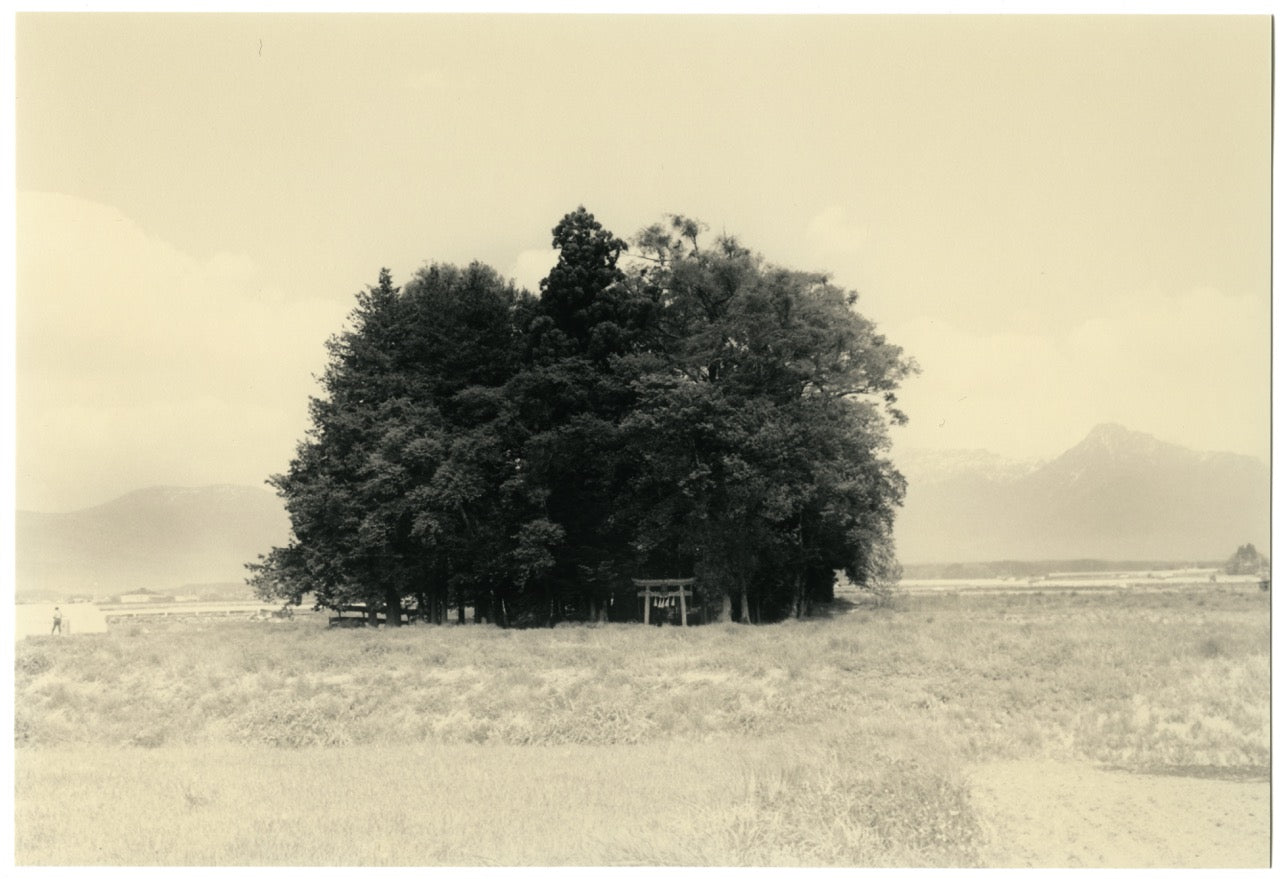
Yamamoto grew up in the Japanese city of Gamagori, situated on the Pacific coast sand surrounded by mountains. The beauty of nature became the main theme of his work. He started his experiments in art with painting, but soon he discovered photography, and it became for him a synthesis of poetry, painting and the philosophical tradition. In Yamamoto's photographs the mundane turns into the eternal. His works are characterized by asceticism, meditative silence, modesty and the ability to convey a vision of emptiness.
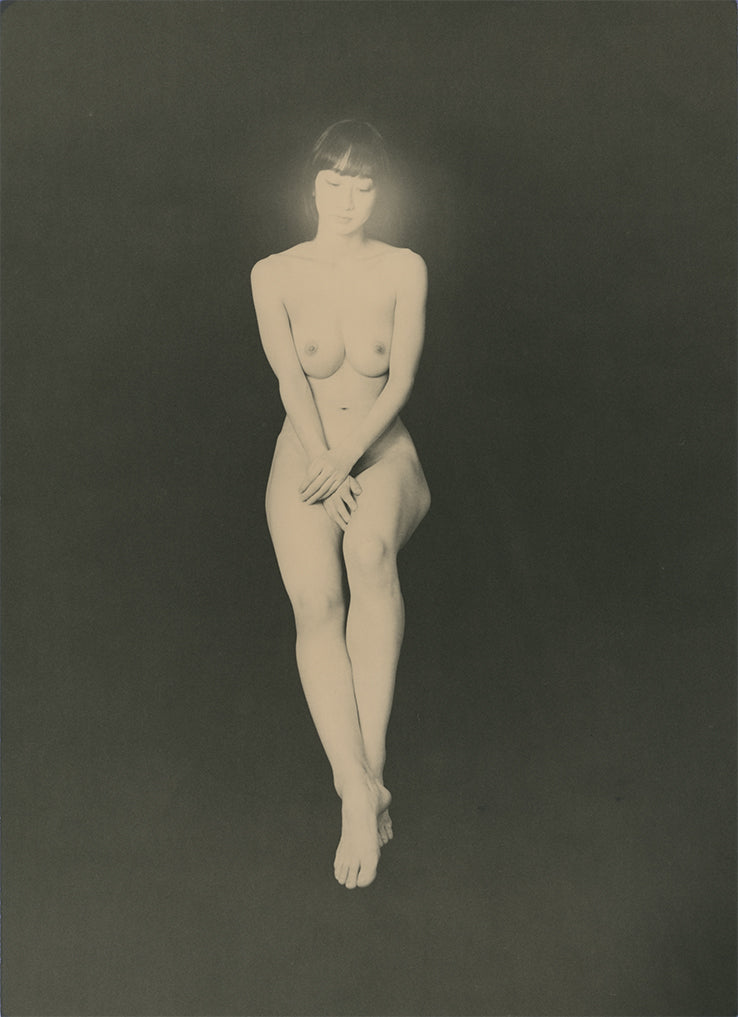
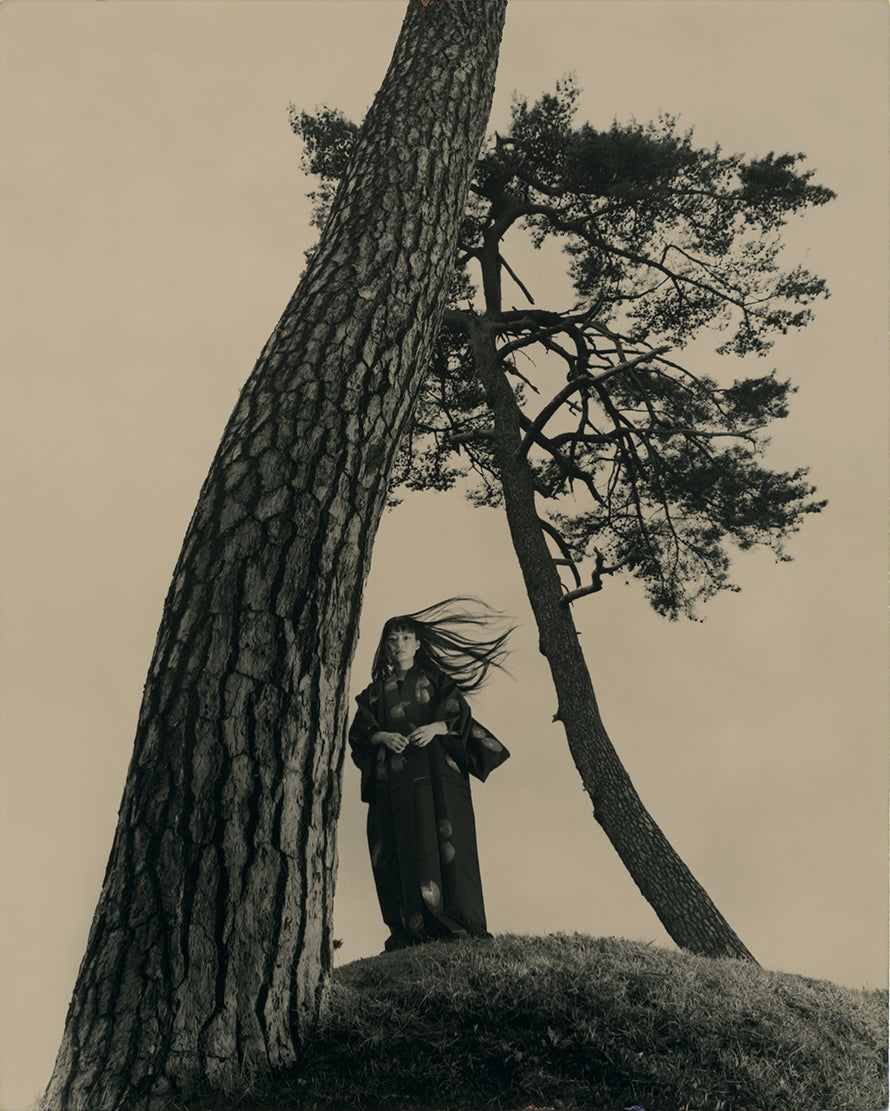
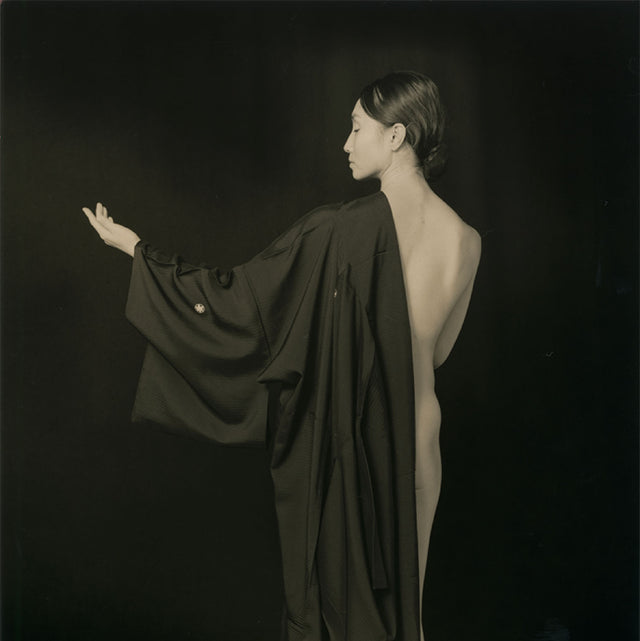
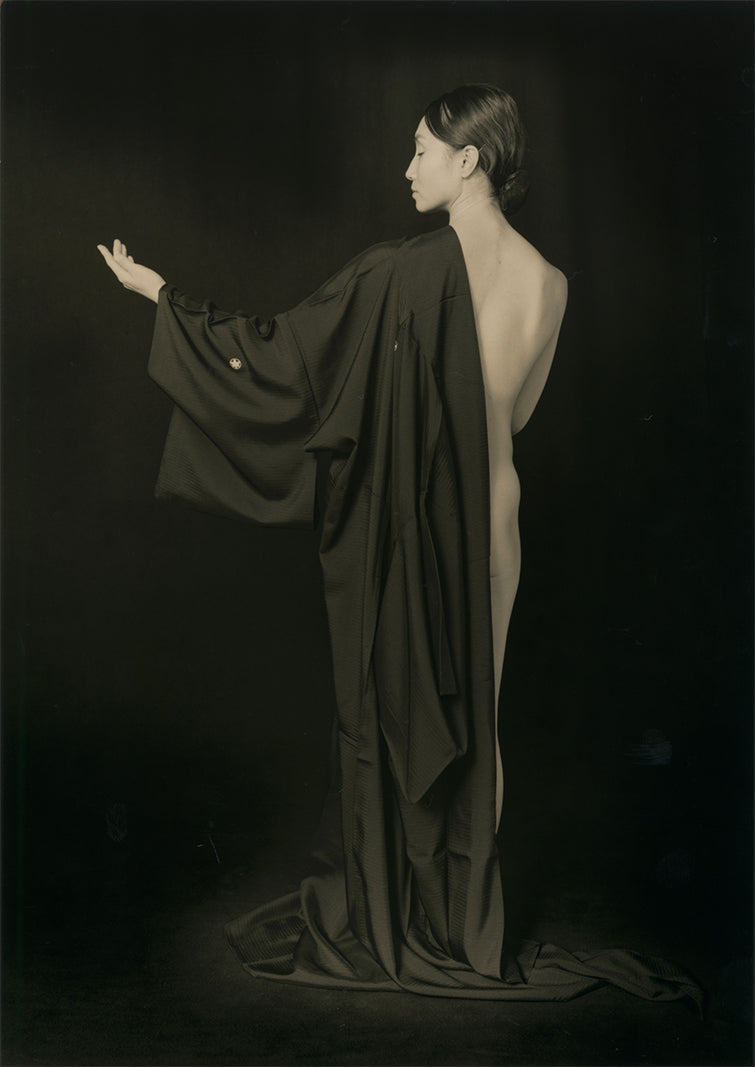
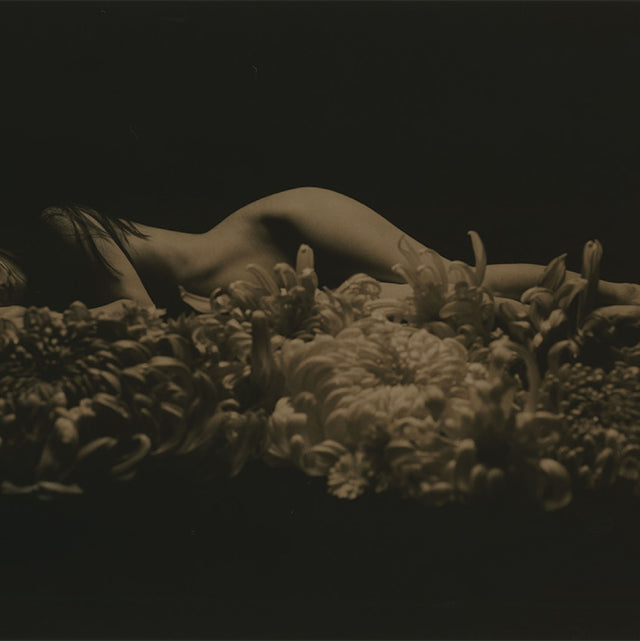
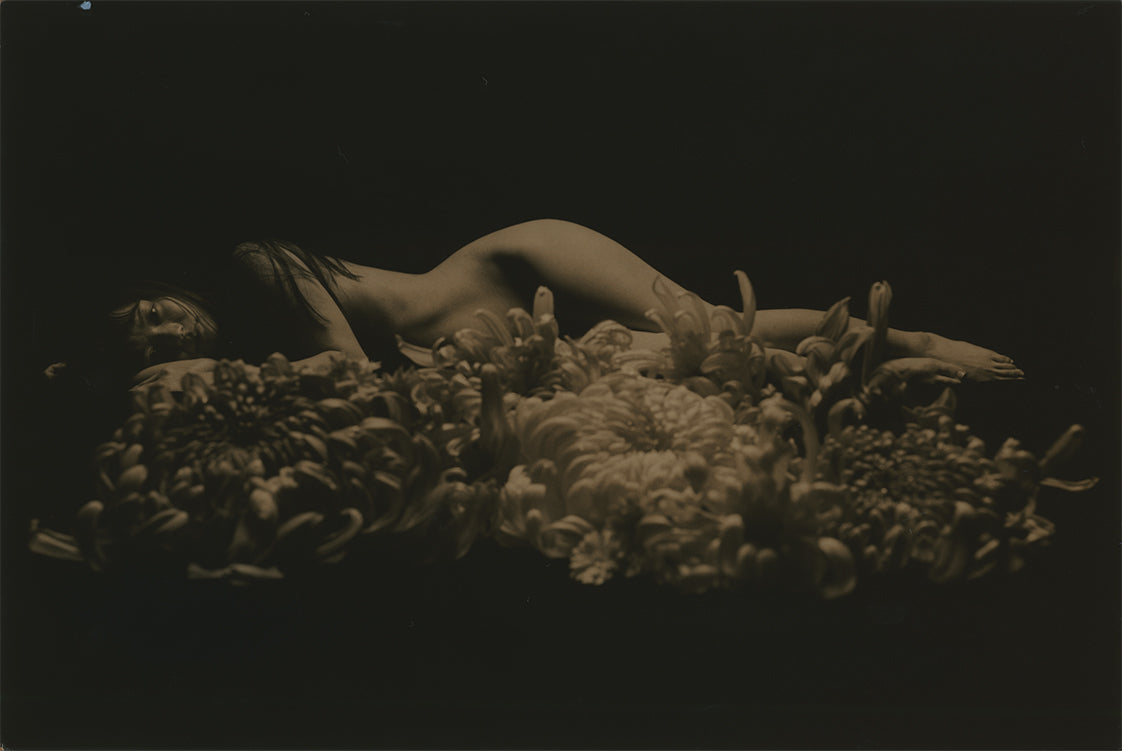
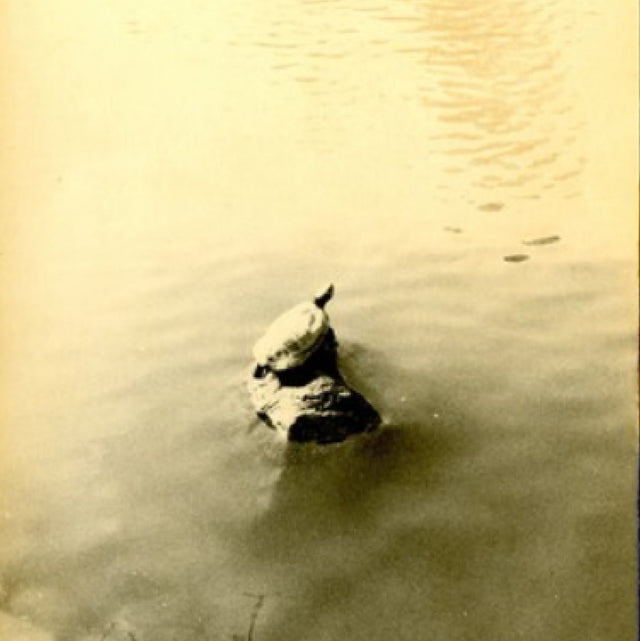
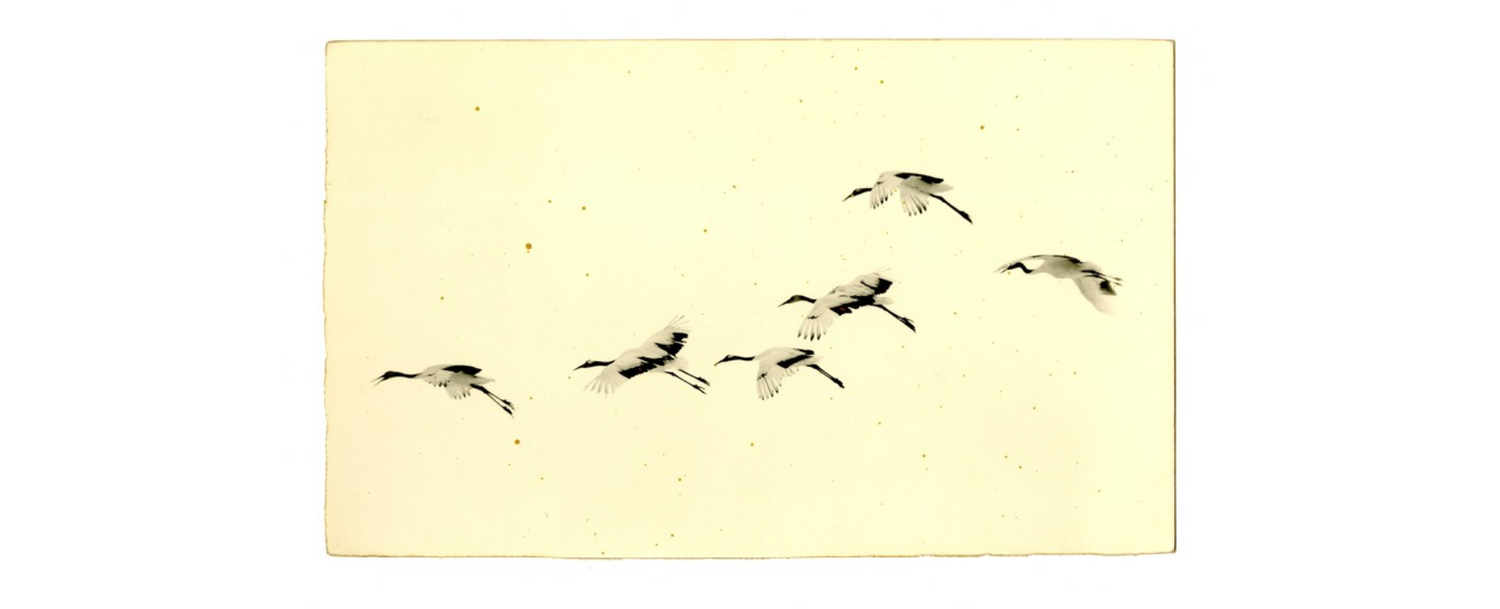
The photographer uses the technique of silver–gelatin printing, manually ages and softly tones the pictures, trying to emphasize the fragility and transience of the created image. It captures the harmonious details of life, imperceptible to most. “I am inspired by the beautiful events and phenomena in this world which I experienced by accident, and I photograph them to make them into works of art. I think I do this from my desire to make them my own and show them to people later. This creates a collection of experiences that can be displayed just like any other collection of objects,” says the artist.
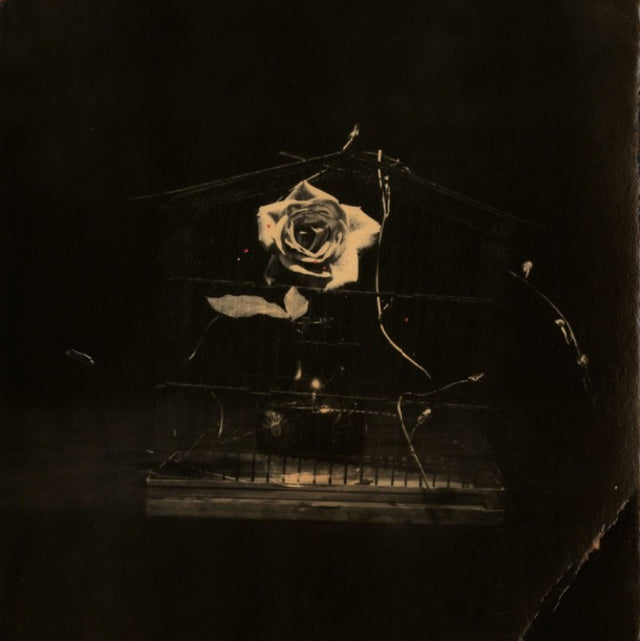
In the A Box of Ku collection, Yamamoto recreates images inspired by the philosophy of “emptiness”. According to this teaching, the inherent nature of things and phenomena is negated due to their relativity. The photographs in this series are deliberately aged: Yamamoto colored them with tea, tore and tinted them, carried them in his pockets. As he explains, this process aims to evoke the presence of a human hand, a personal history within each work.
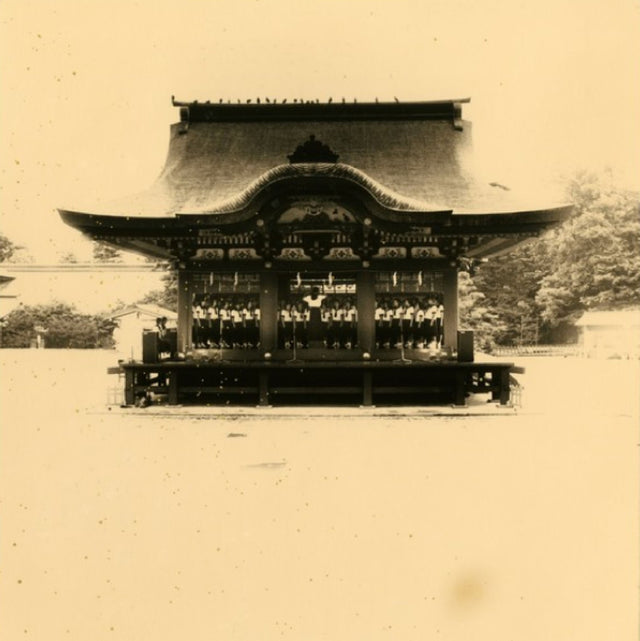
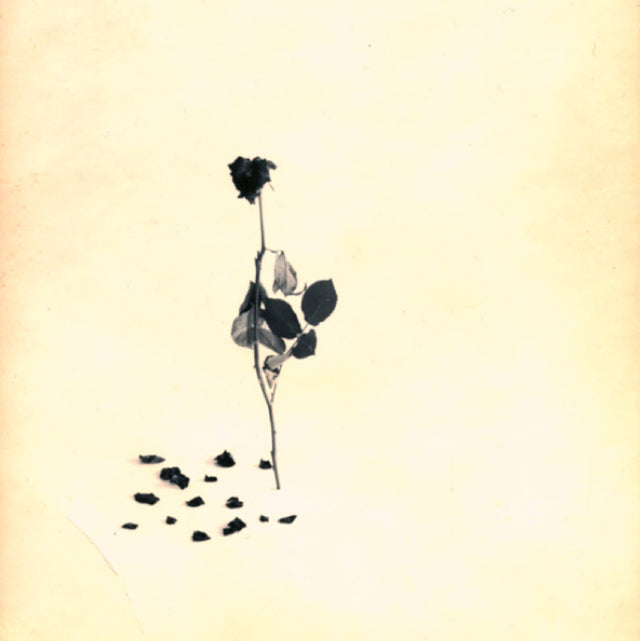
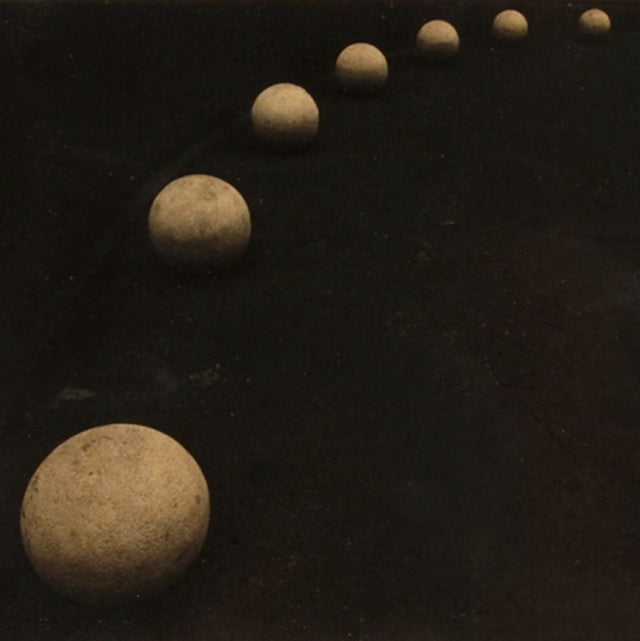
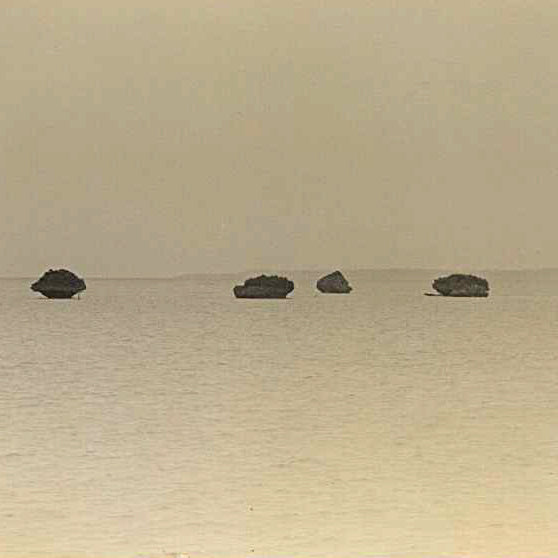
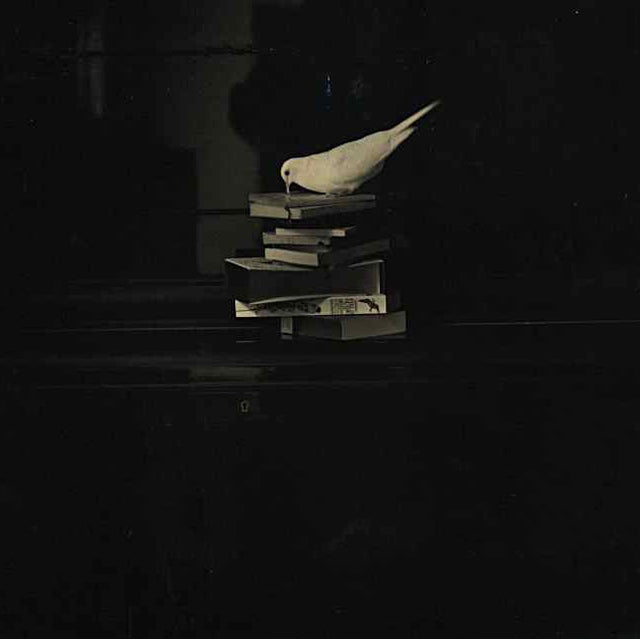
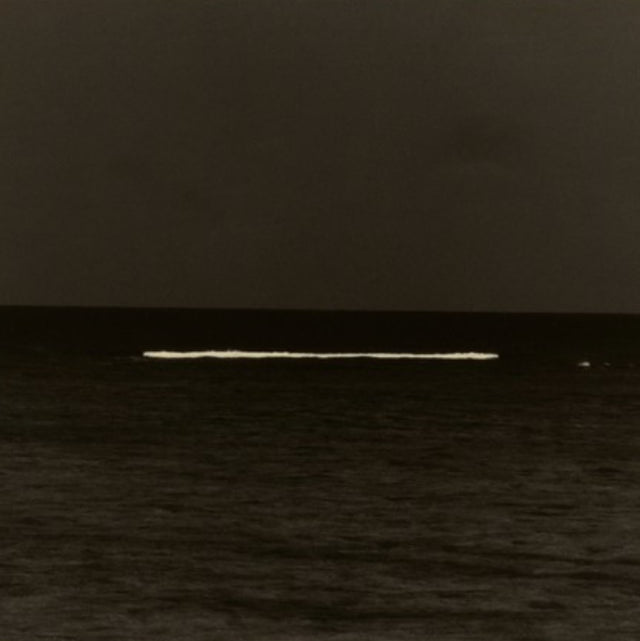
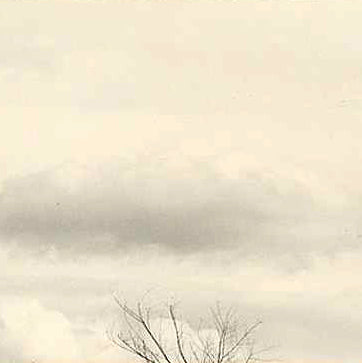
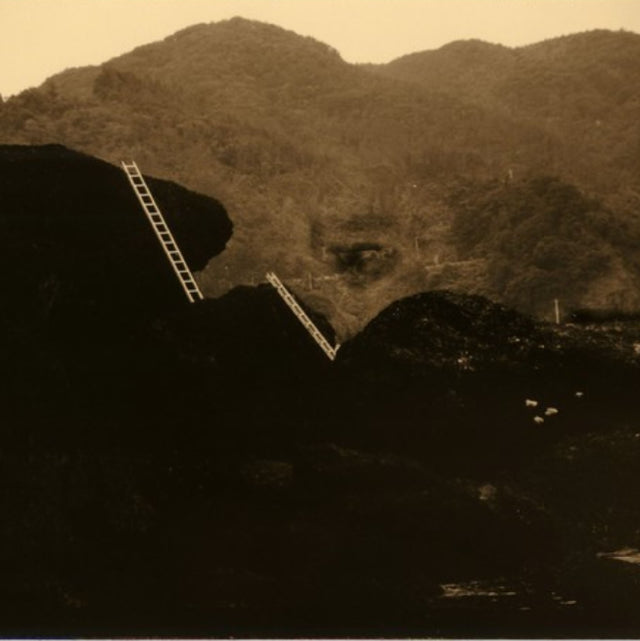
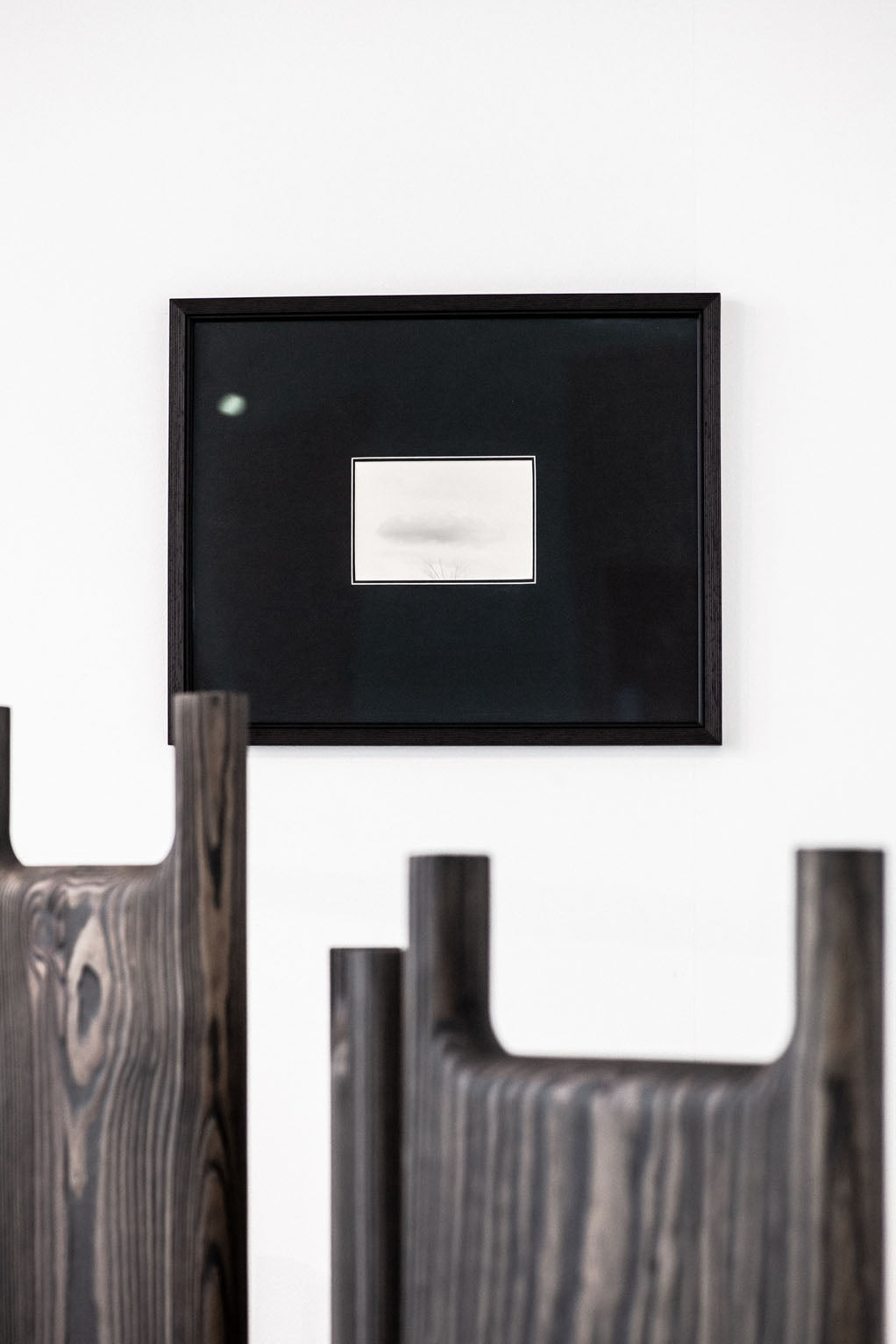
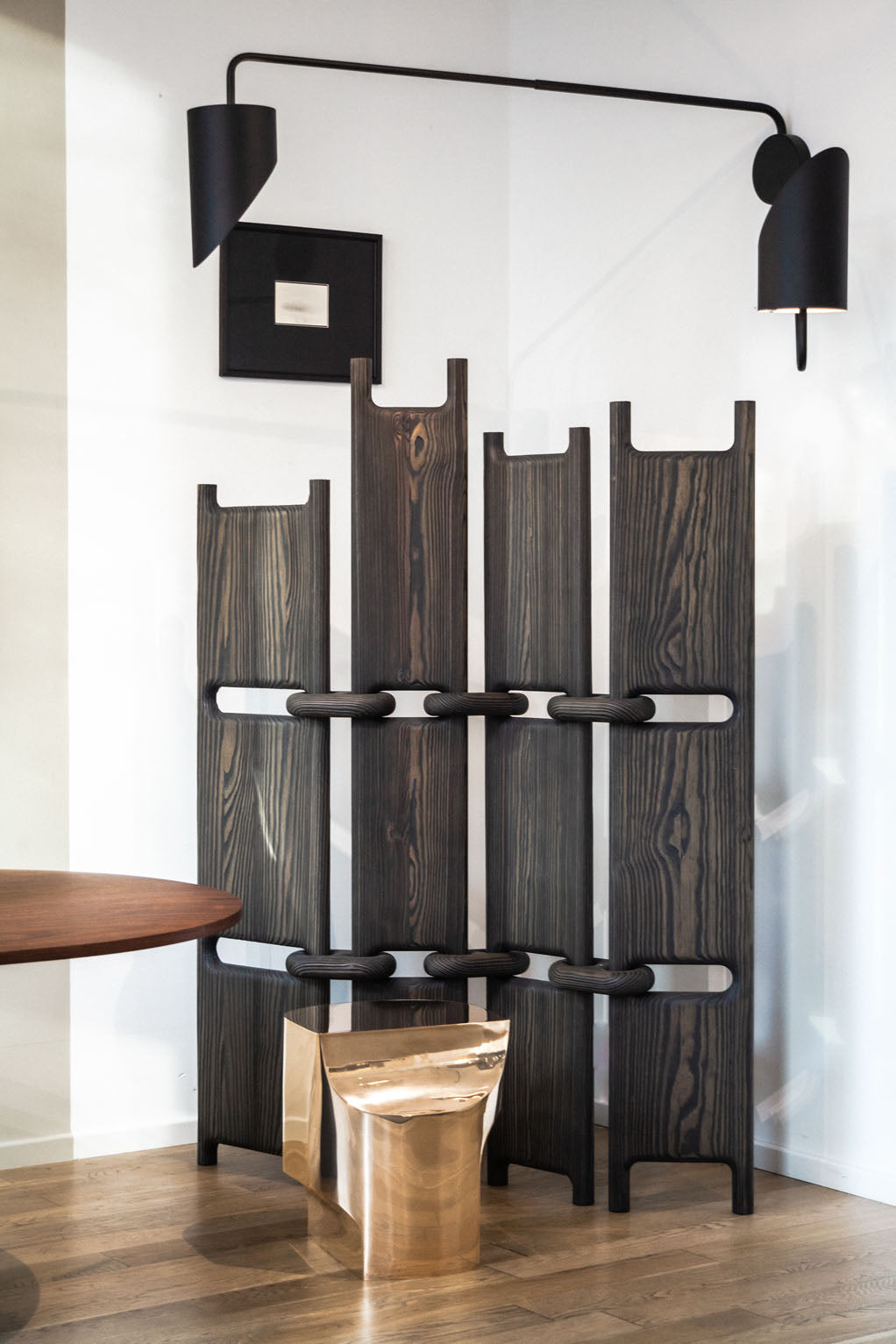
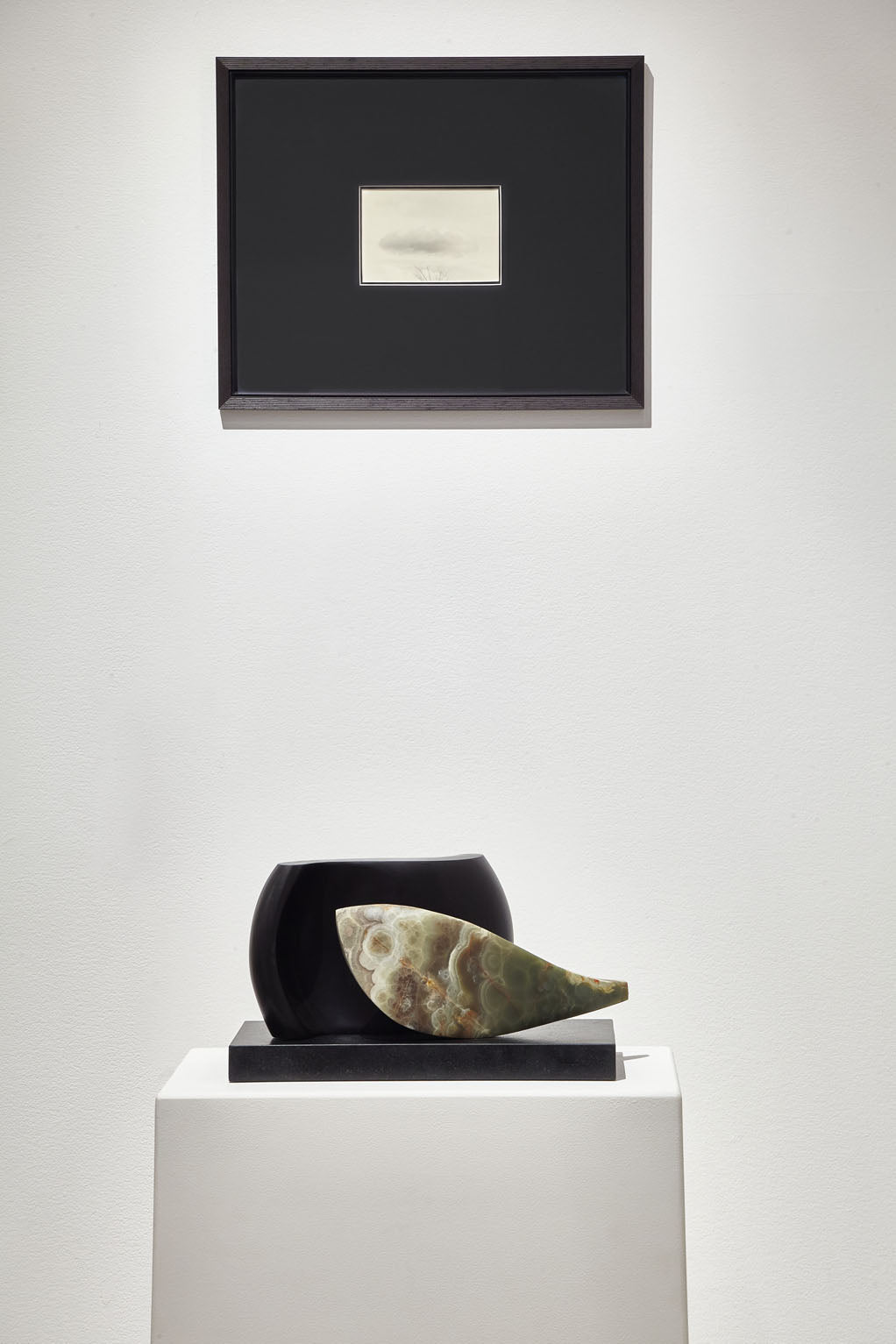
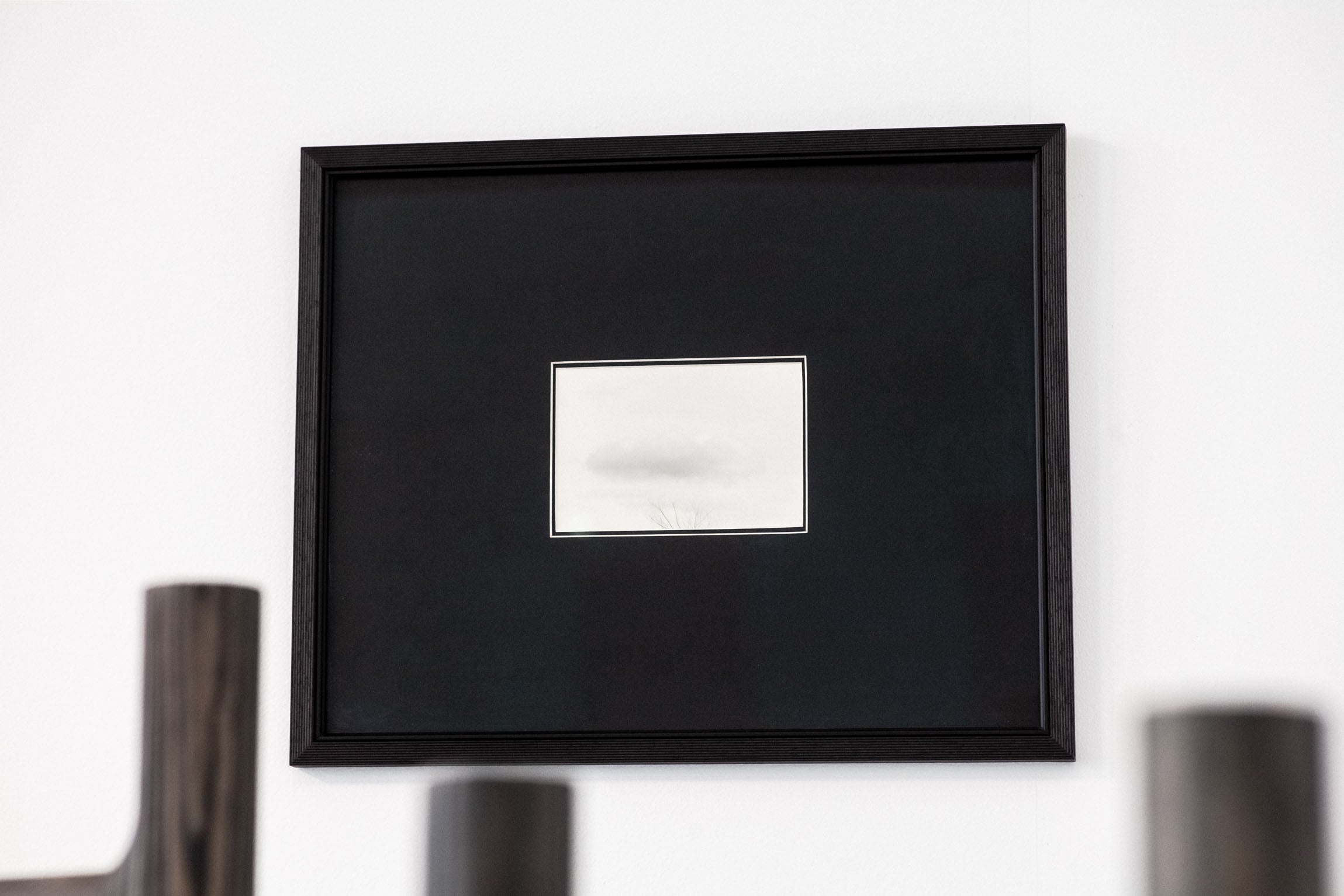
In the Bonsai series, Yamamoto seeks to express the essence of a world in which the vast universe has been condensed into something small. To achieve this feeling, he photographs bonsai trees, traditionally regarded as symbols of Japanese beauty.


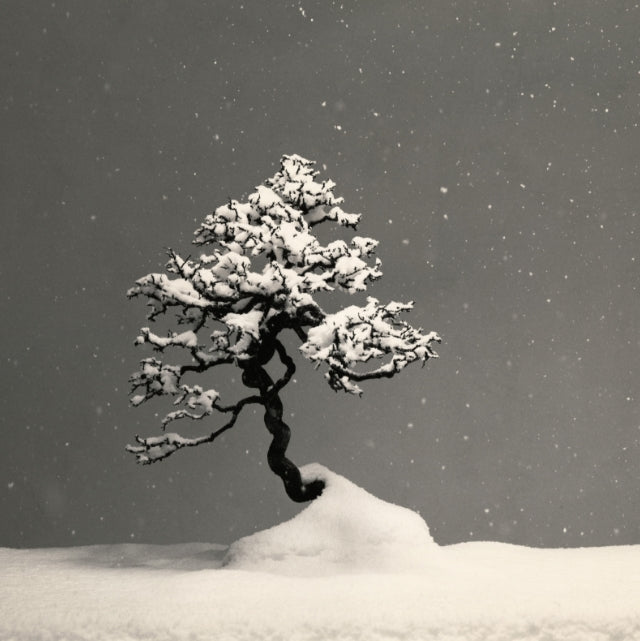
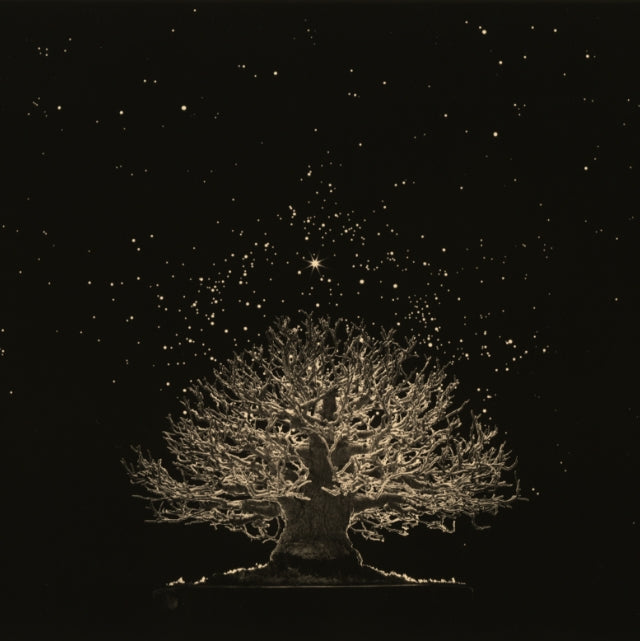
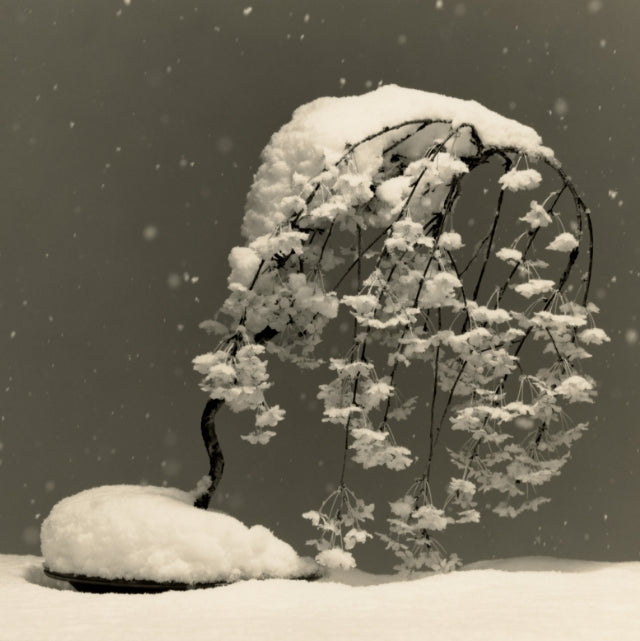
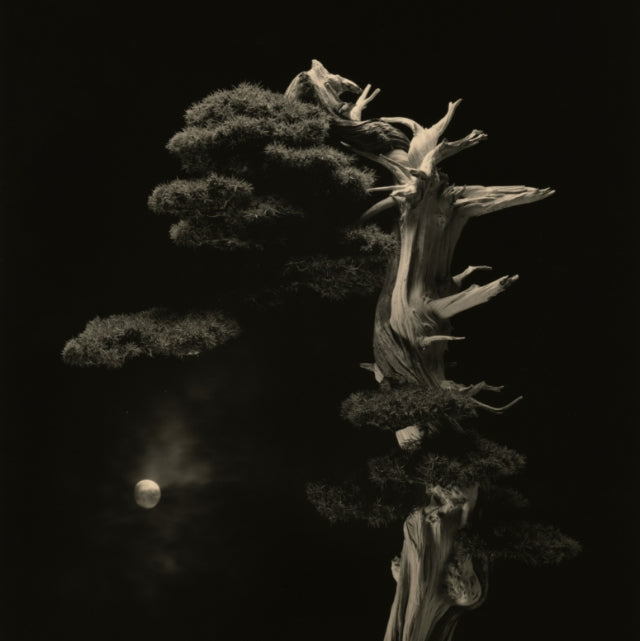
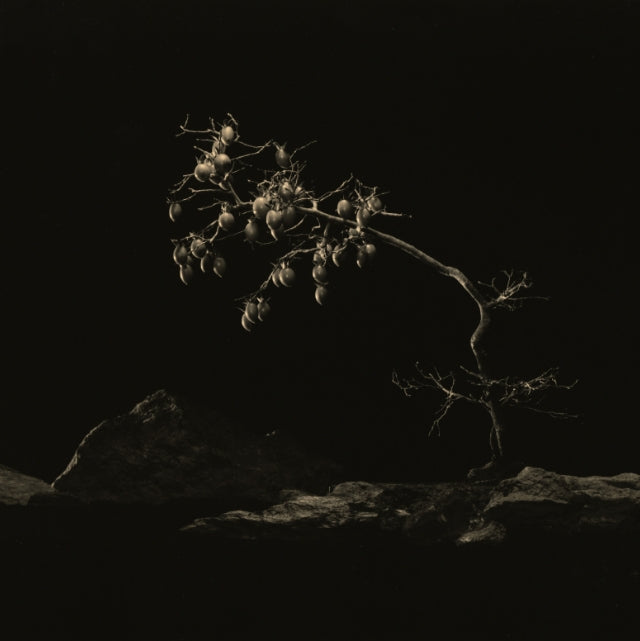
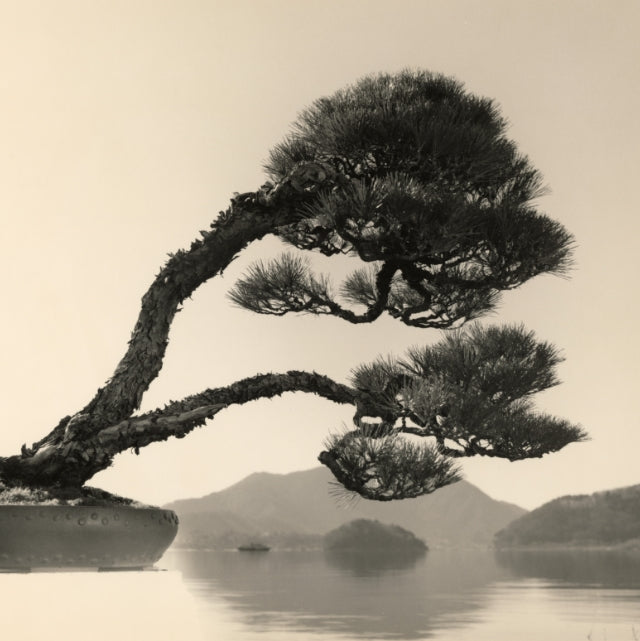
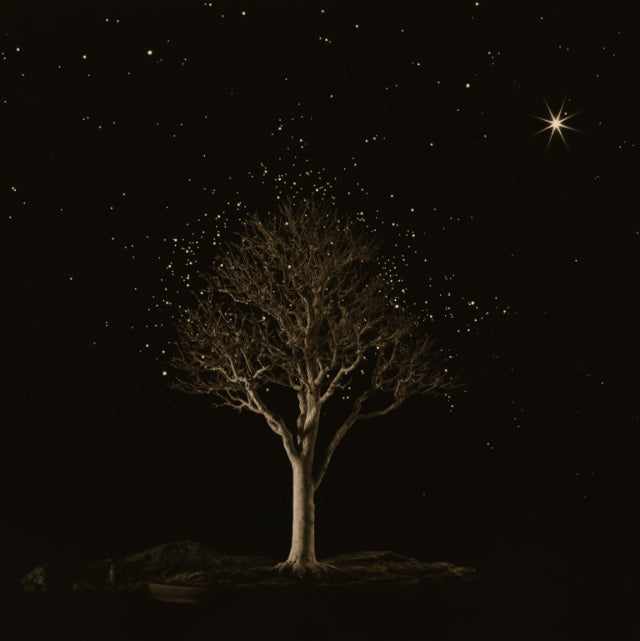
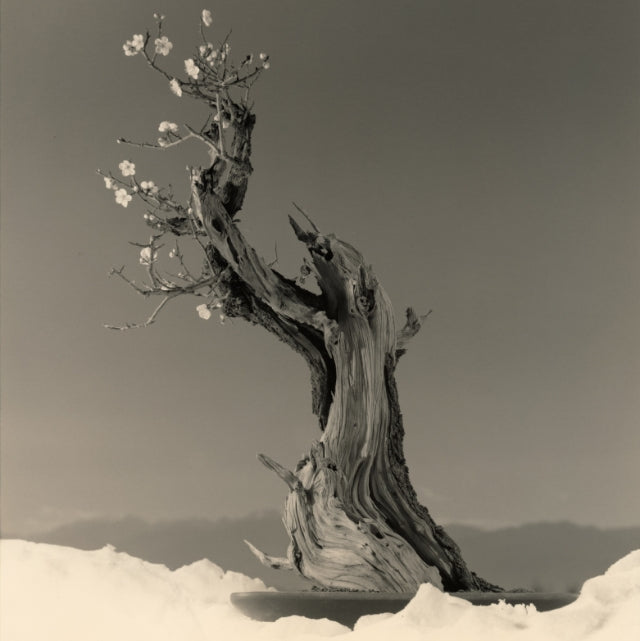
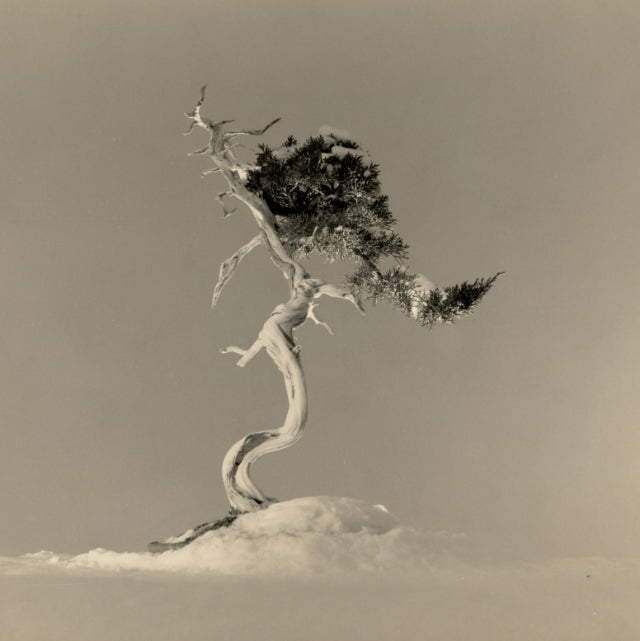

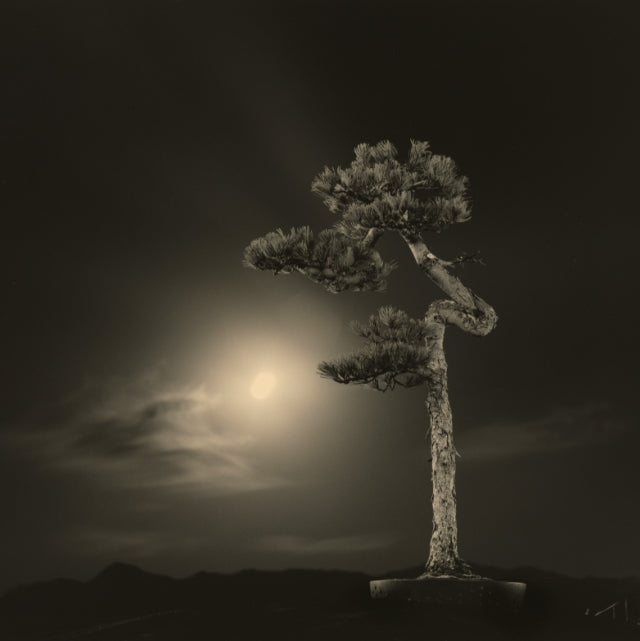
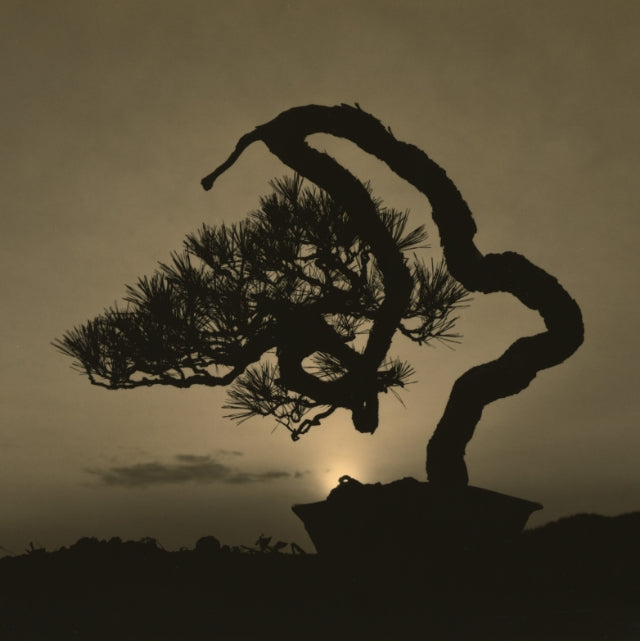
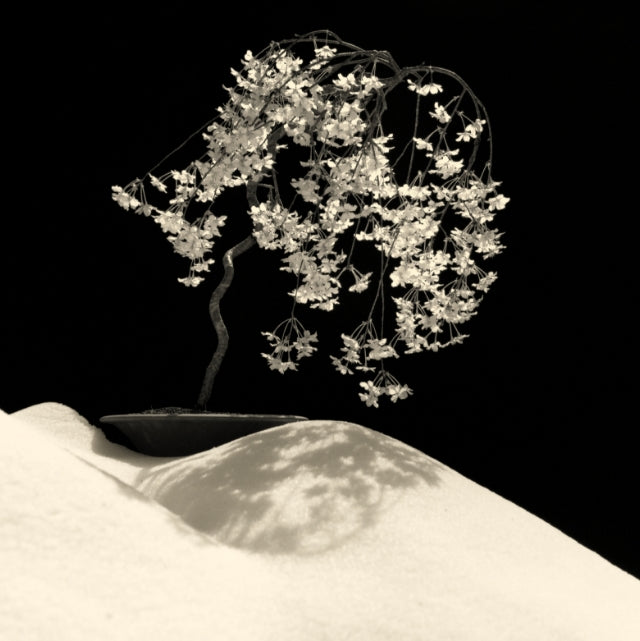
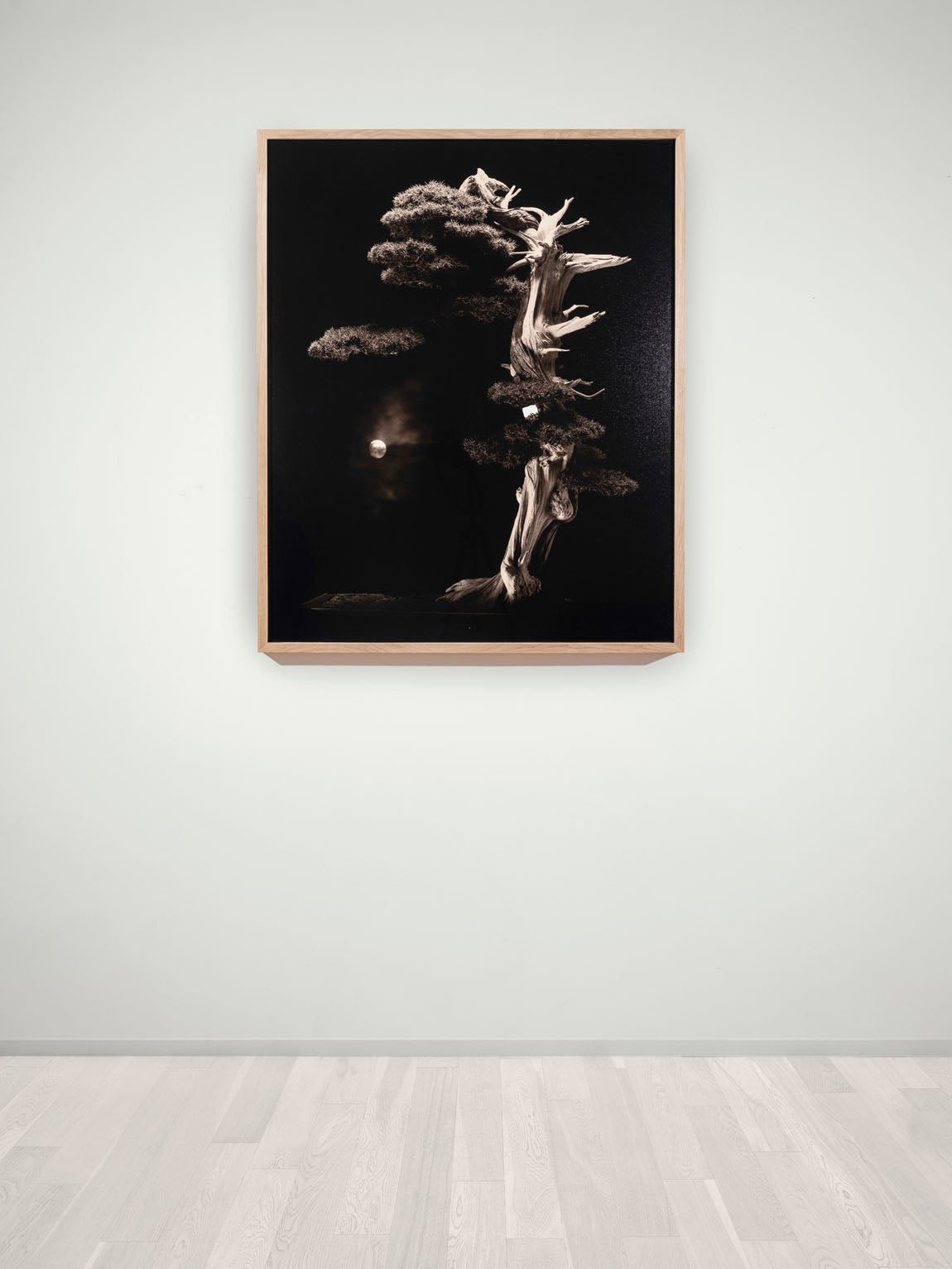
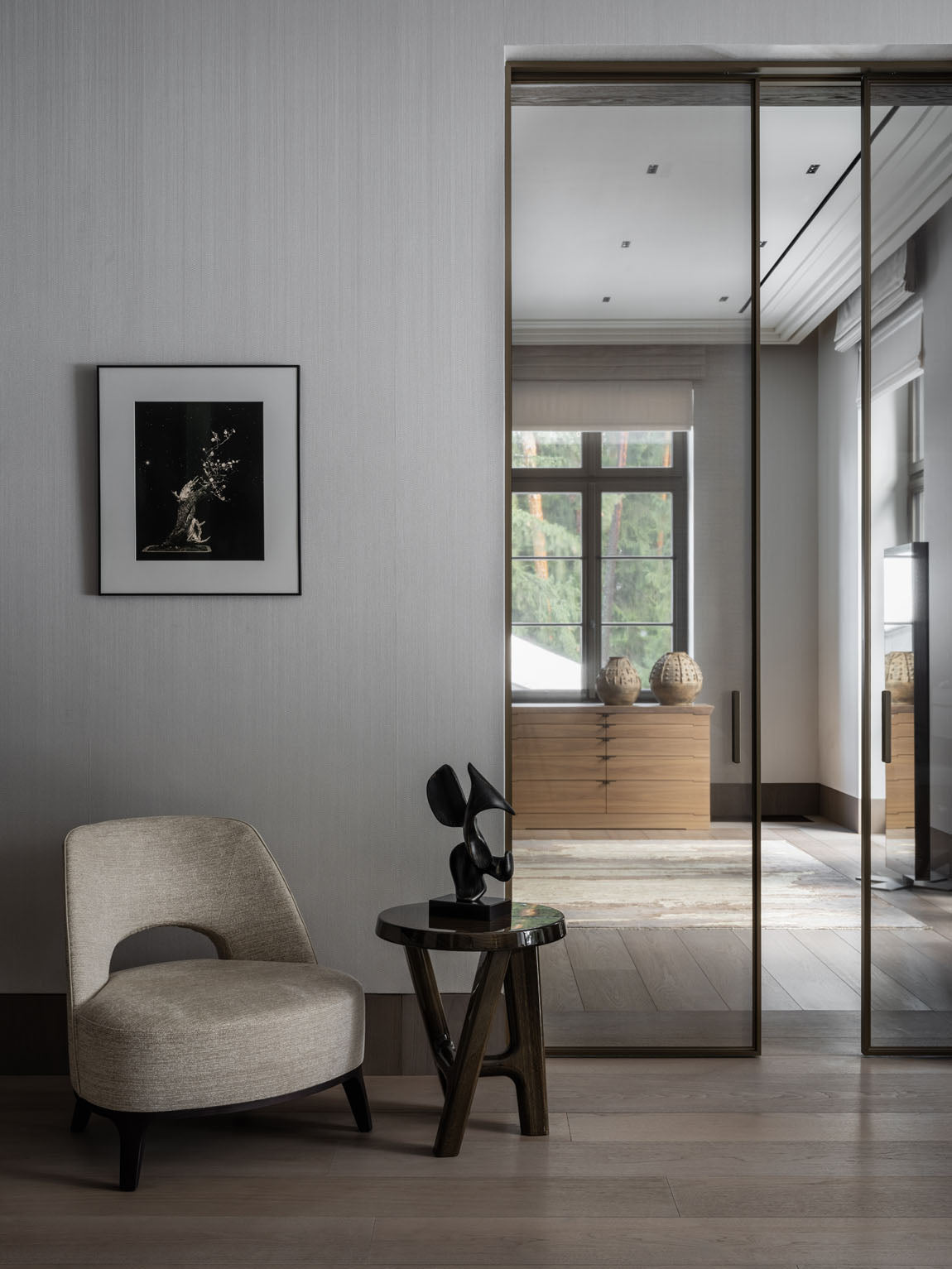
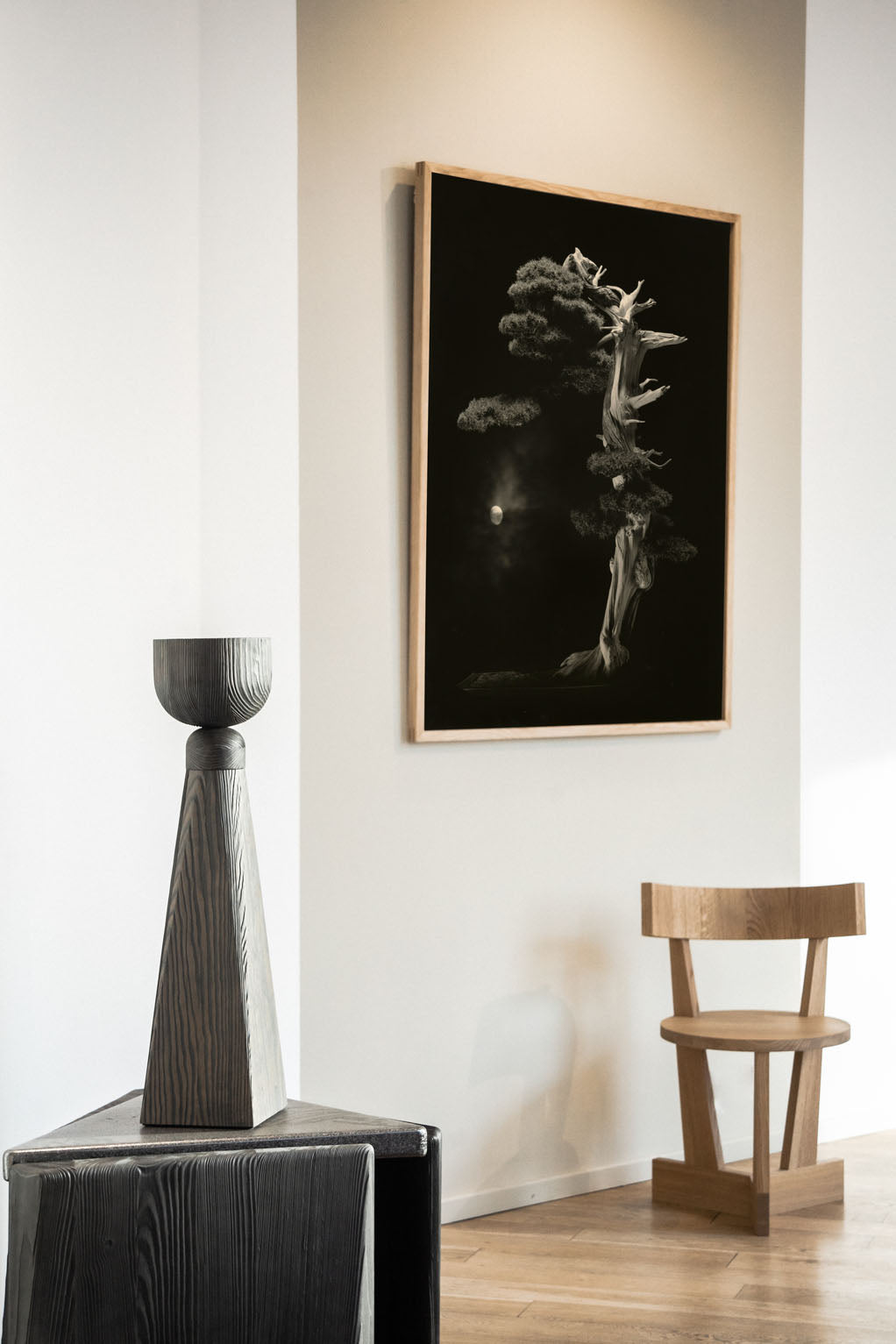
Creating works using silver gelatin prints as a medium, I have always felt a certain limitation in photographs produced on paper. In other words, I have been somewhat disappointed and dissatisfied with the range of photographic expression achievable through silver gelatin prints. To compensate, I tone and hand-process my silver prints.
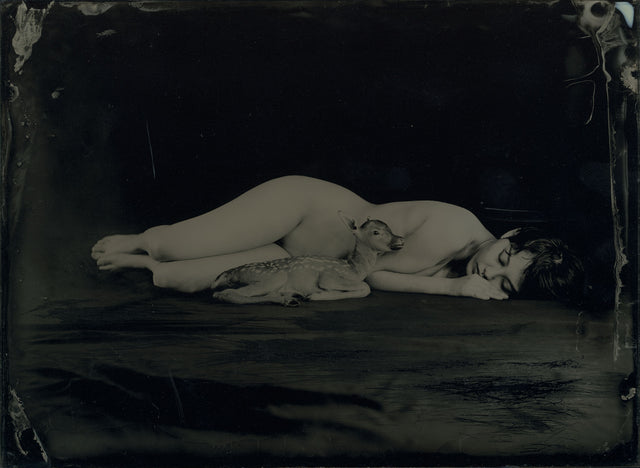
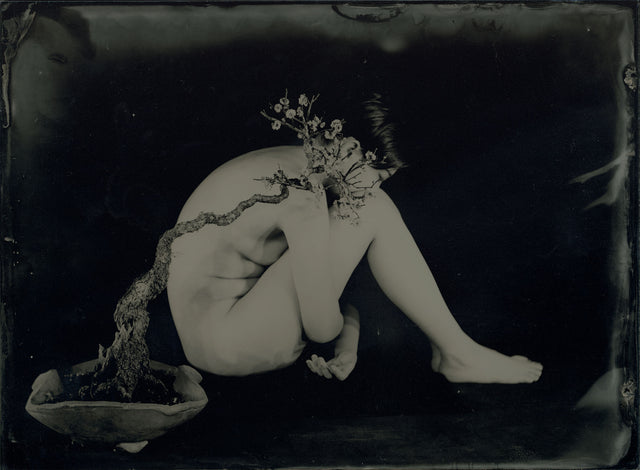
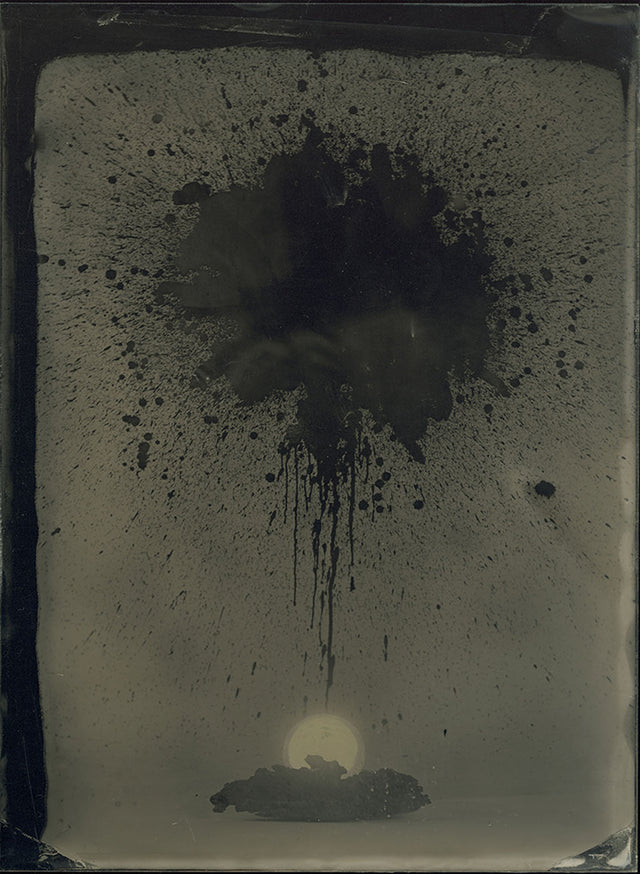
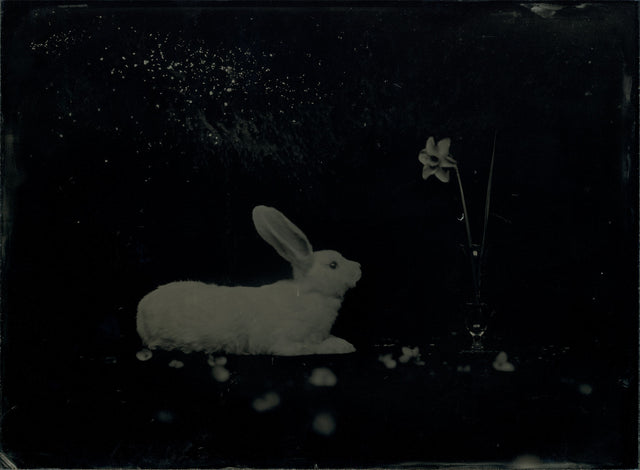
Yet I still wondered if a more perfect method existed, and it was then that I encountered the wet collodion process. The resolution of images produced with collodion, used as a light-sensitive emulsion, rivals the high resolution of contemporary digital technology. For me, the most important aspect is that glass serves as the support. The transparency of glass imparts depth to the projected image. It feels as if you are peering into another world through a small window.
I usually aim to convey how my subject exists within its space, rather than capturing the intrinsic value of the object itself. In other words, I am interested in the beauty of the object as it exists within a particular space, and I strive to express that space as an integrated whole.
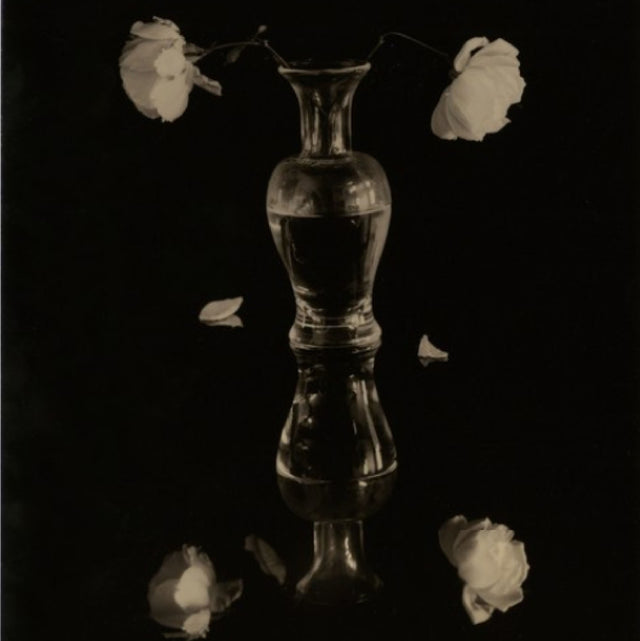
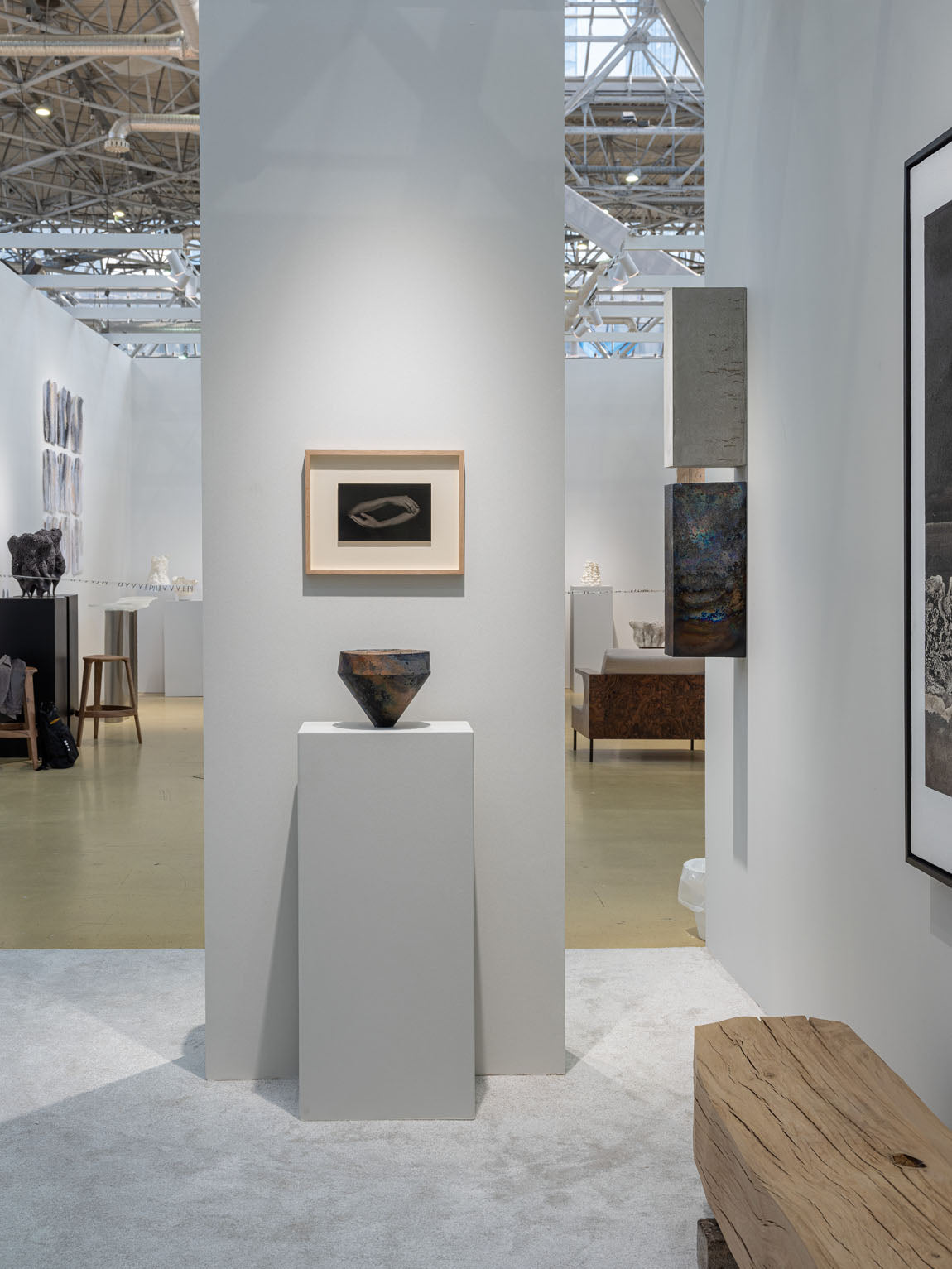
Ambrotype — a unique and rare photographic technique that was popular in the second half of the 19th century. Unlike modern digital photography, ambrotypes are created on glass or metal plates, producing singular, high-contrast images of unmatched character.


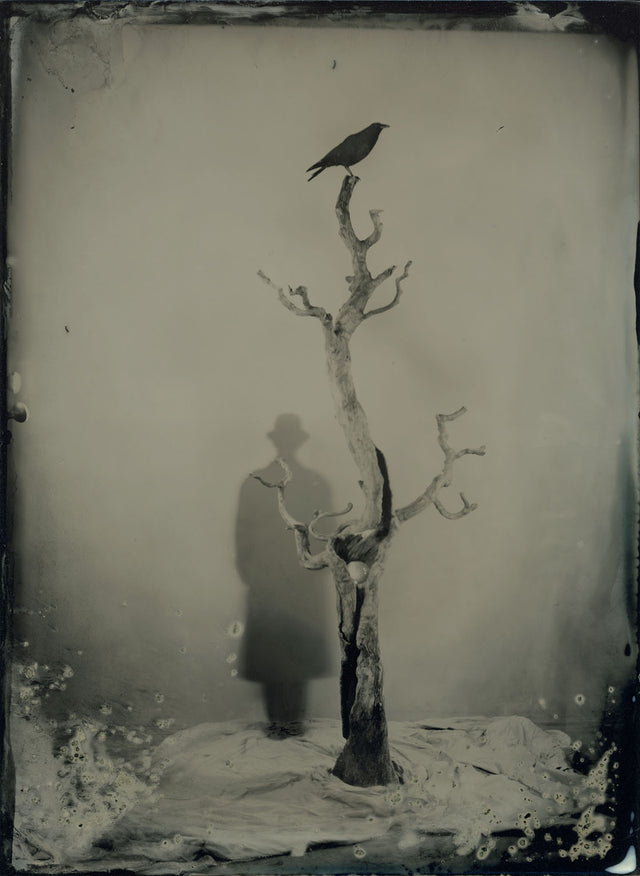
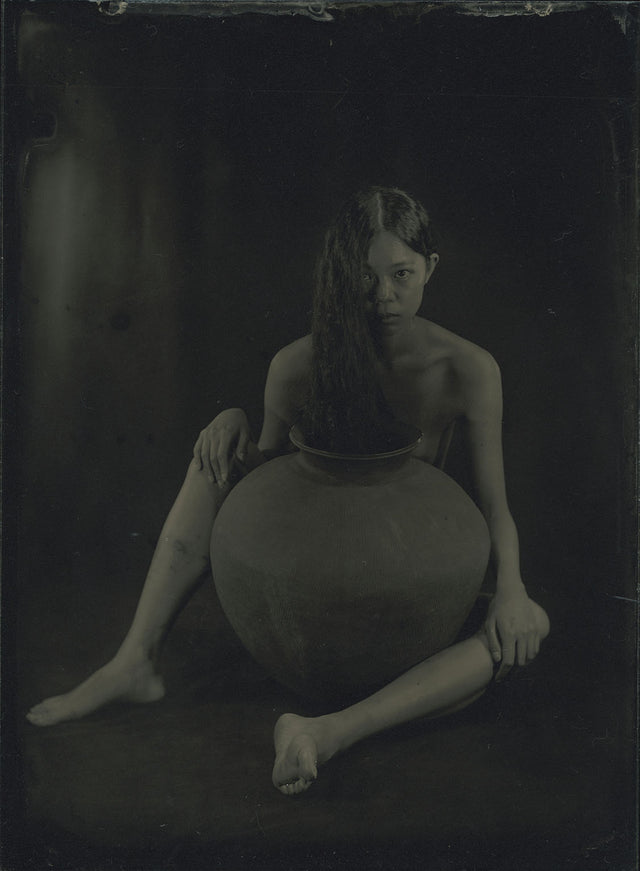
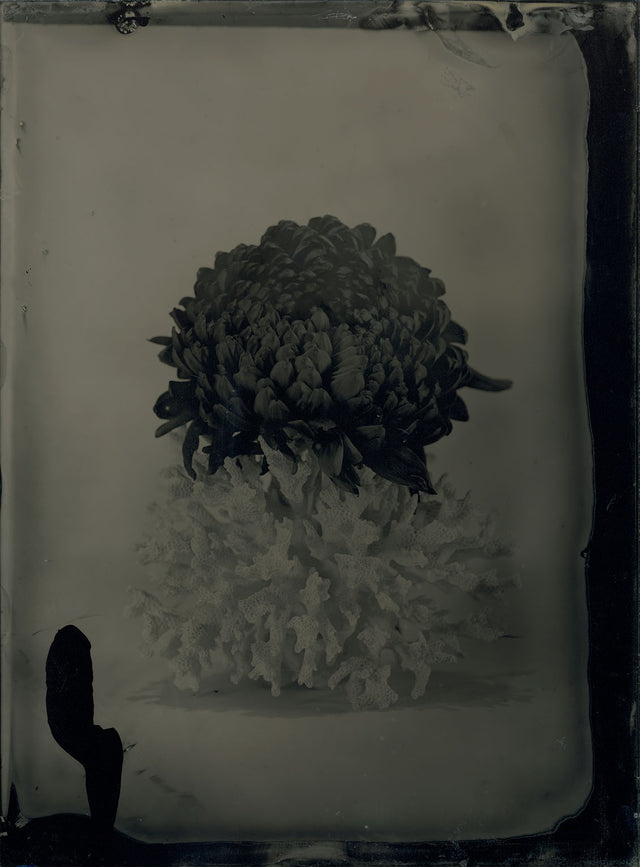
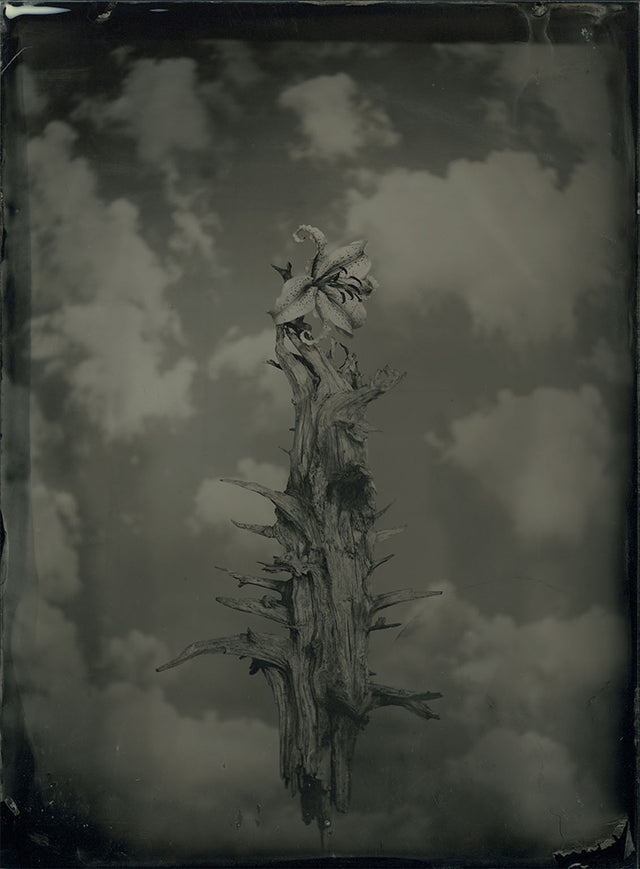
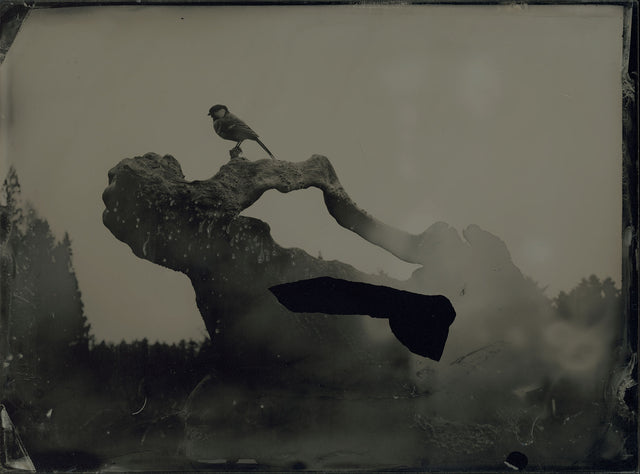
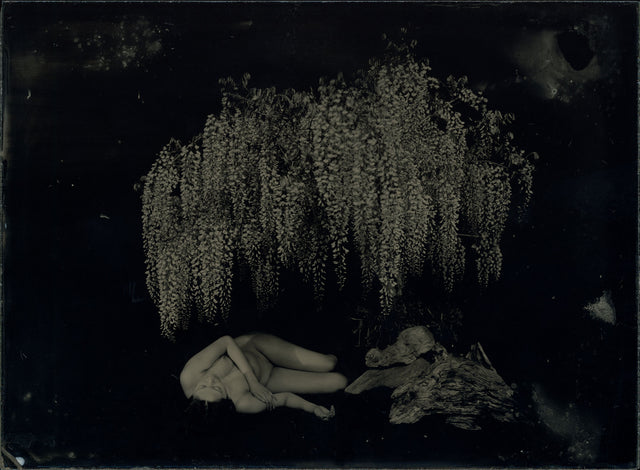
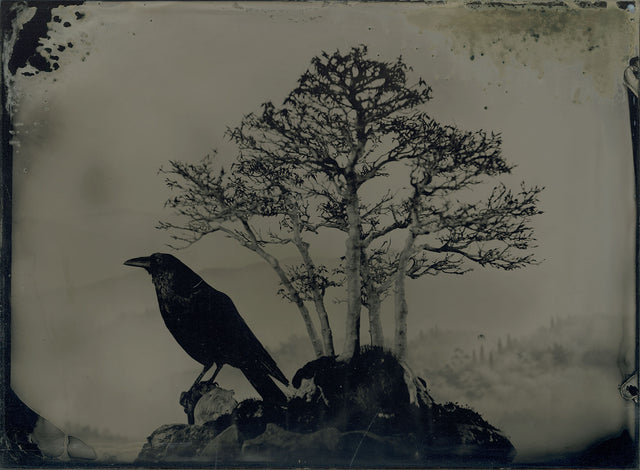
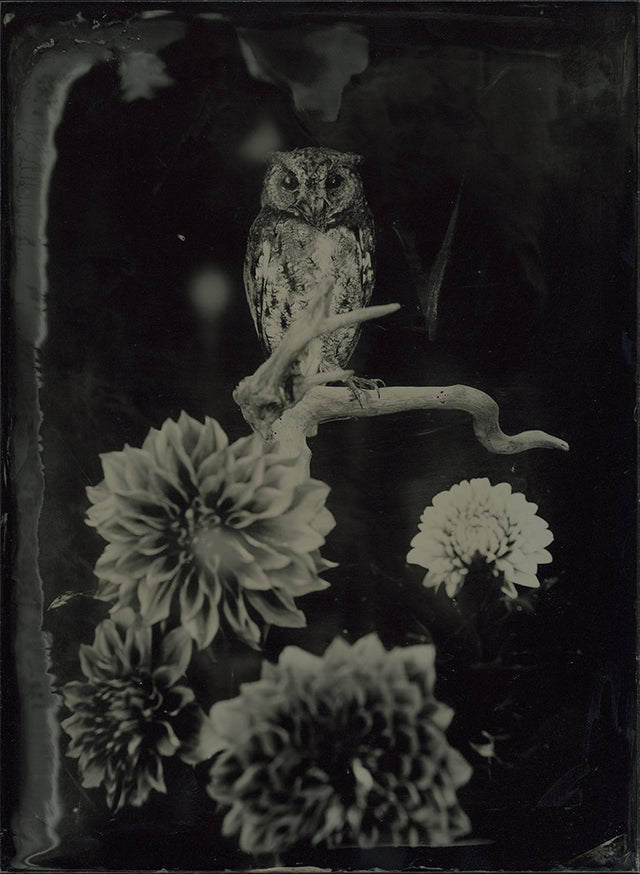
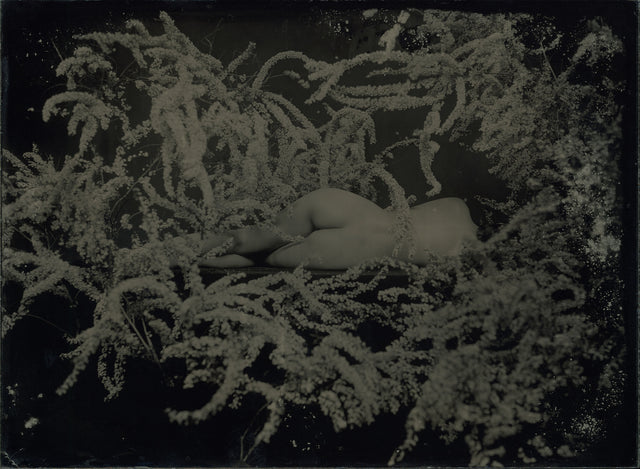
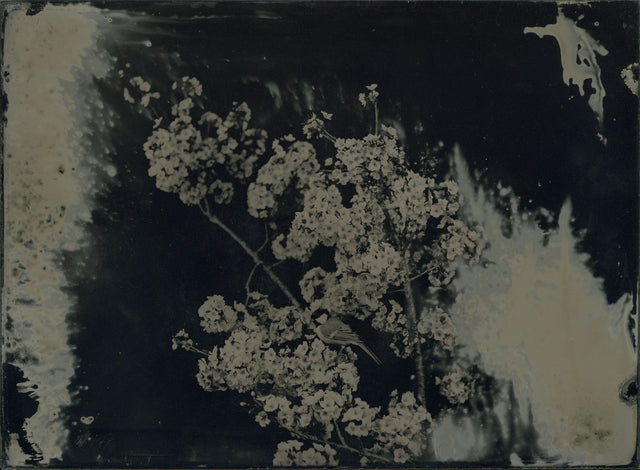
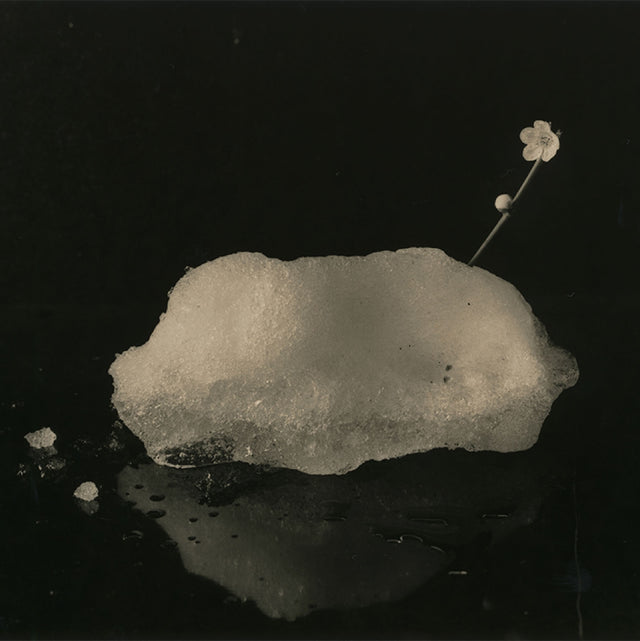
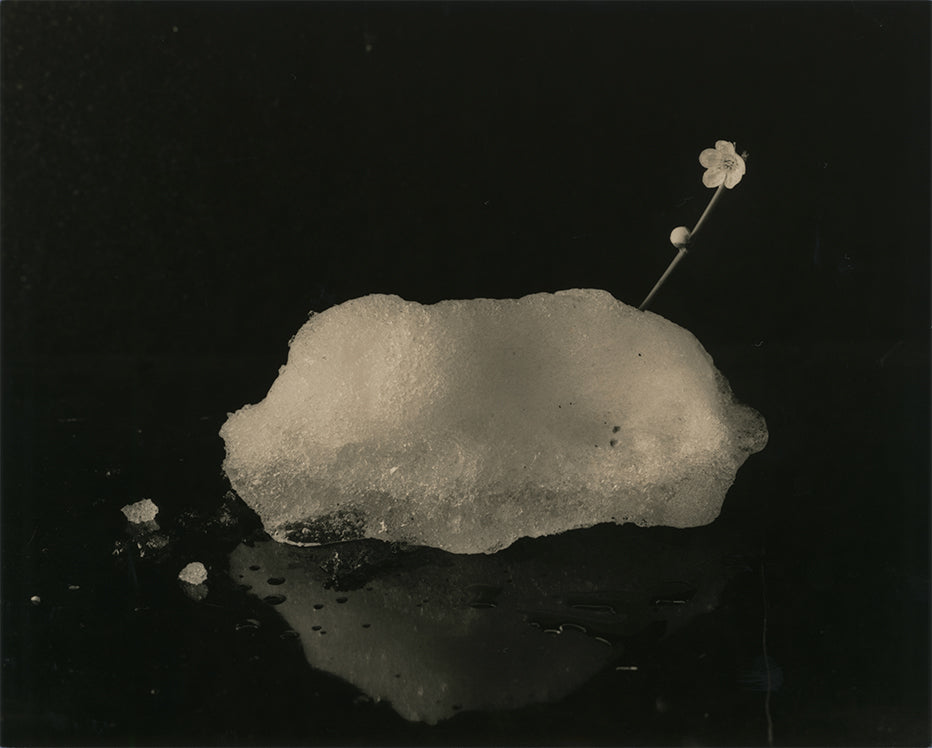
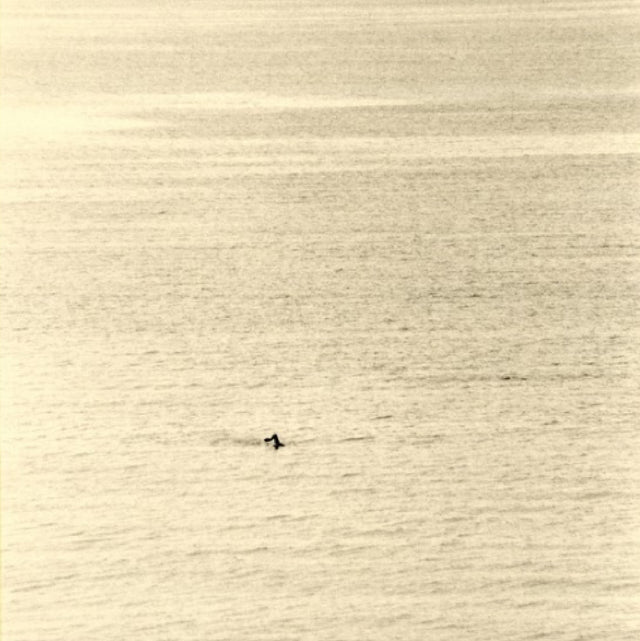
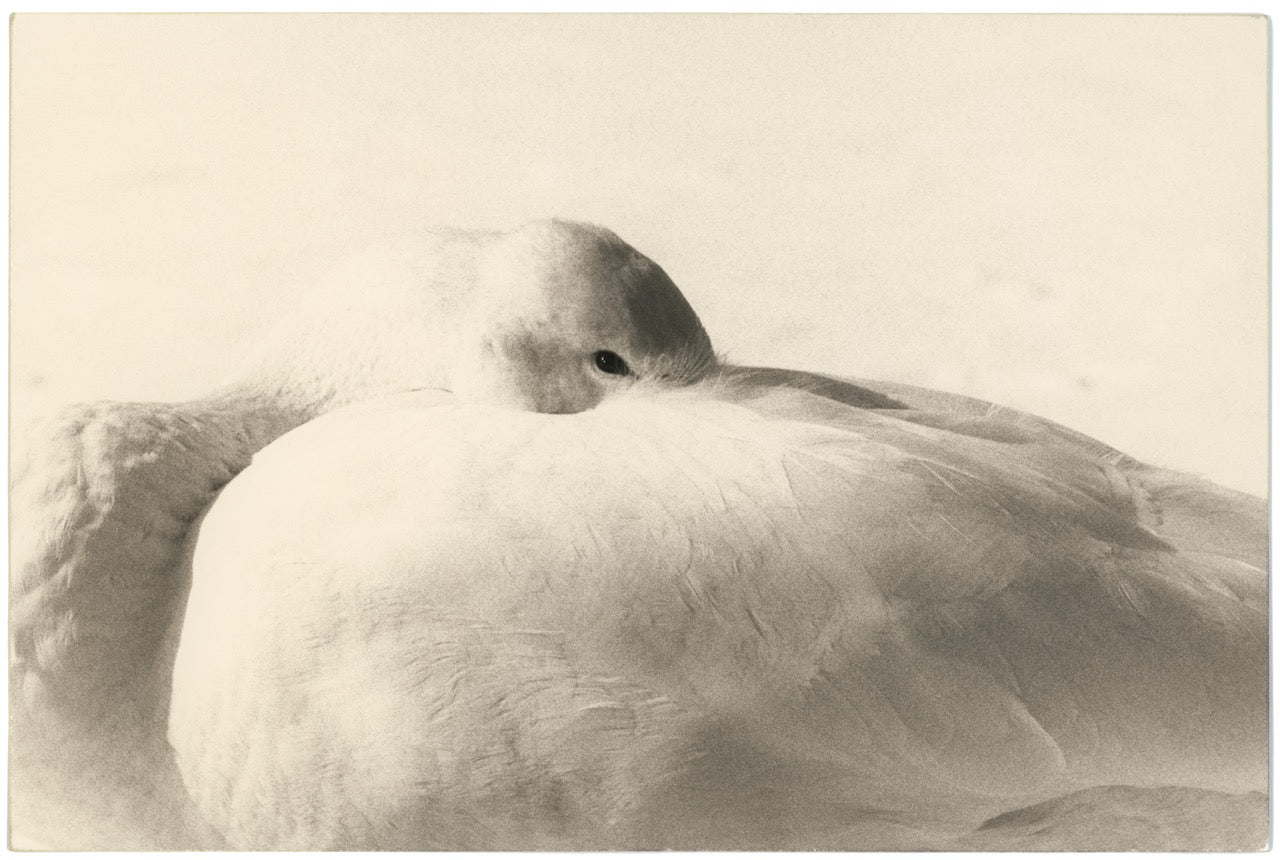
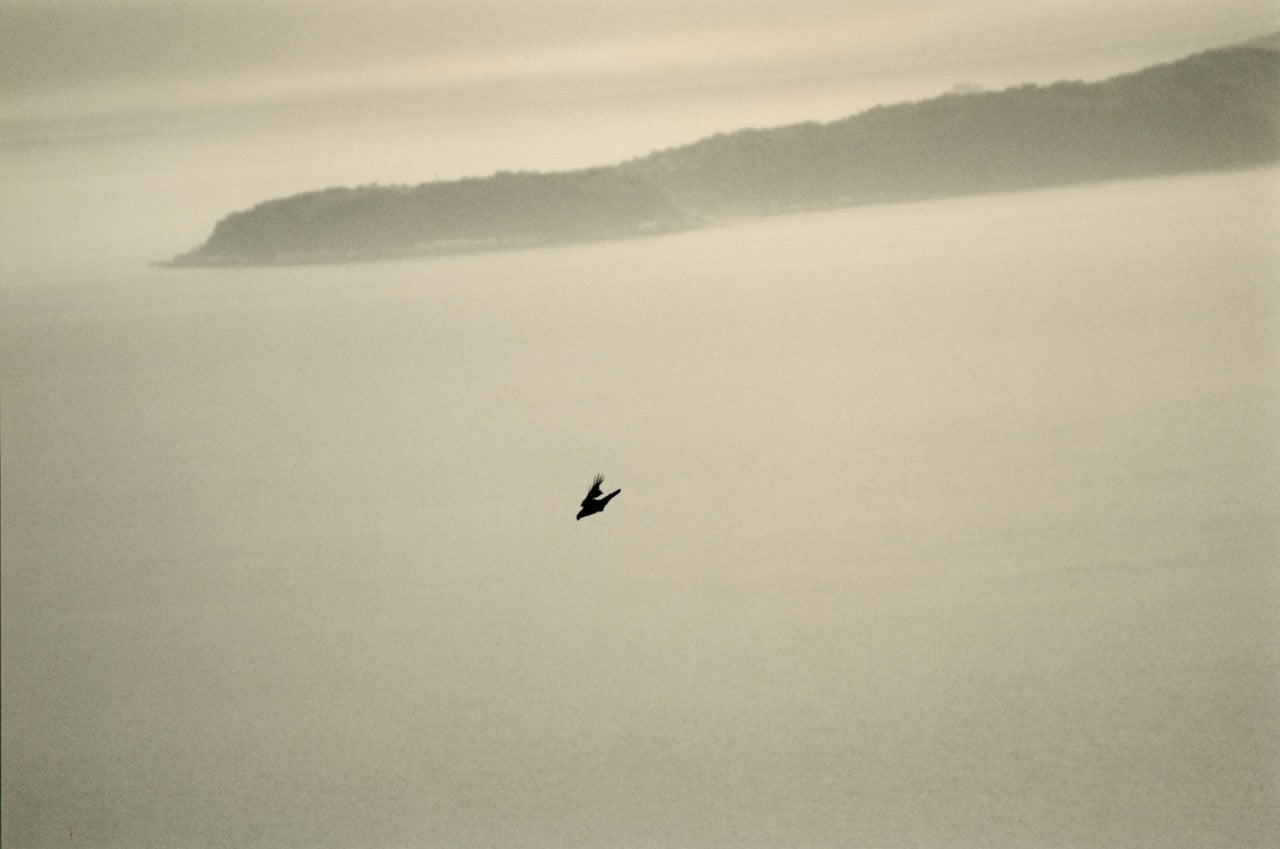
Kawa=Flow is a series in which Yamamoto explores the movements of nature, sometimes swift, sometimes imperceptible: a frozen stream of snow, the sway of grass and clouds, the stillness of a bird. Drawing on the poetic Japanese tradition, the photographer creates images that distill his observations of the natural world and reflections on the fleeting nature of our existence within it.


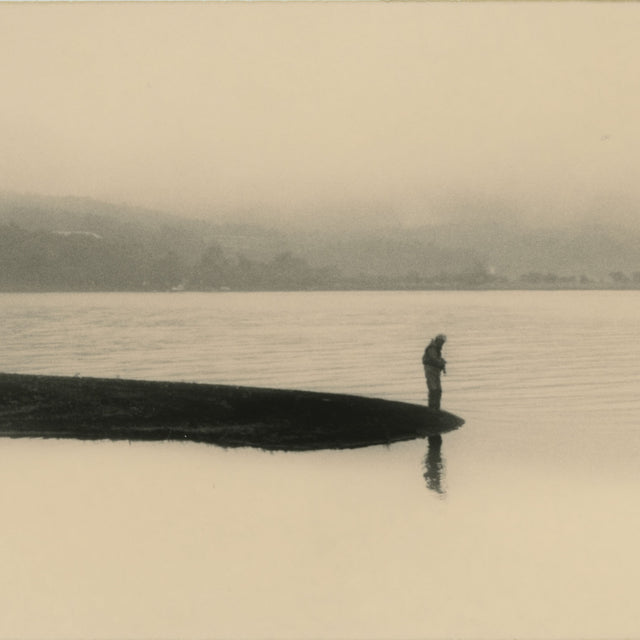
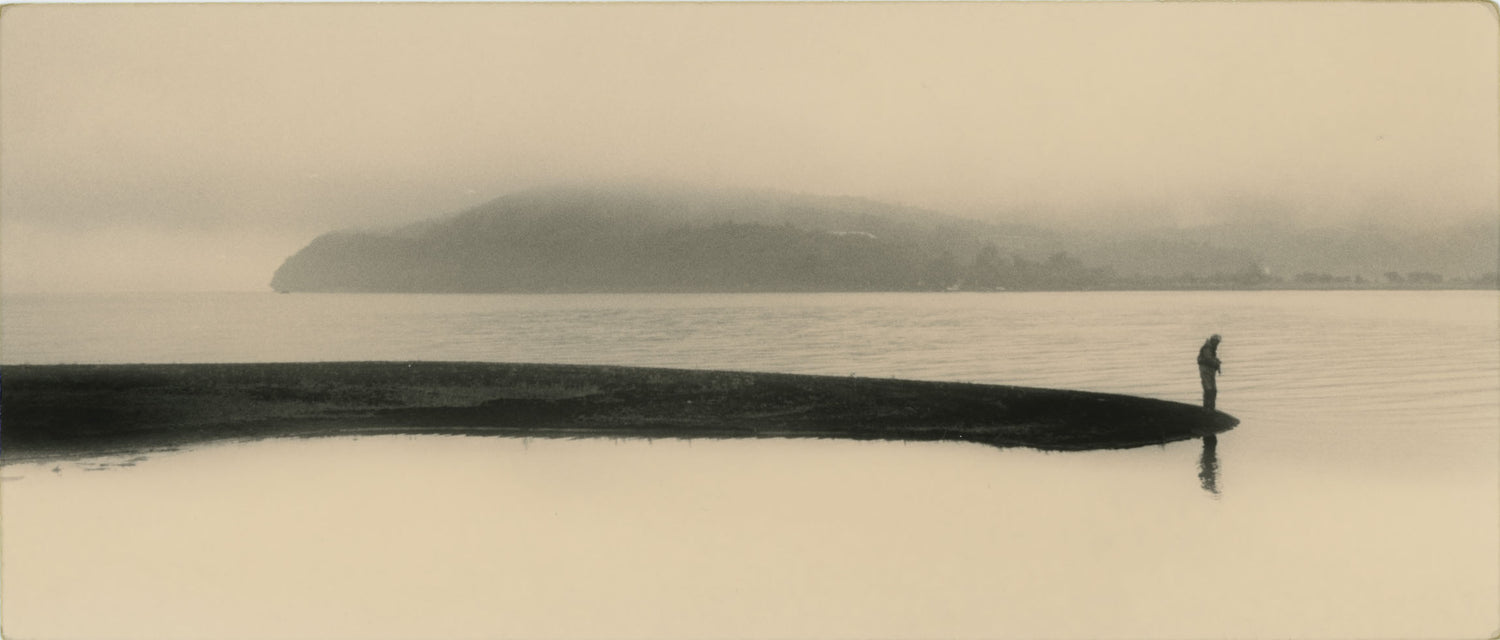
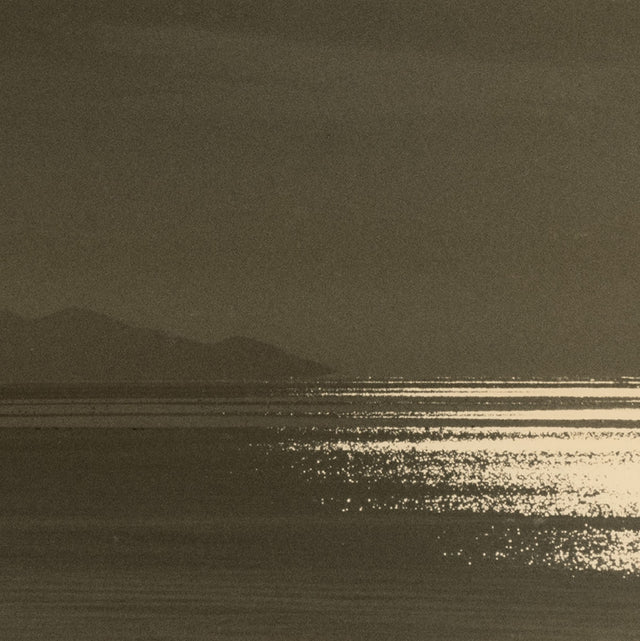
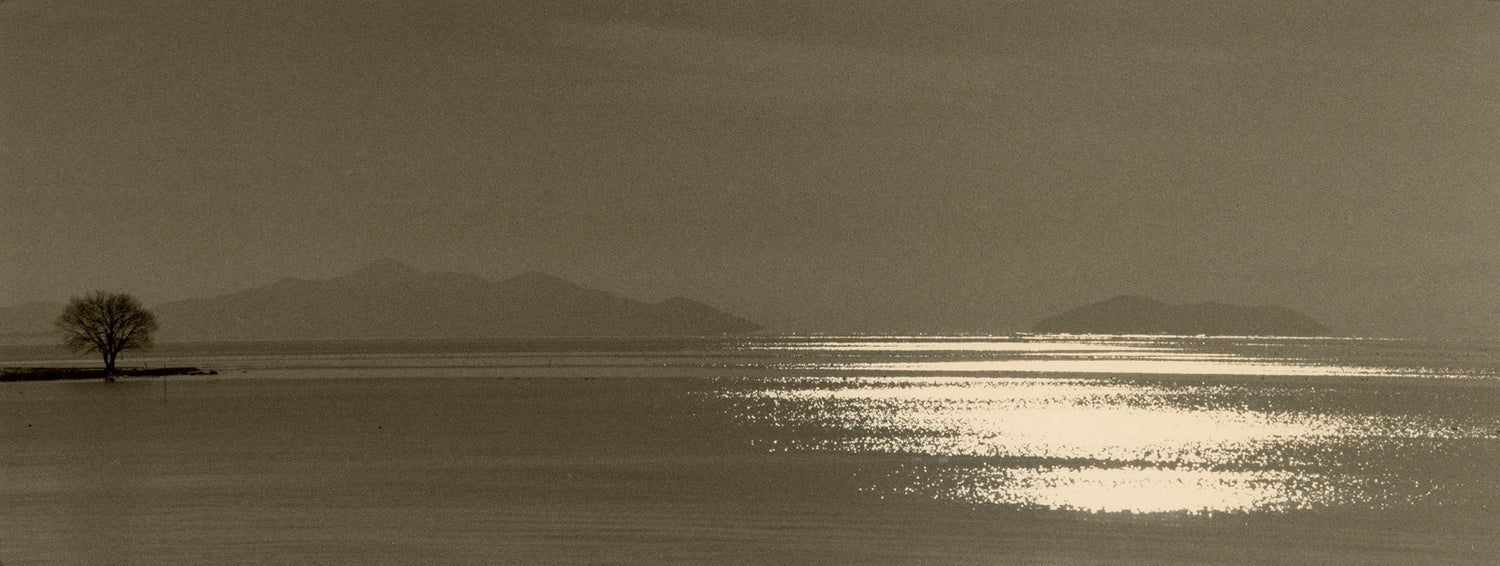
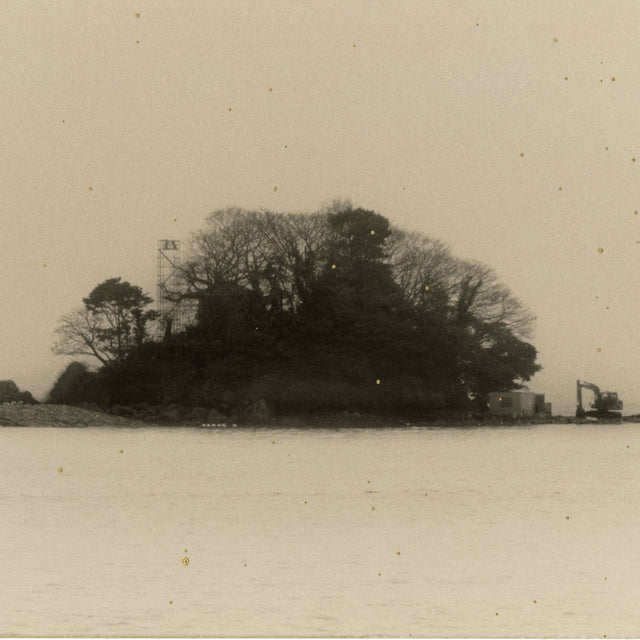
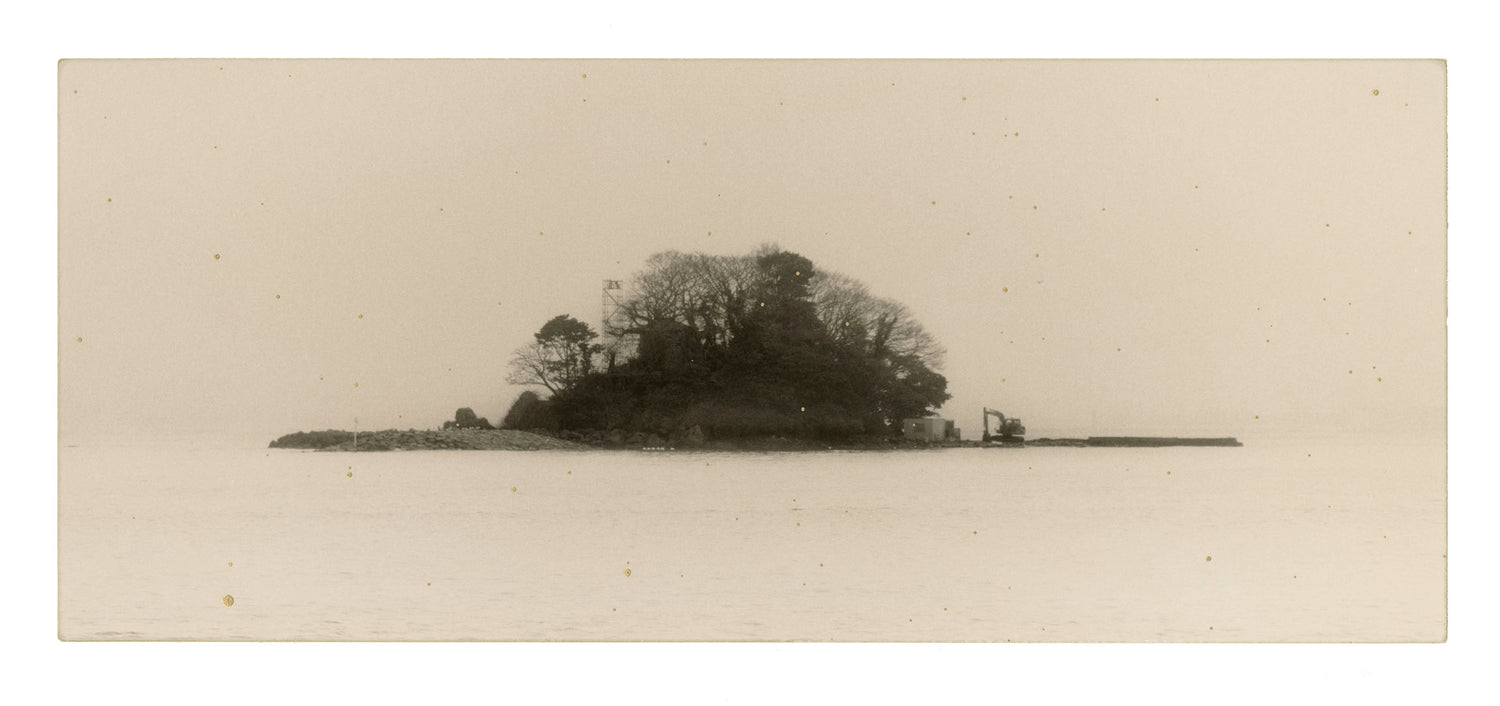
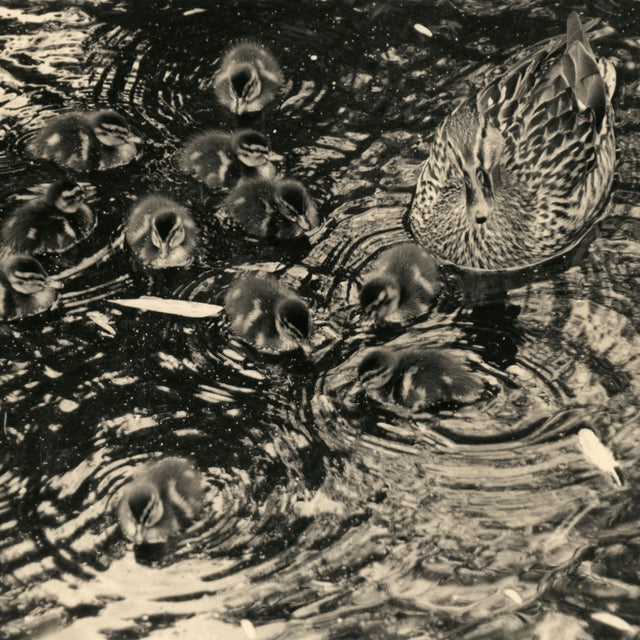
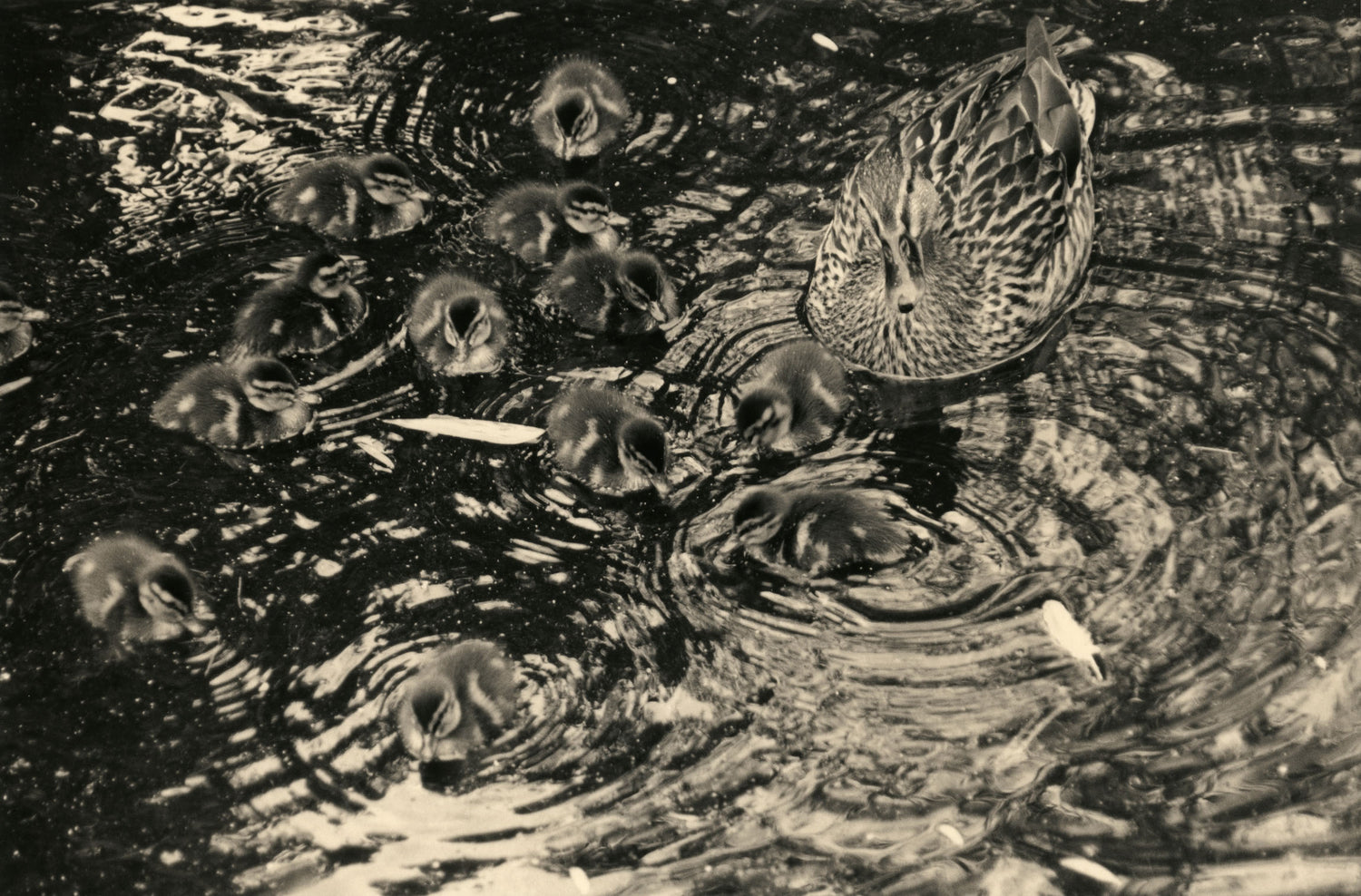
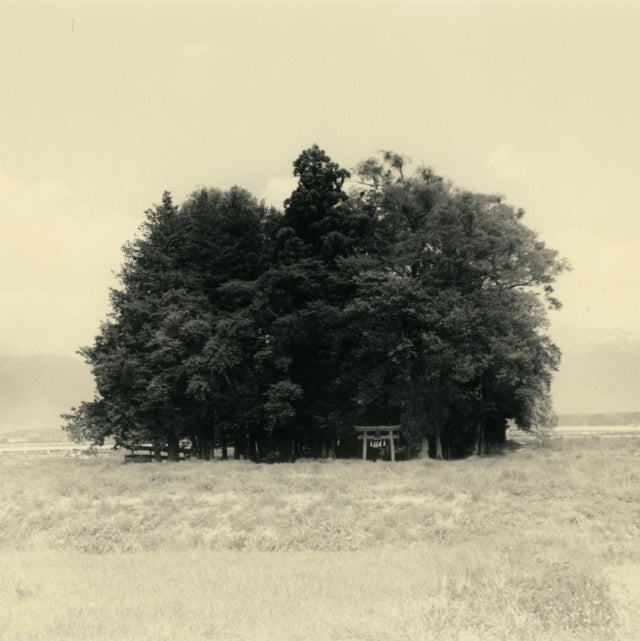
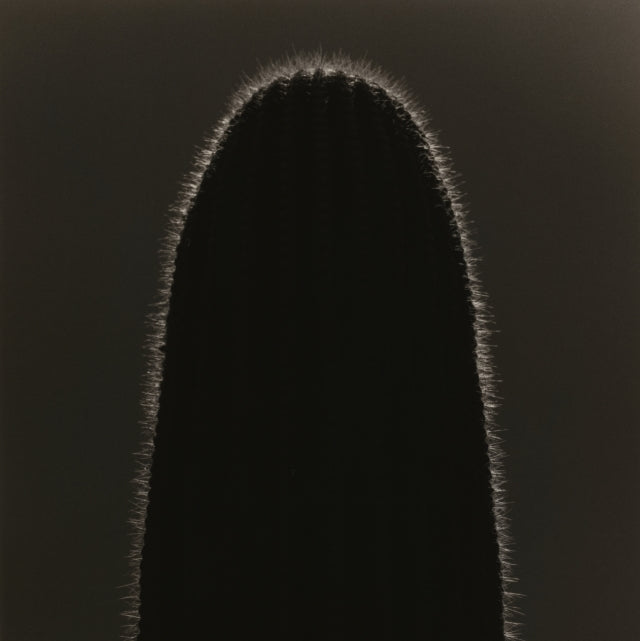
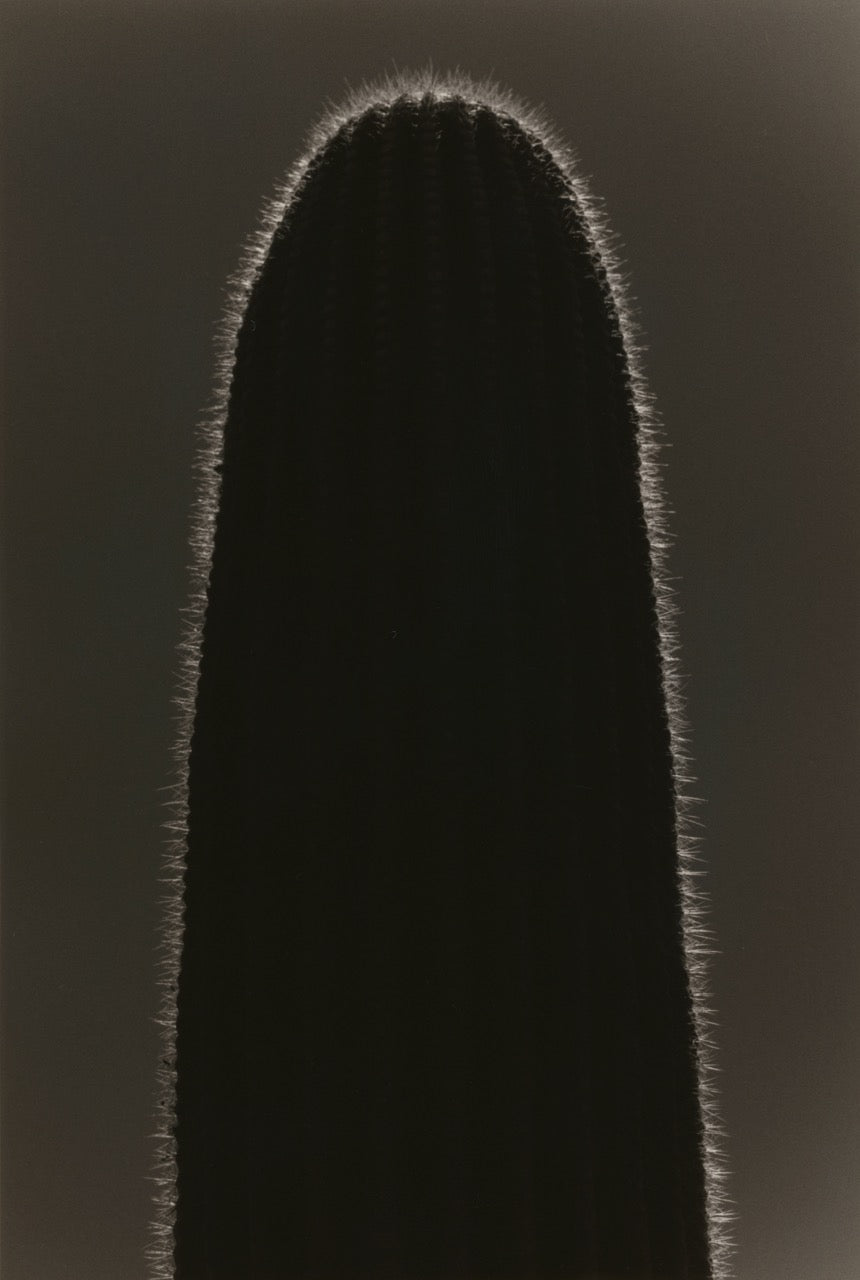
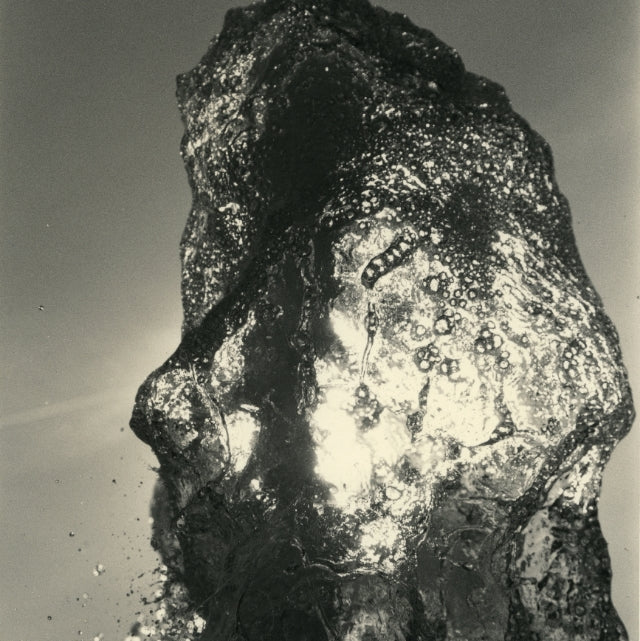
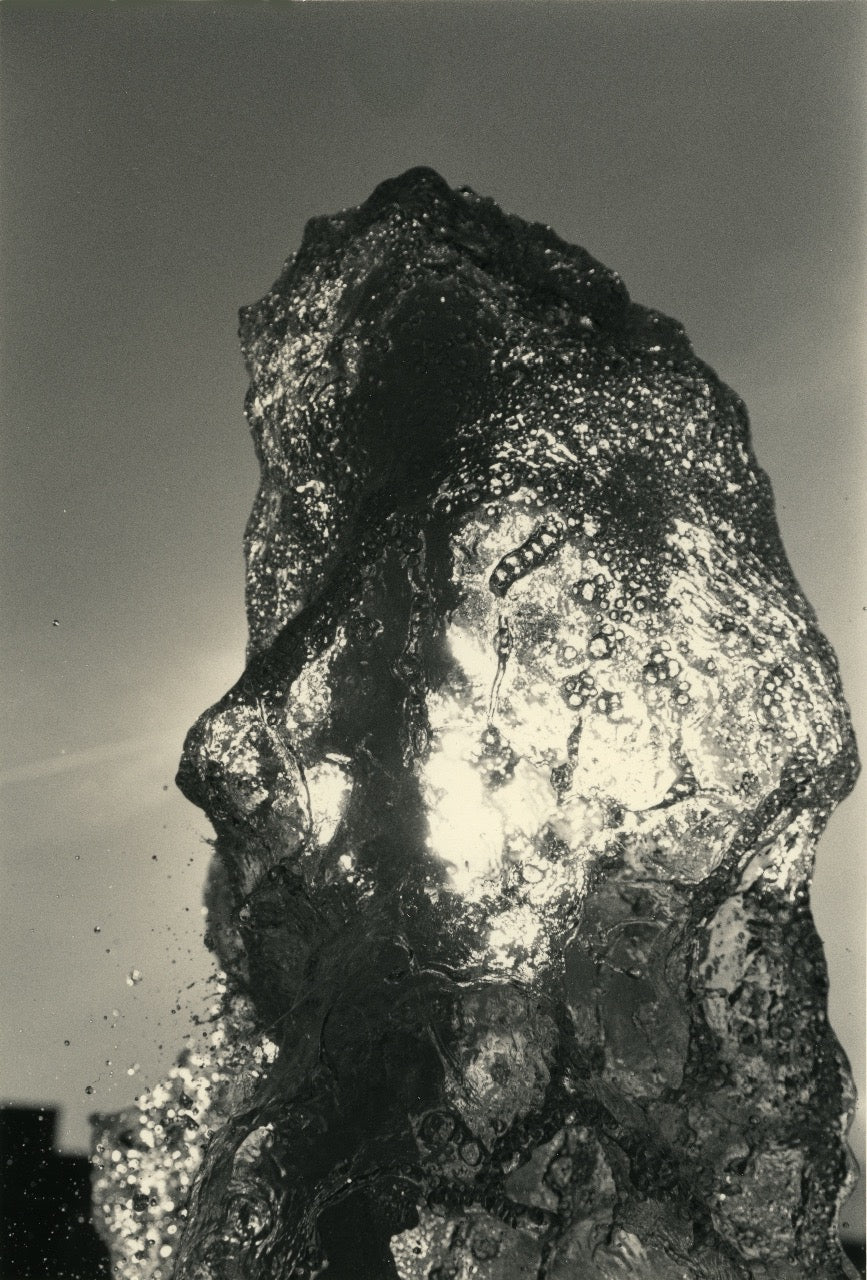
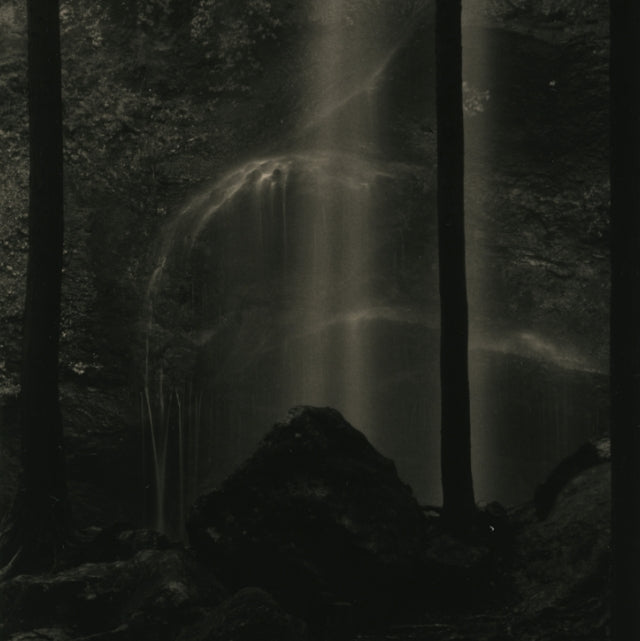
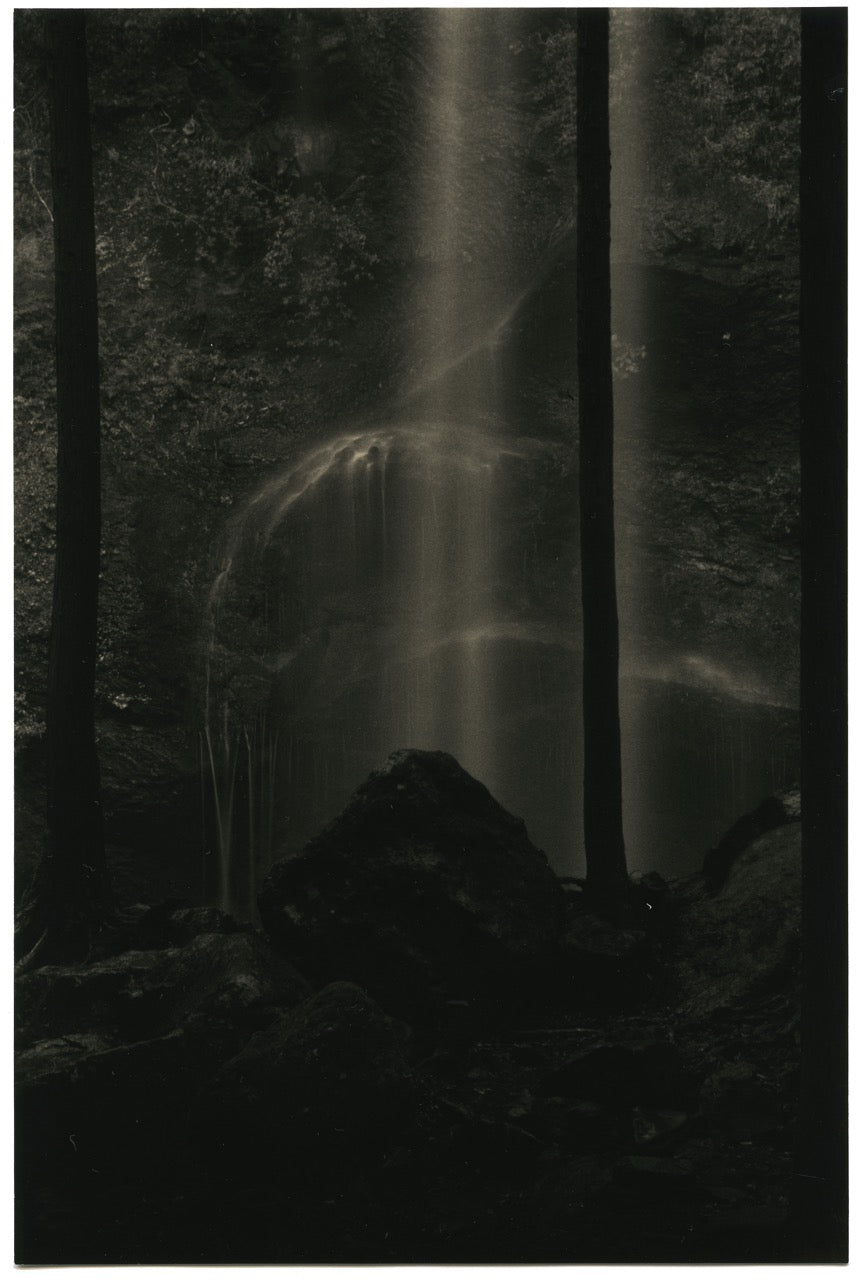
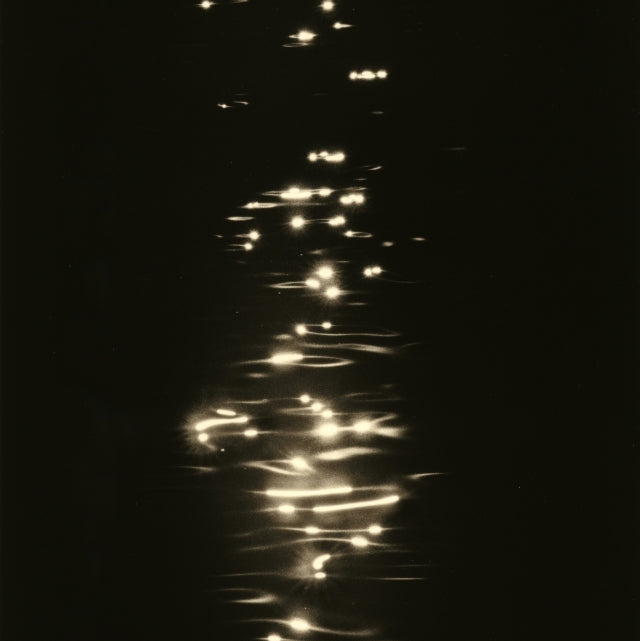
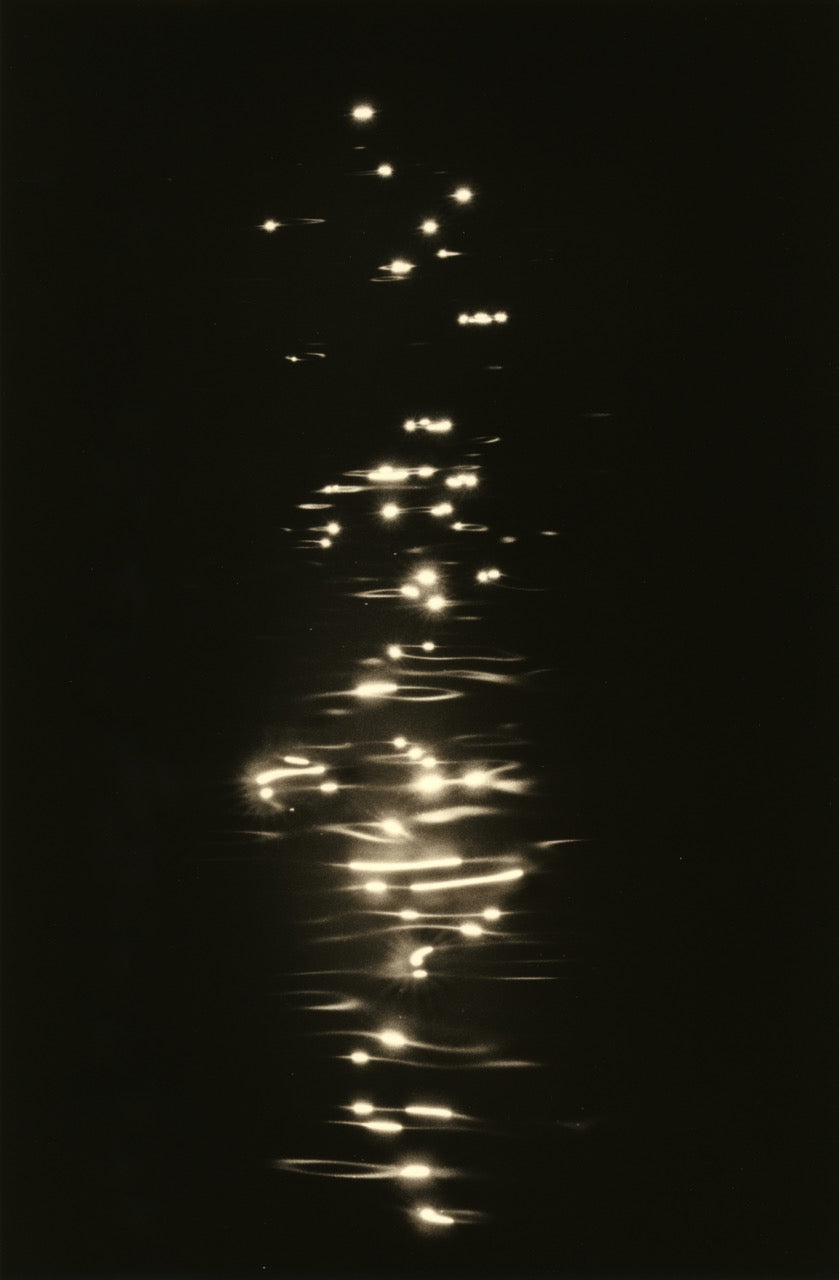
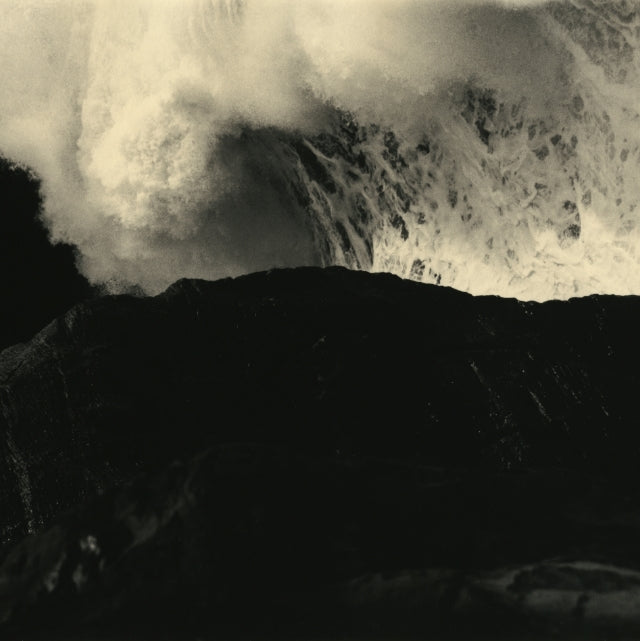
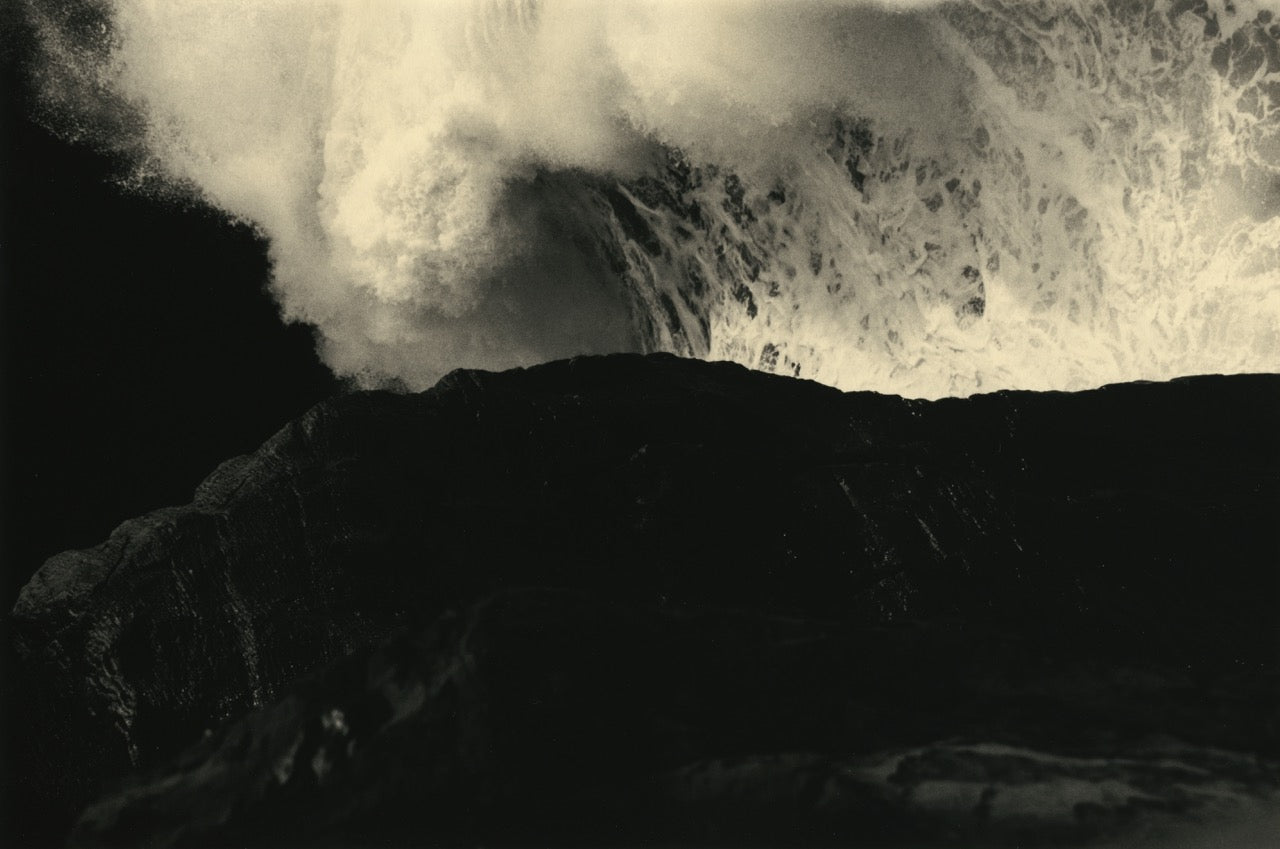
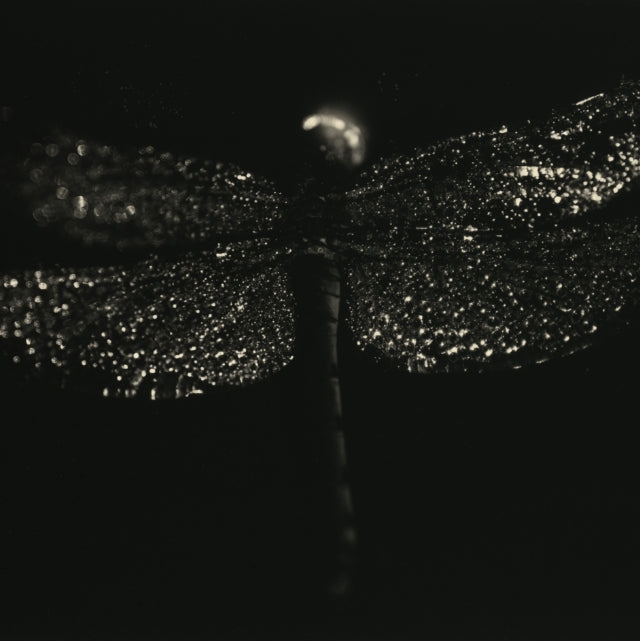
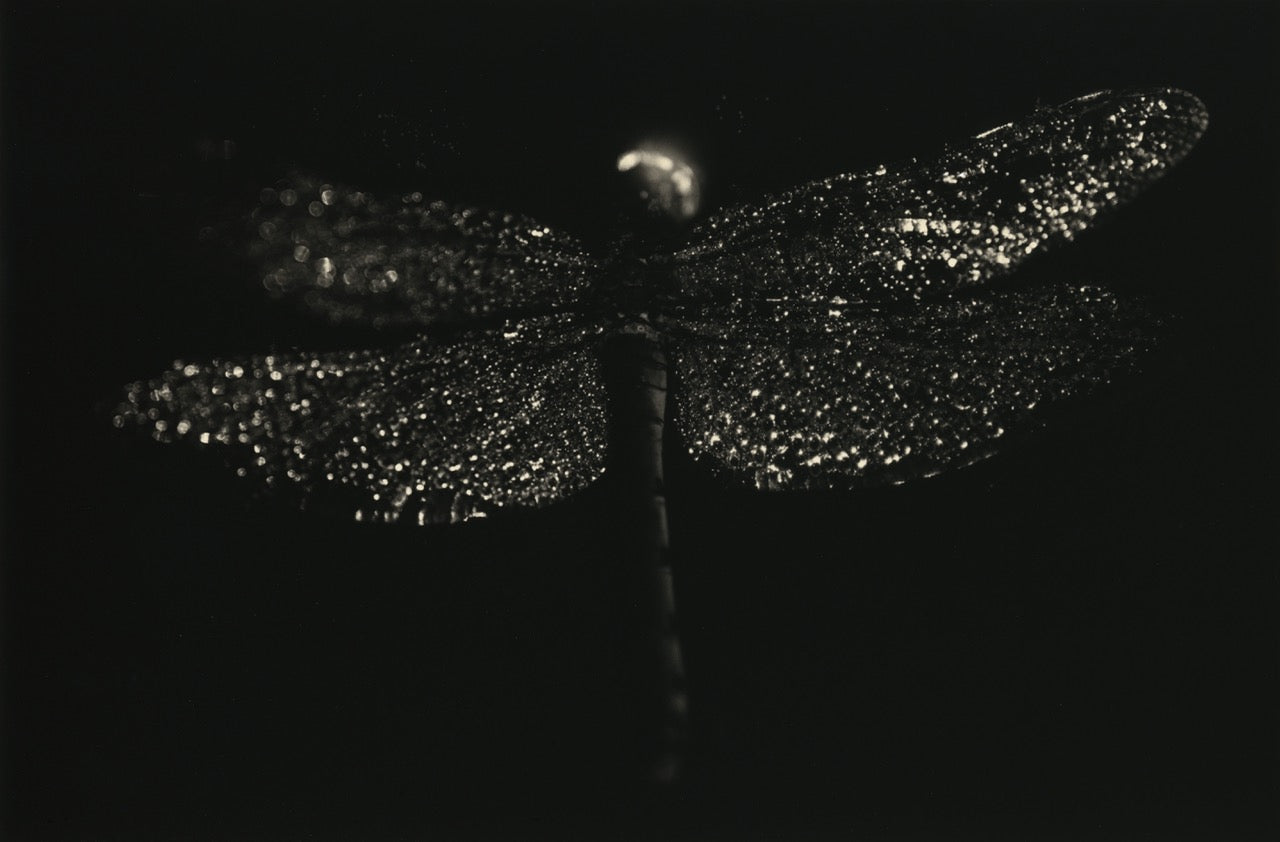
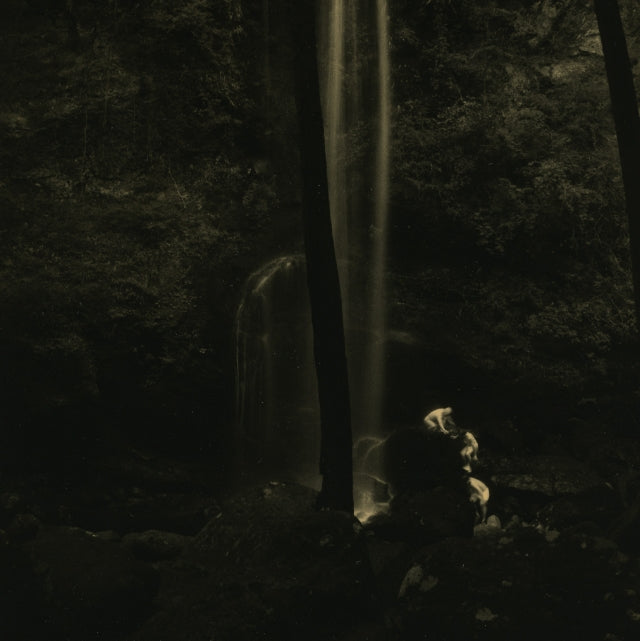
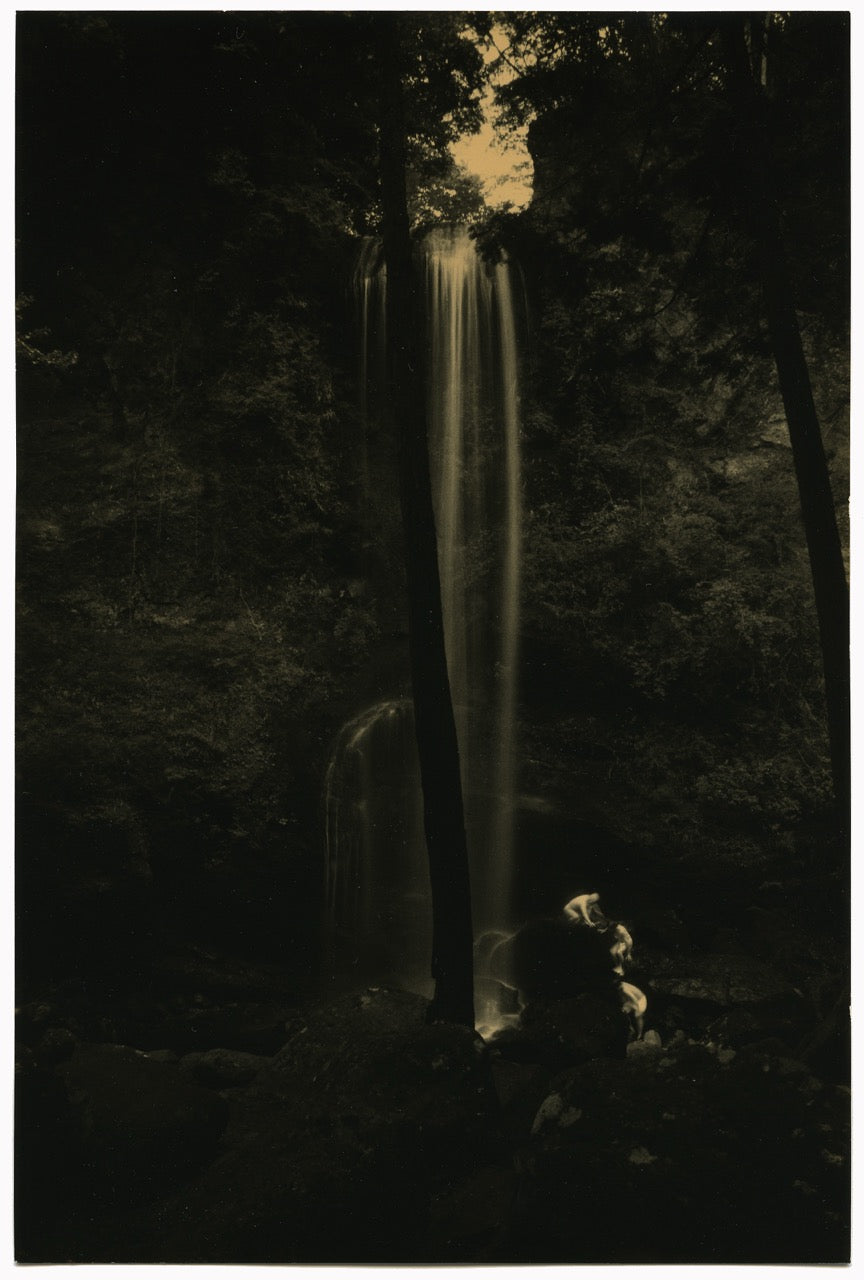
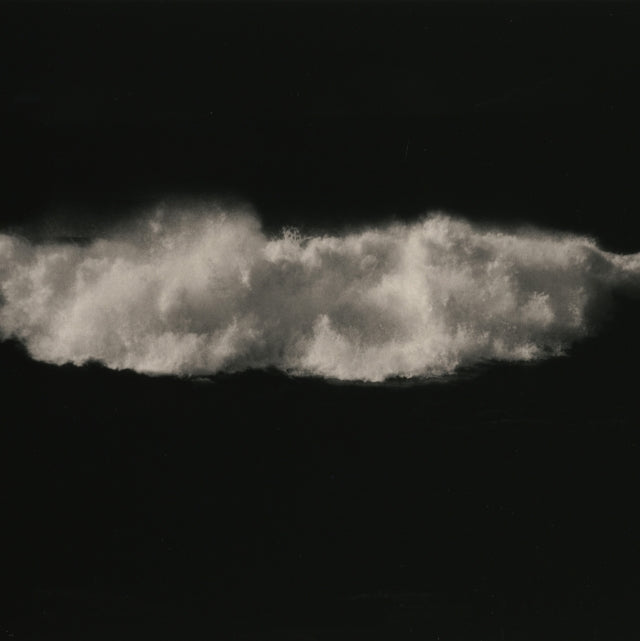
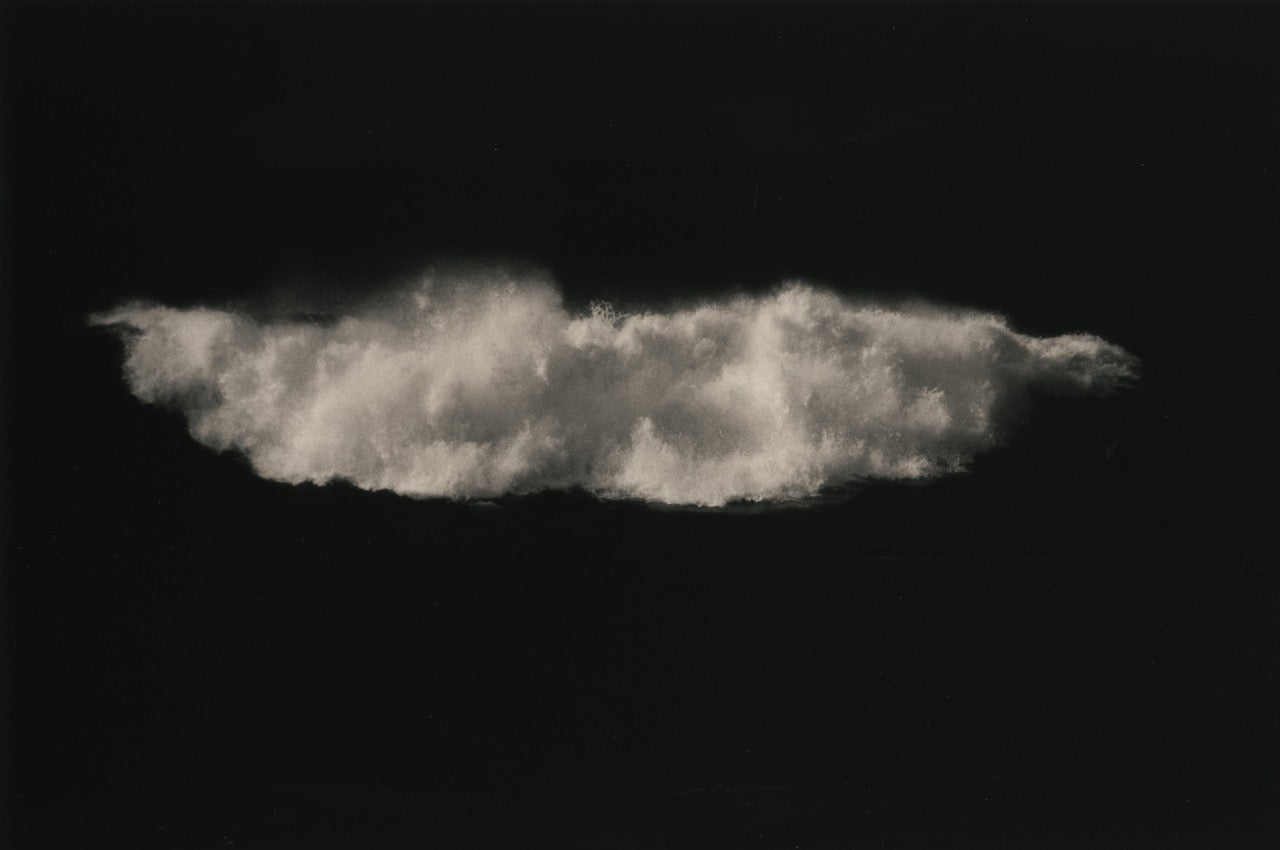
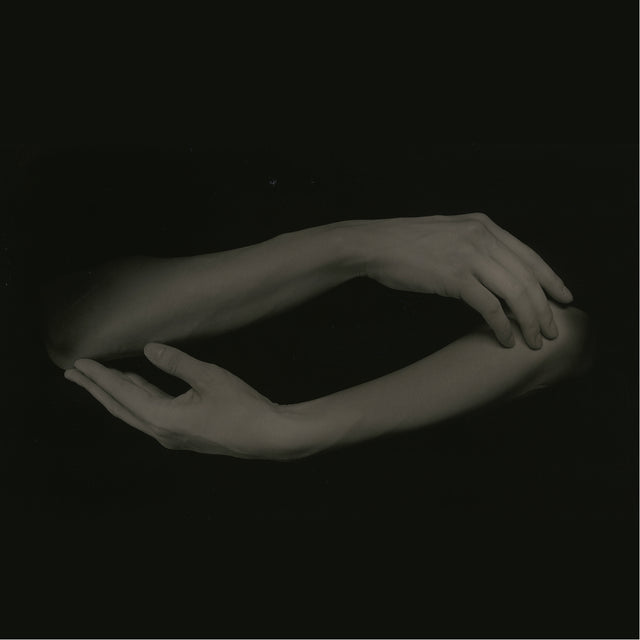
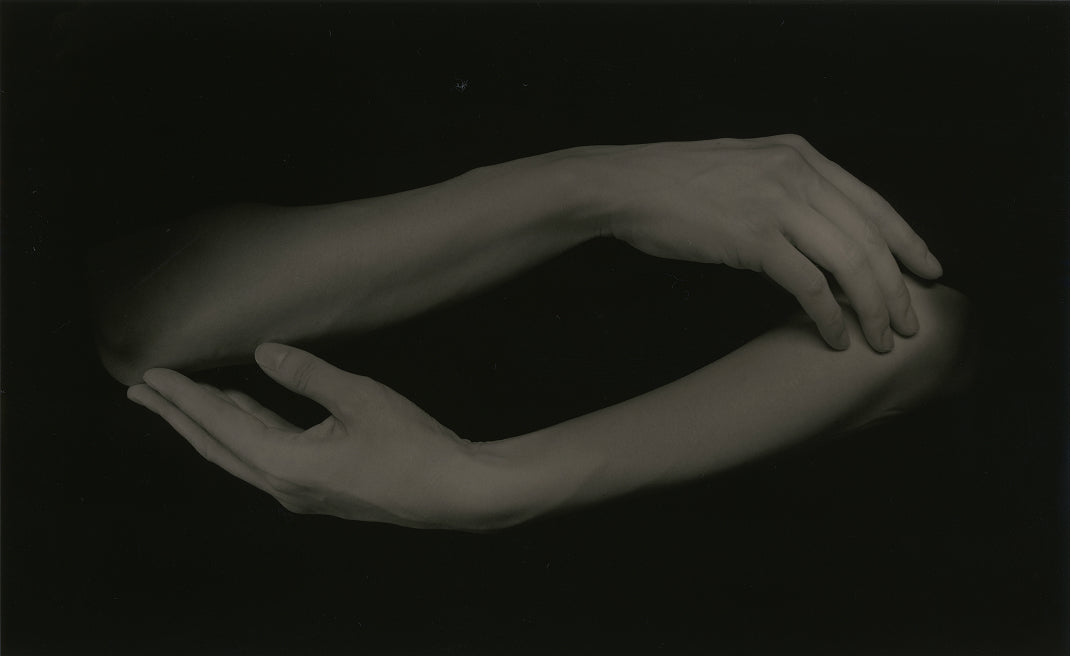
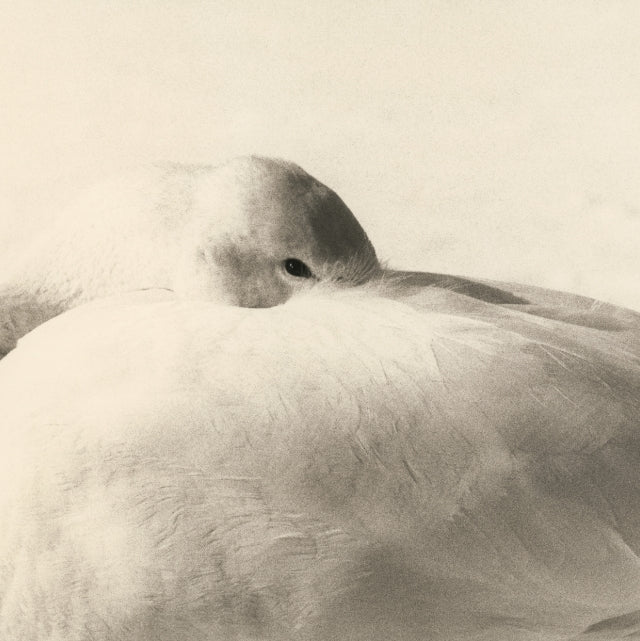
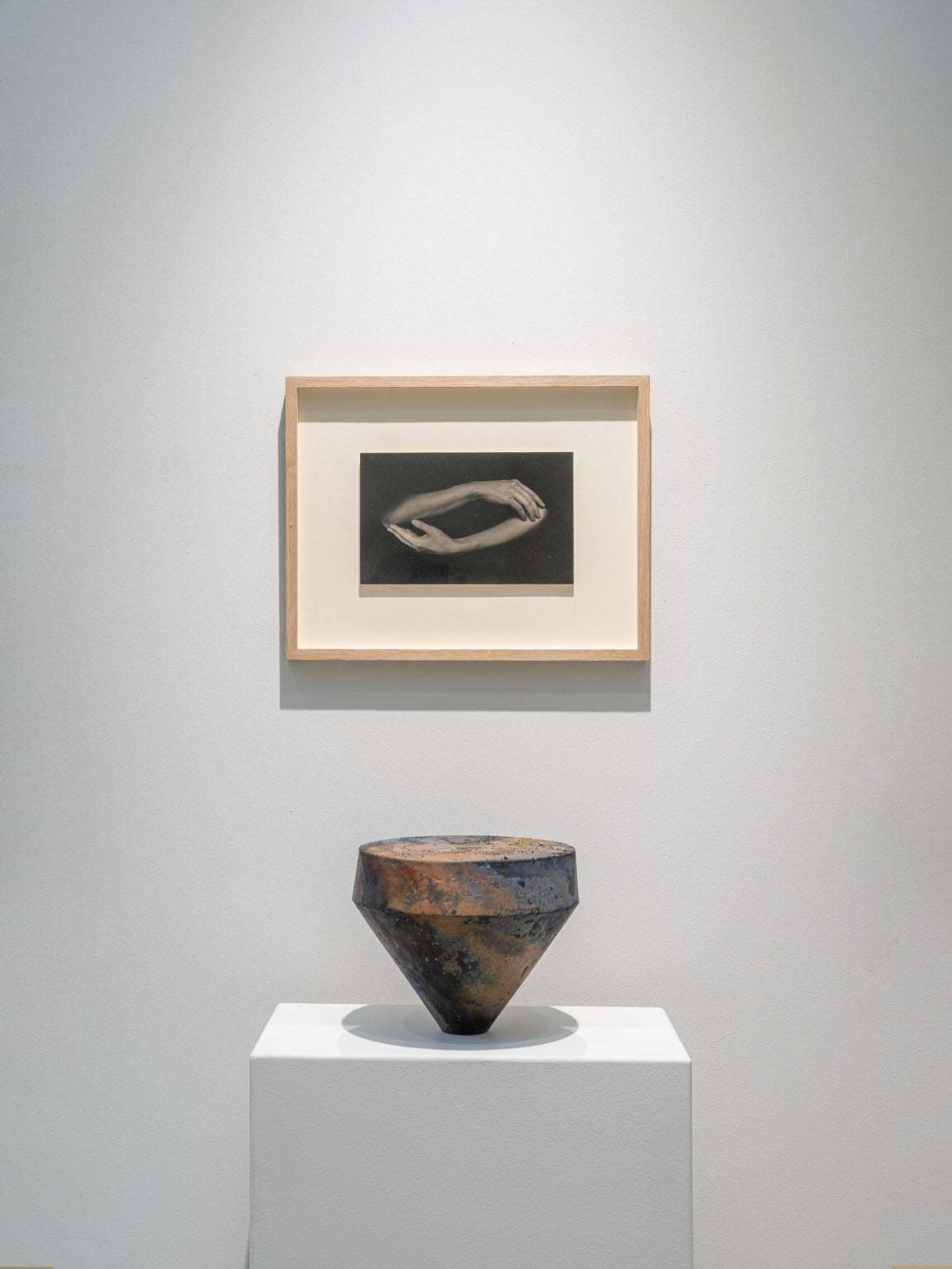
La Vie Simple was shot in a small village in Ardèche, in the south of France. Between 2013 and 2019, Yamamoto stayed several times in the home of a couple running a local cultural center. The works in this series result from his exploration of the daily life of the village’s residents.
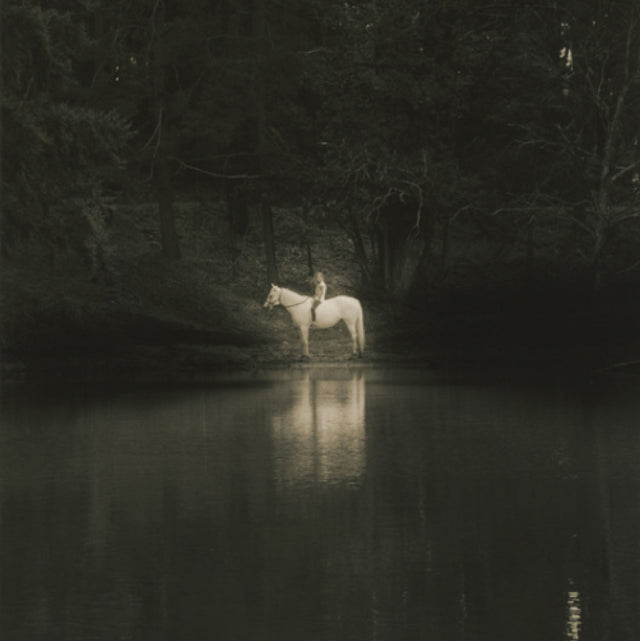
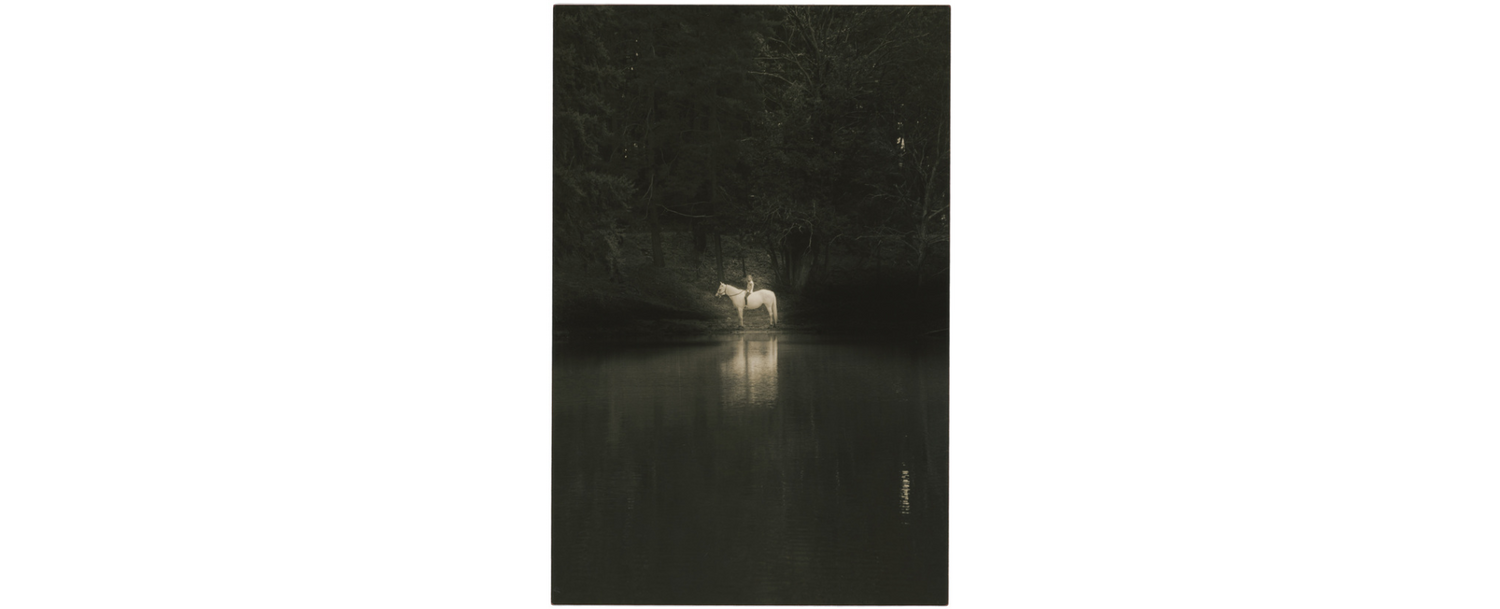
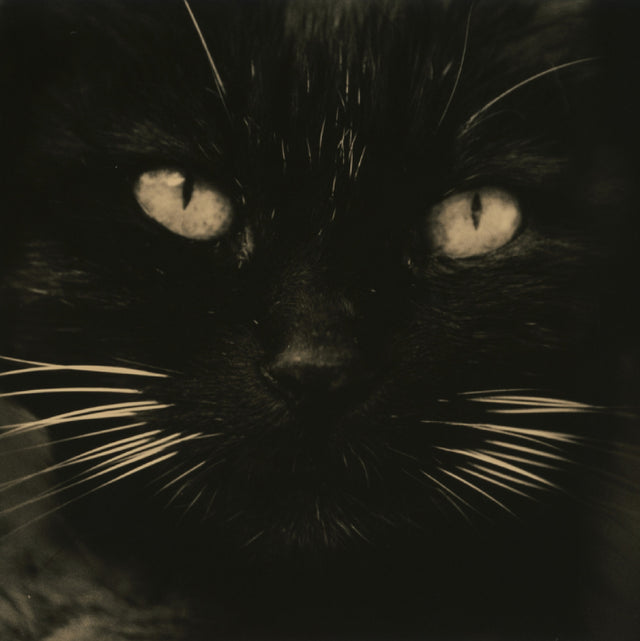
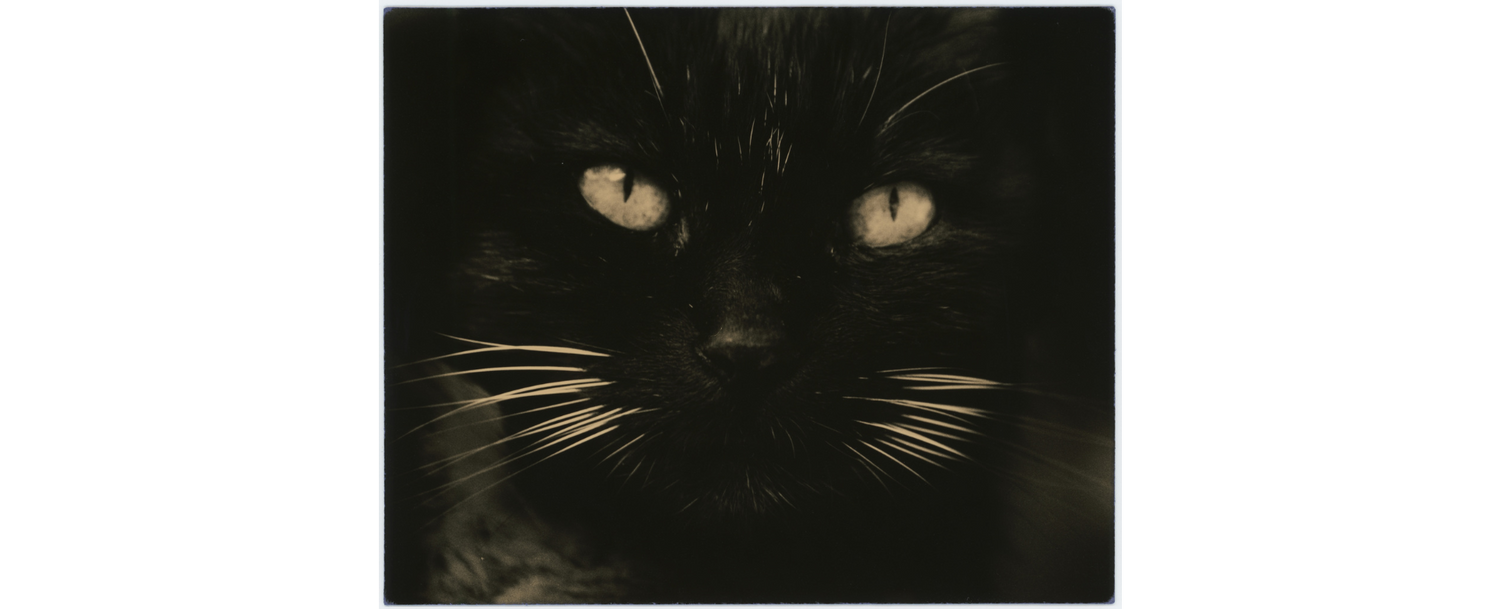
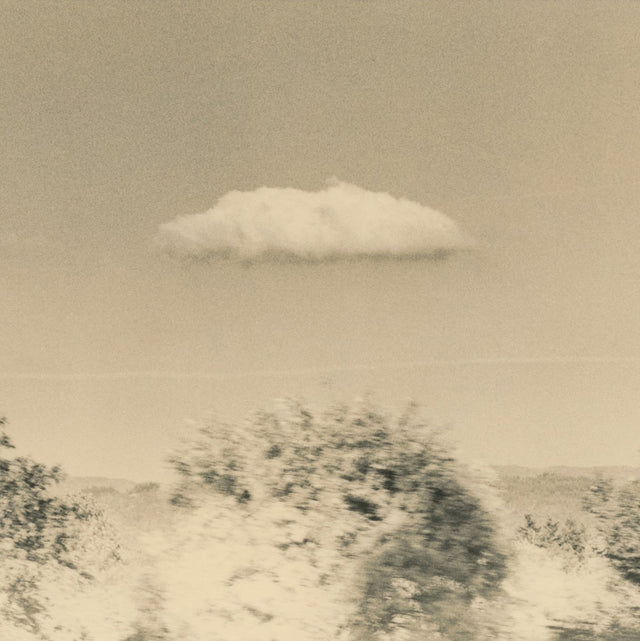
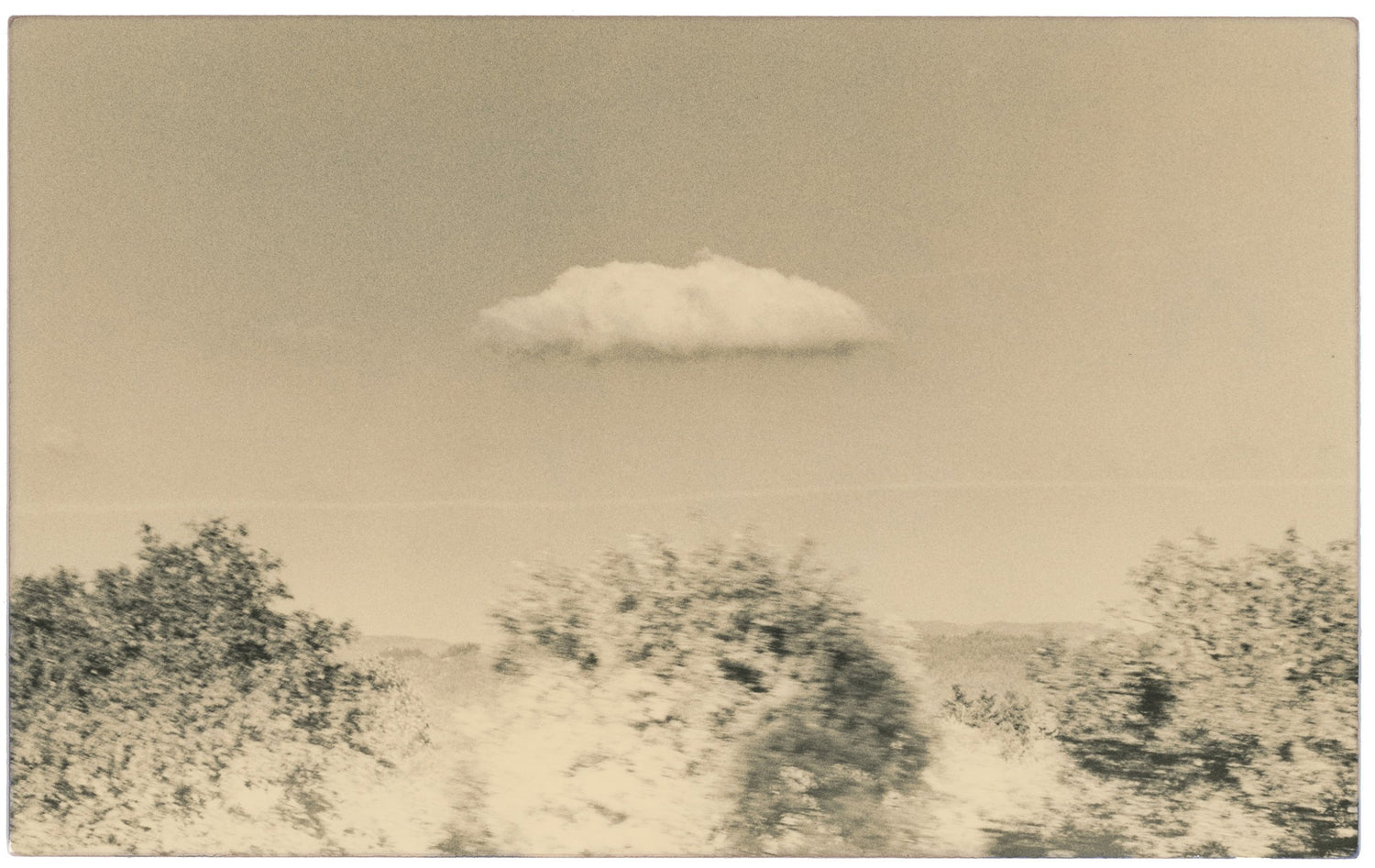
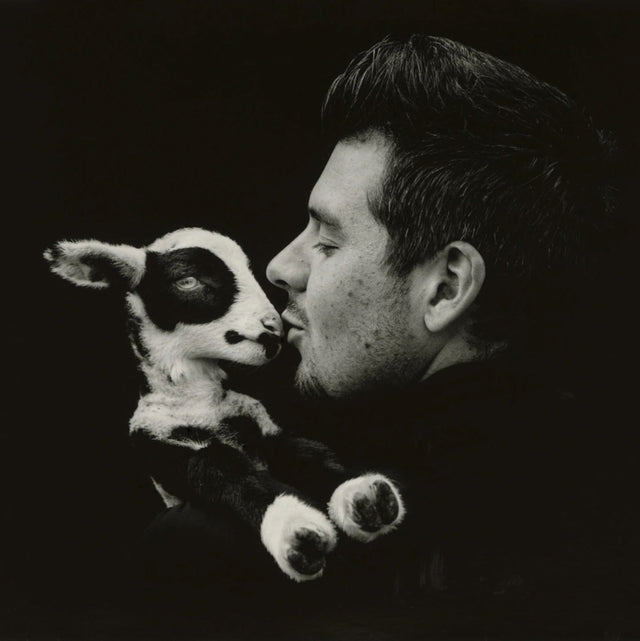
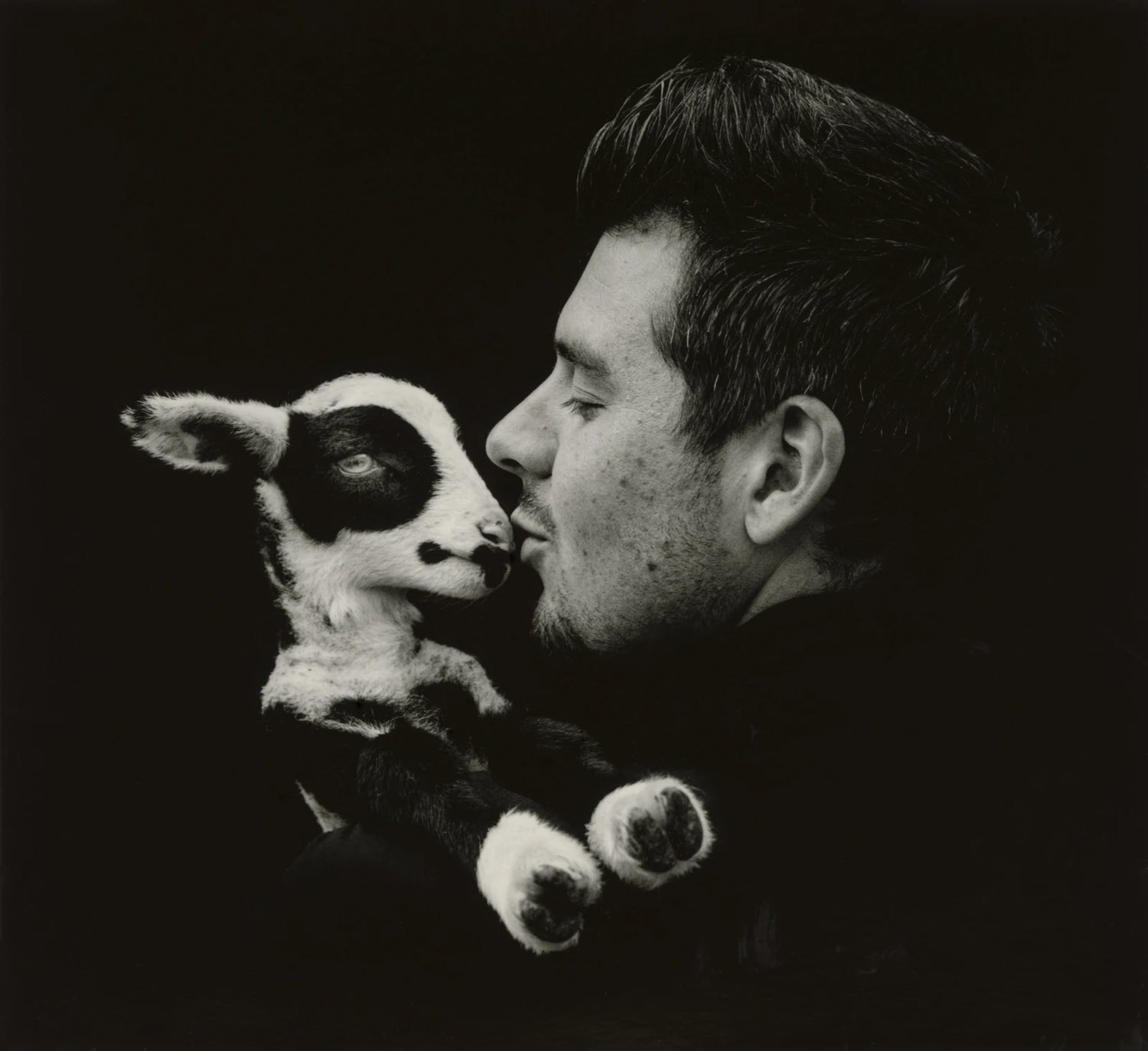
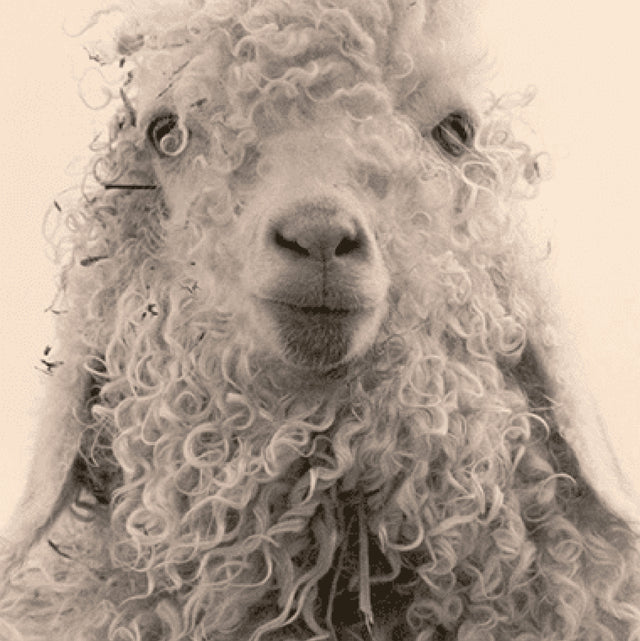
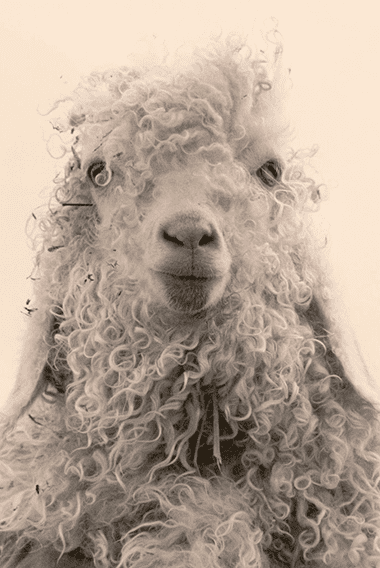
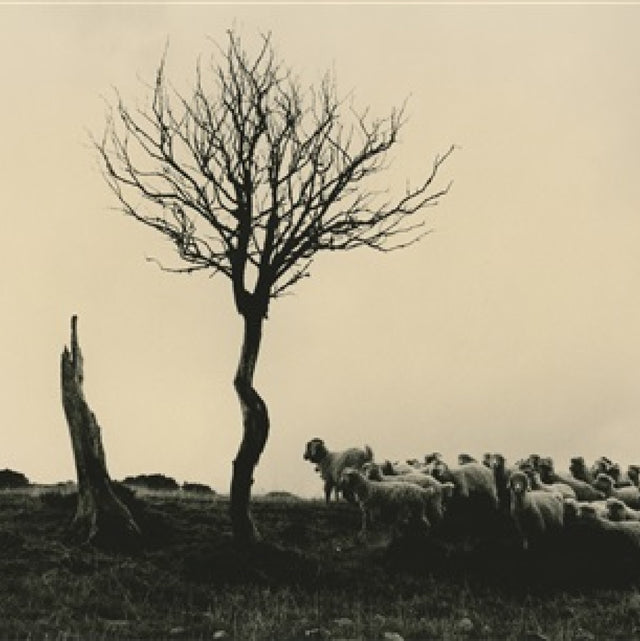
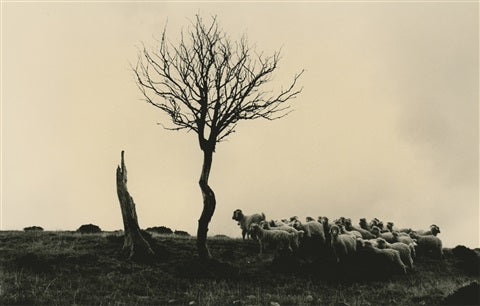
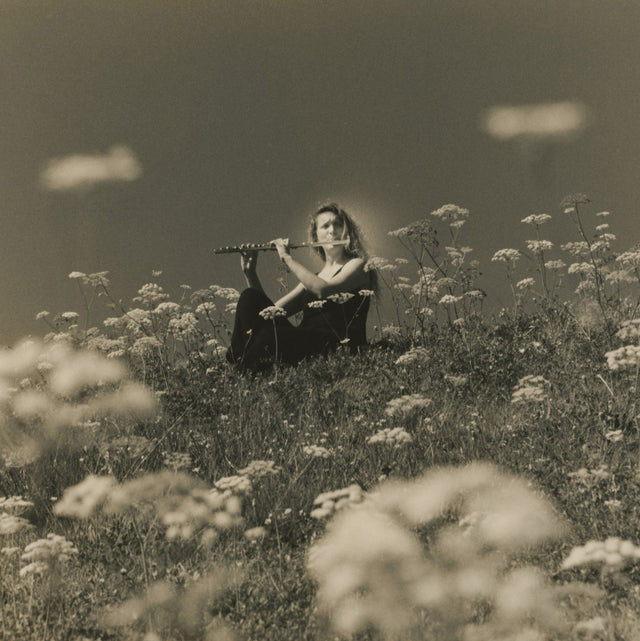
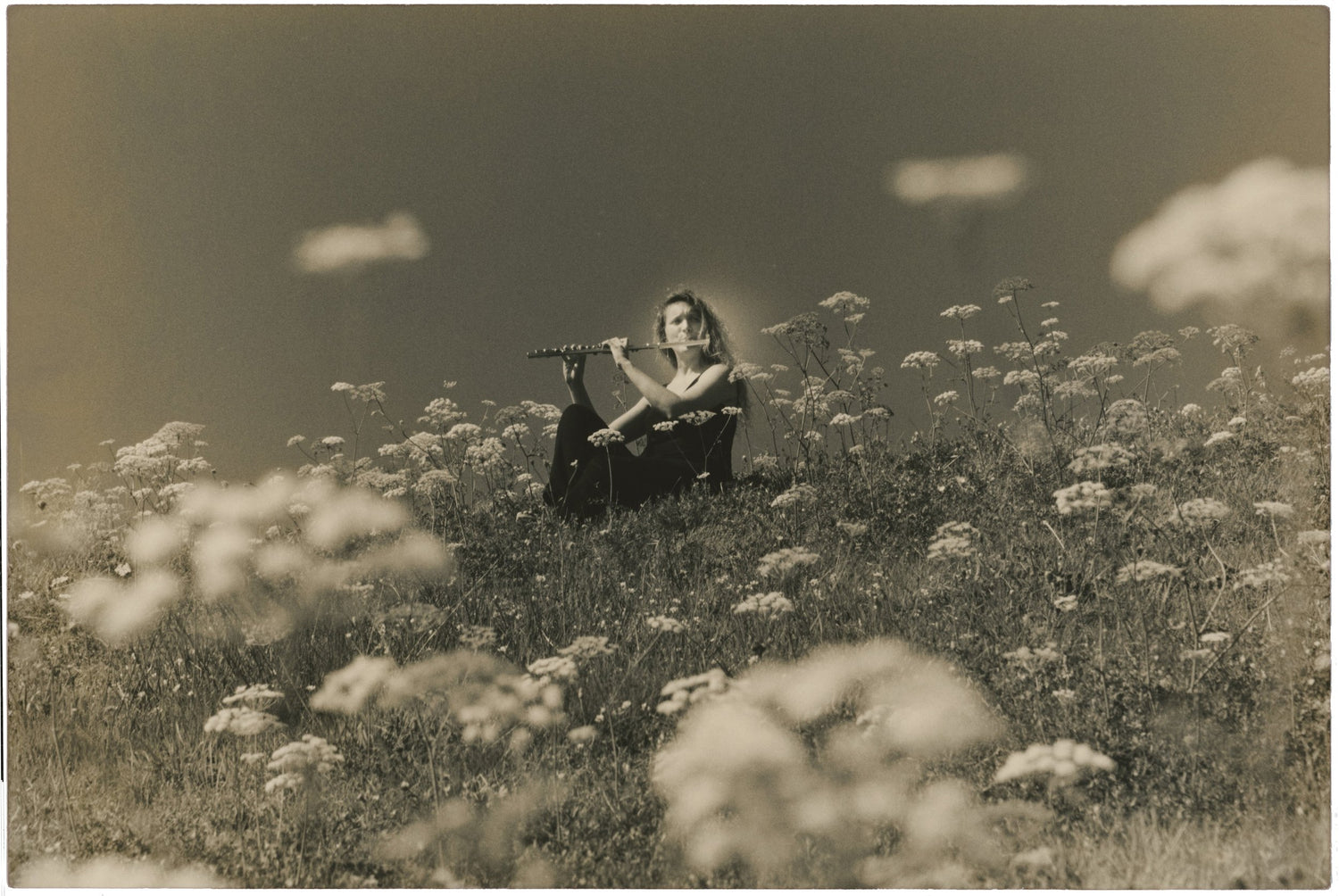
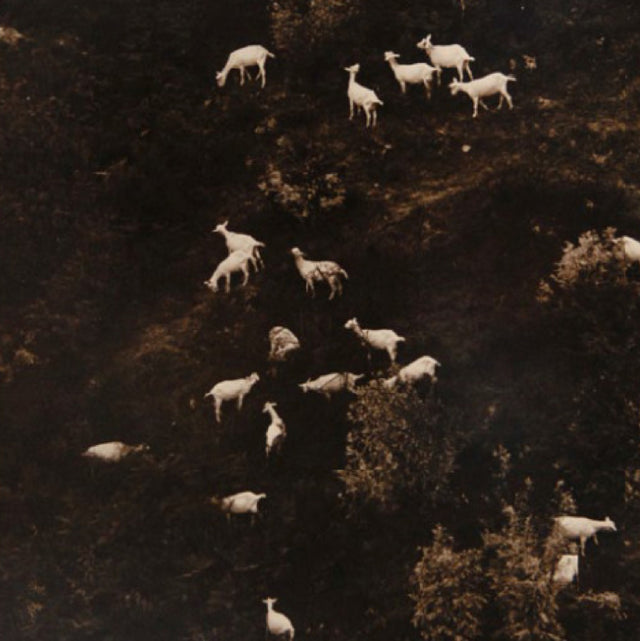
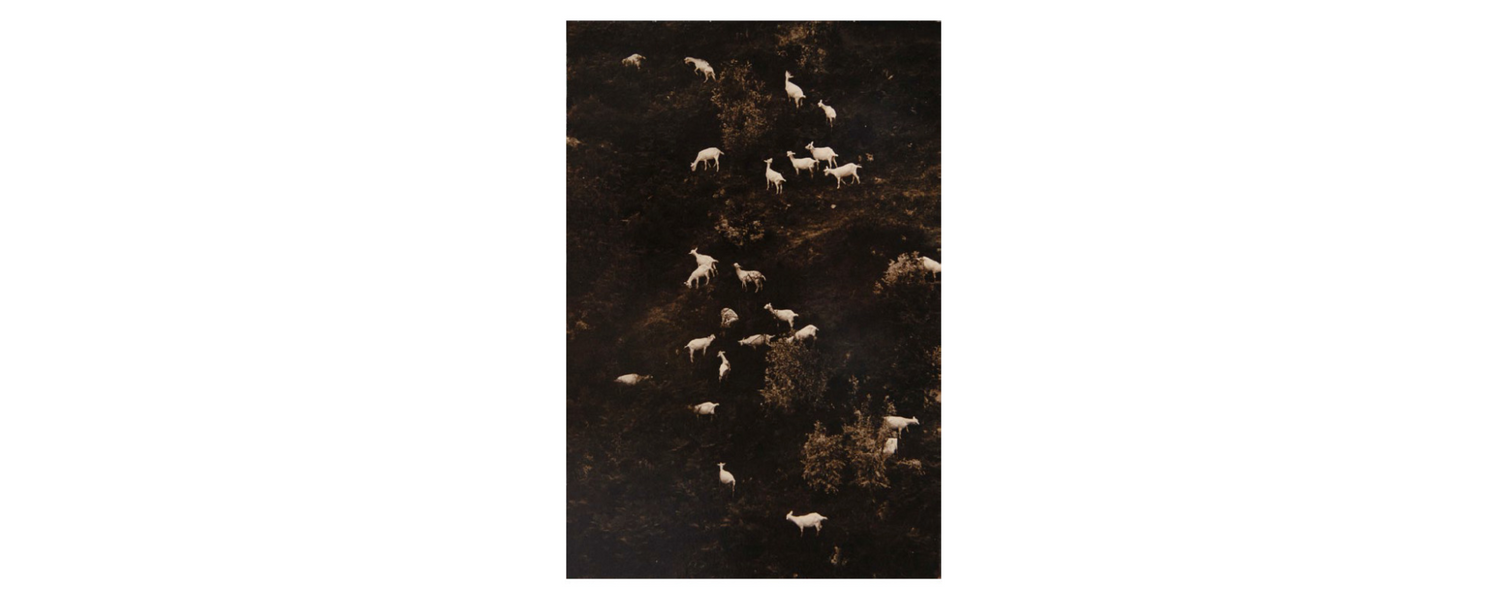
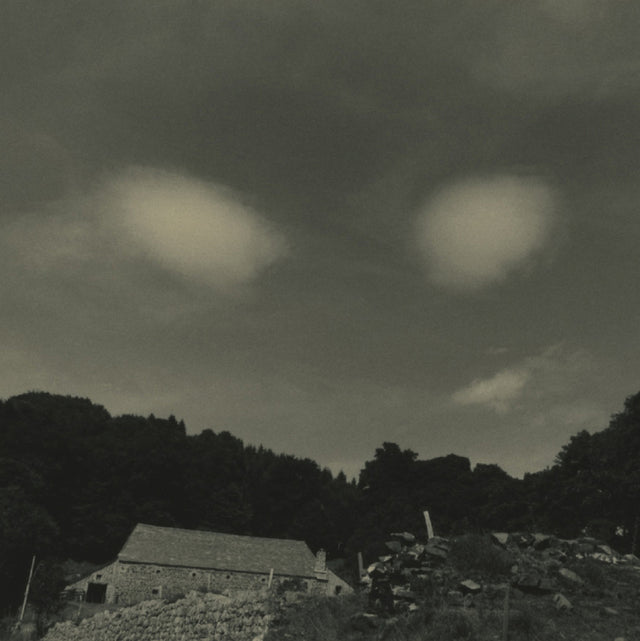
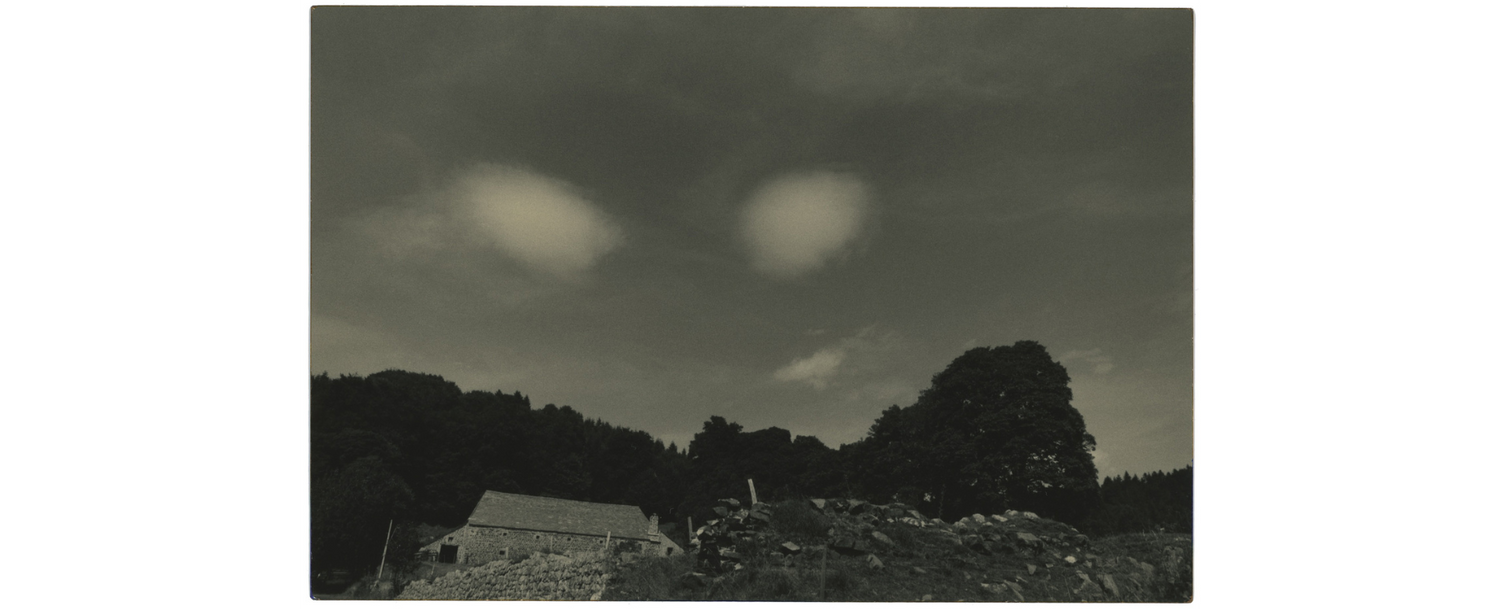
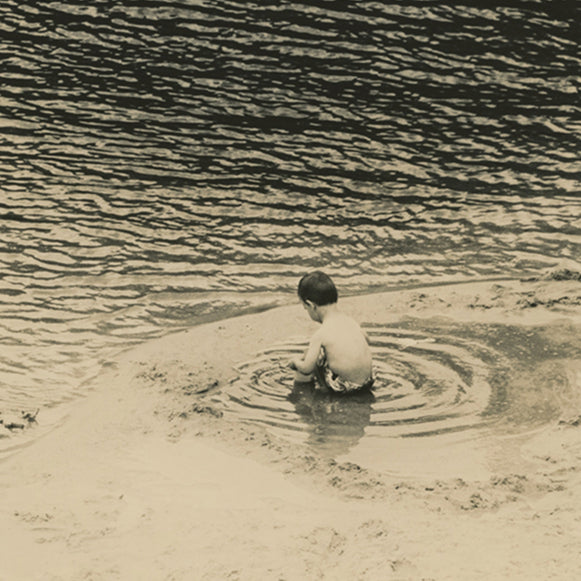
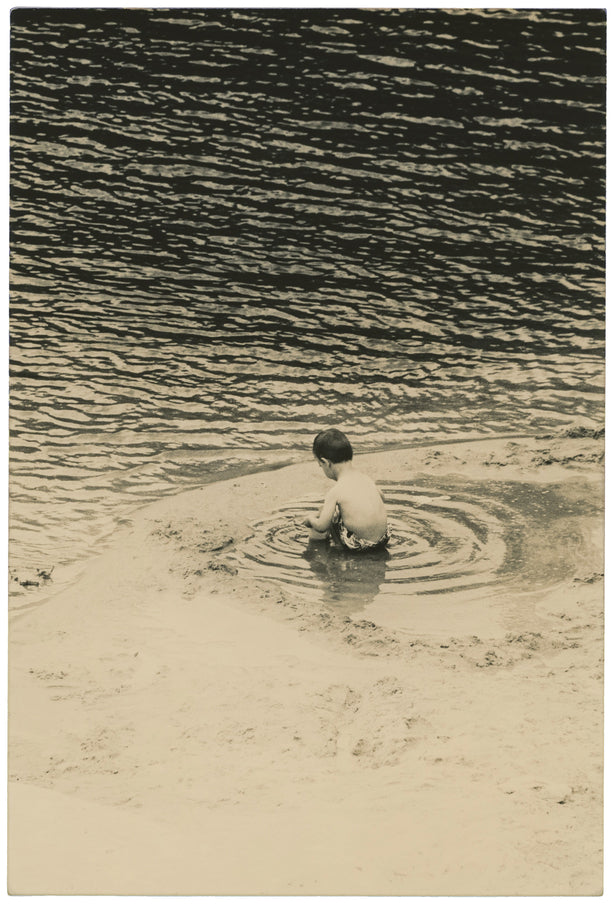
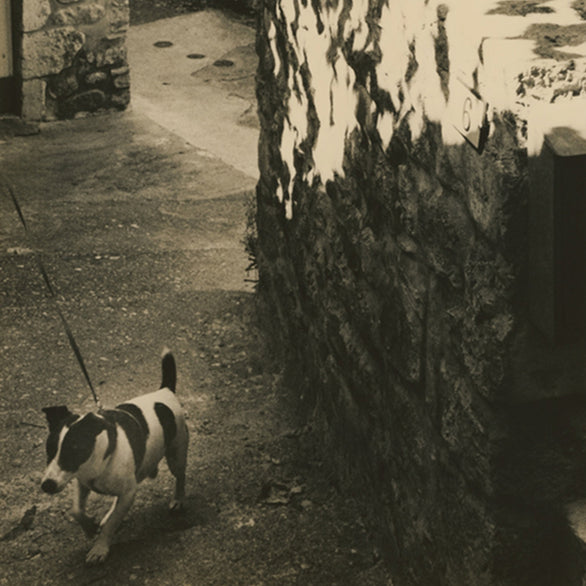
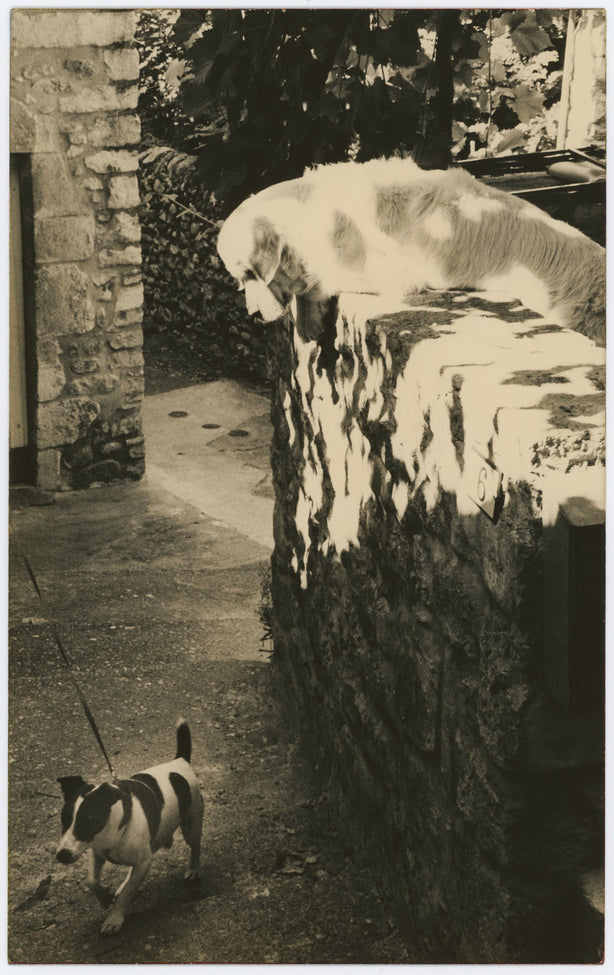
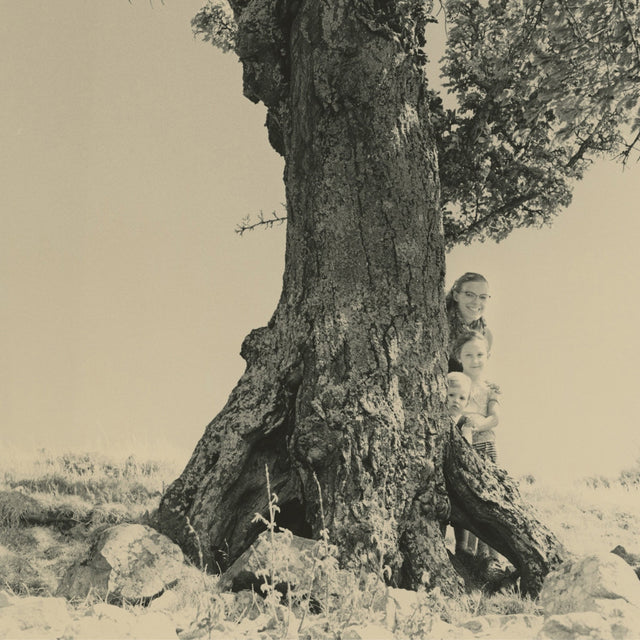
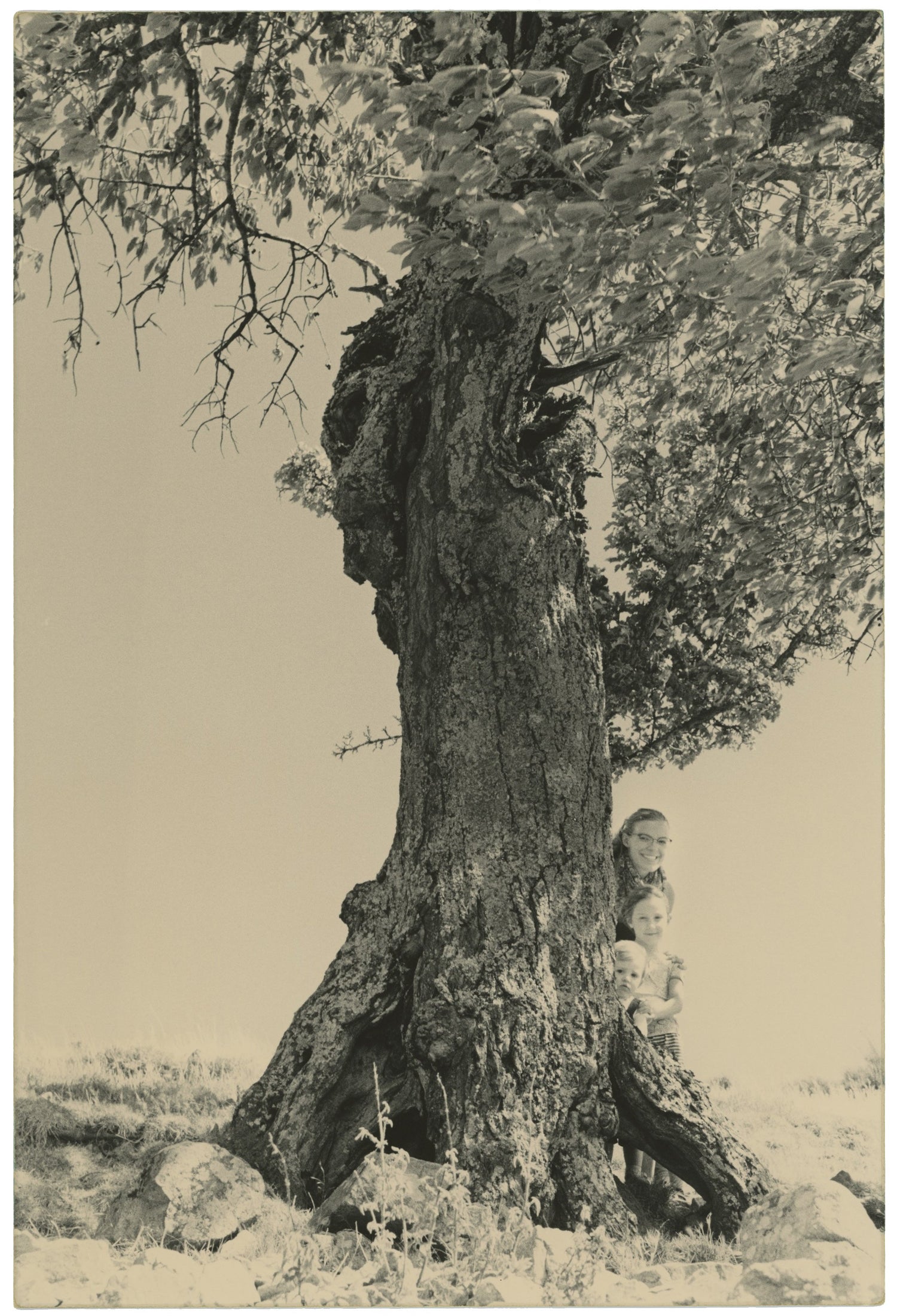
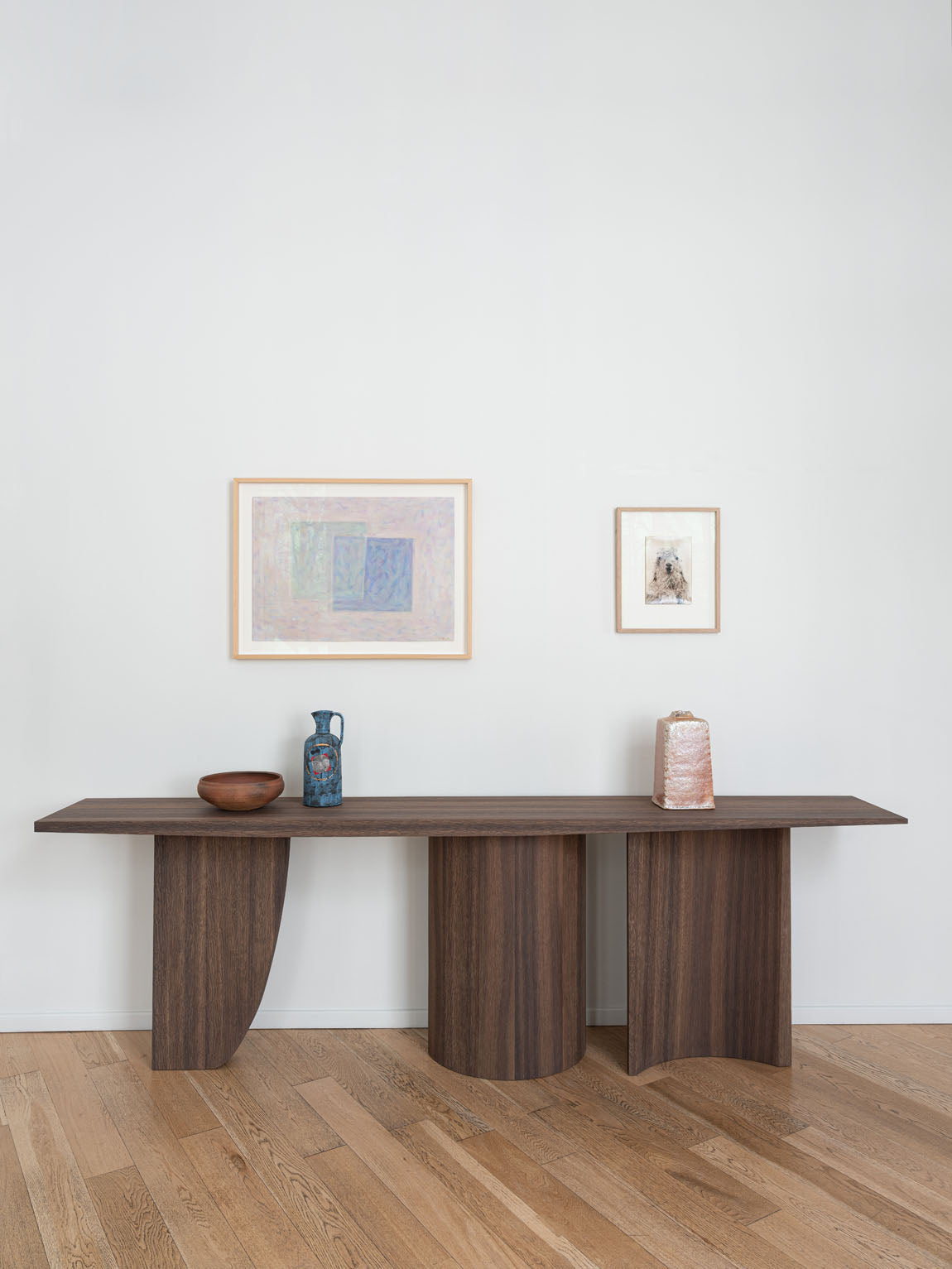
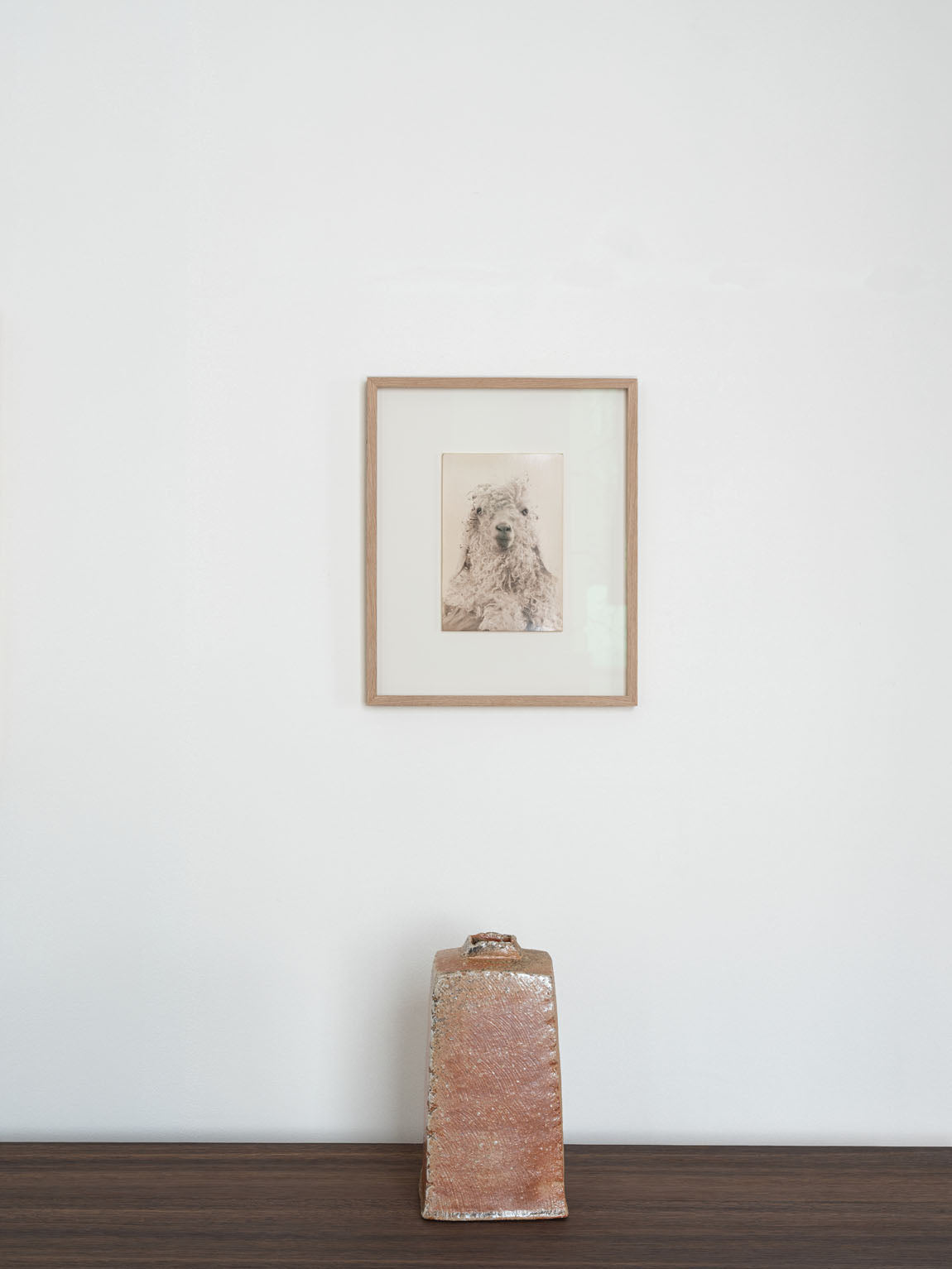
Nakazora is a Buddhist term that can be translated as “between heaven and earth” — in other words, at the border of life and death, between dream and waking, suspended in the uncertainty of time and space. The images in this series resemble anonymous photographs, carrying a certain mystery within them: thus, each viewer can appropriate them and imagine his own story.


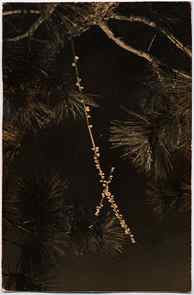
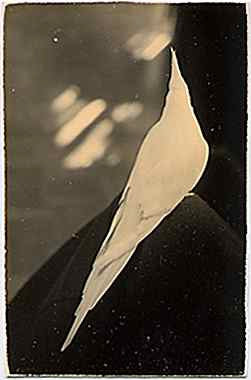
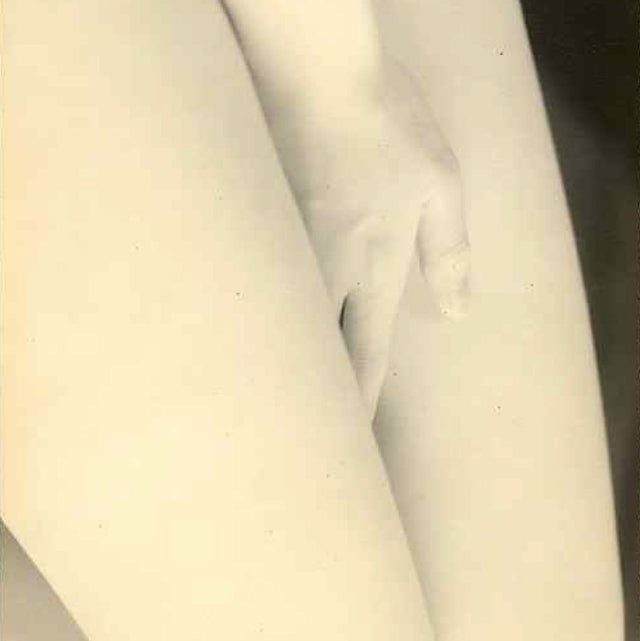
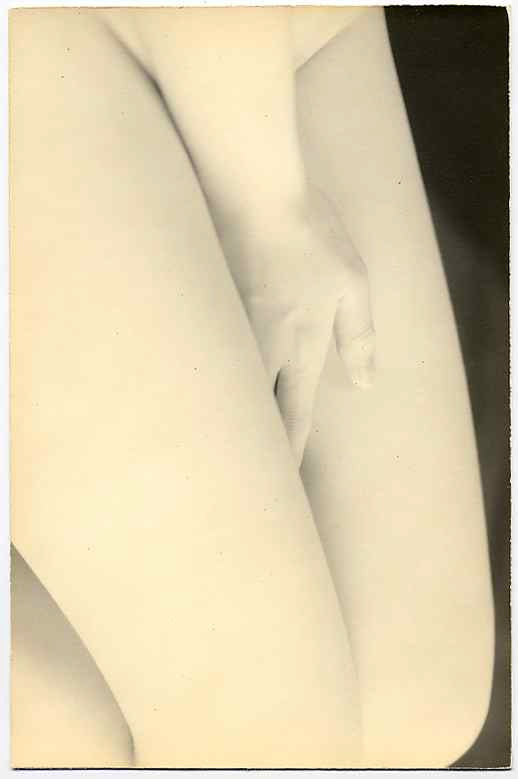
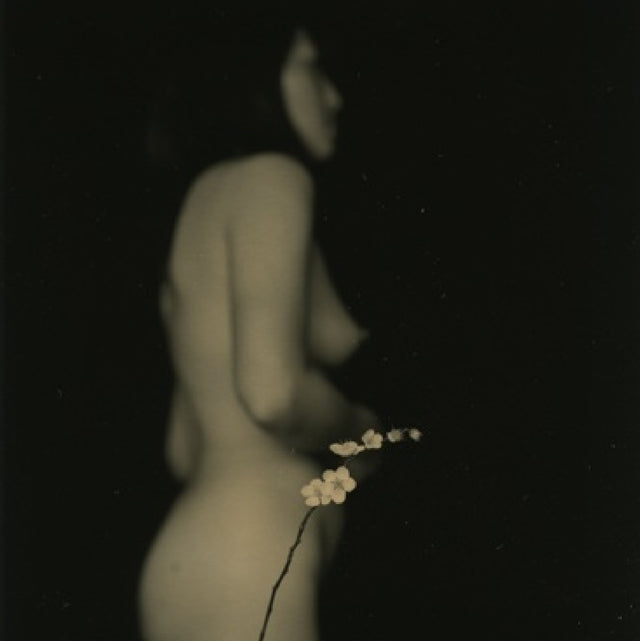
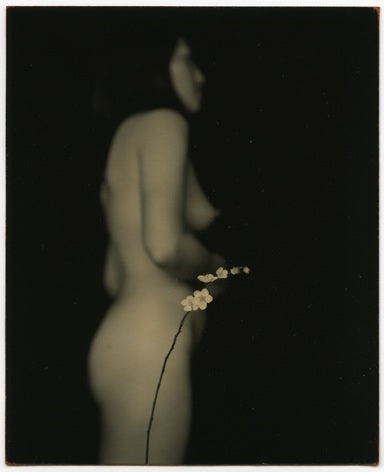
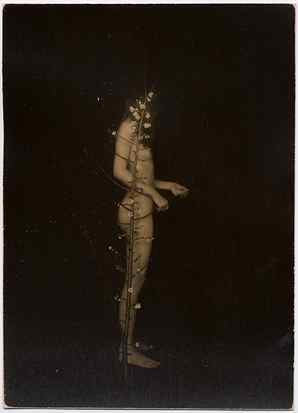
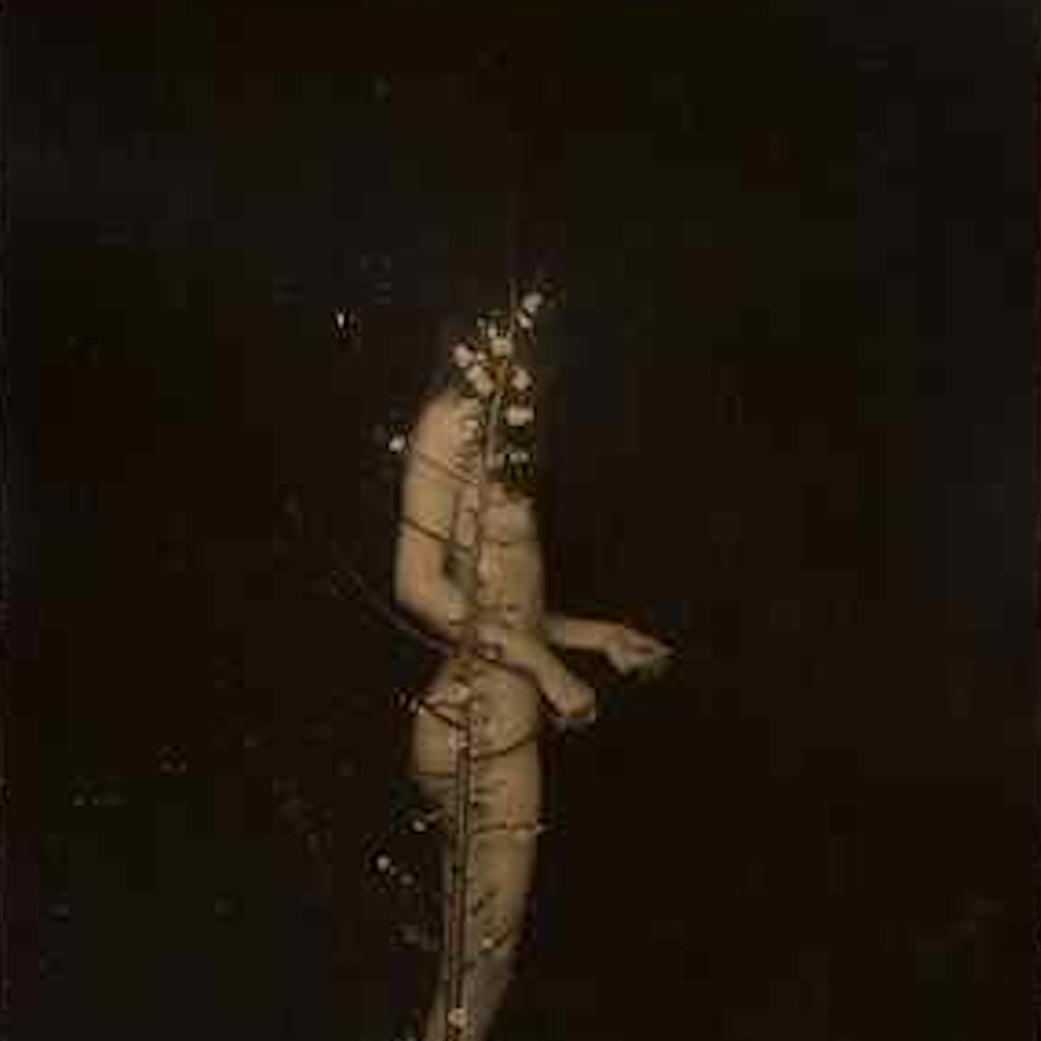
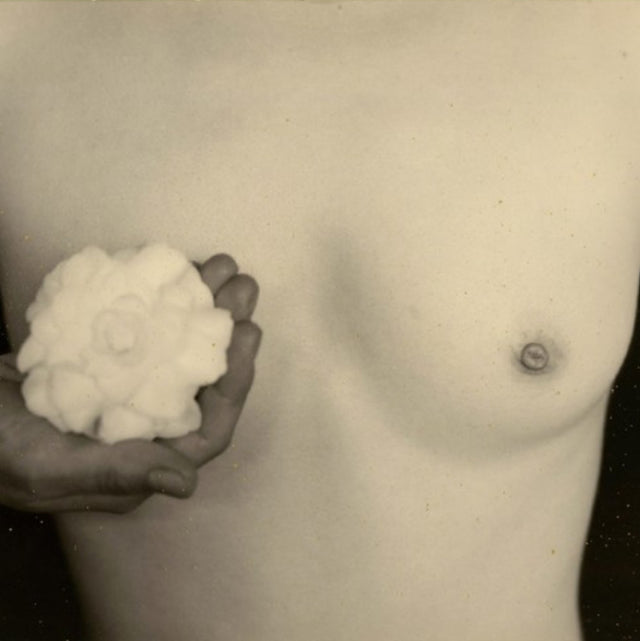
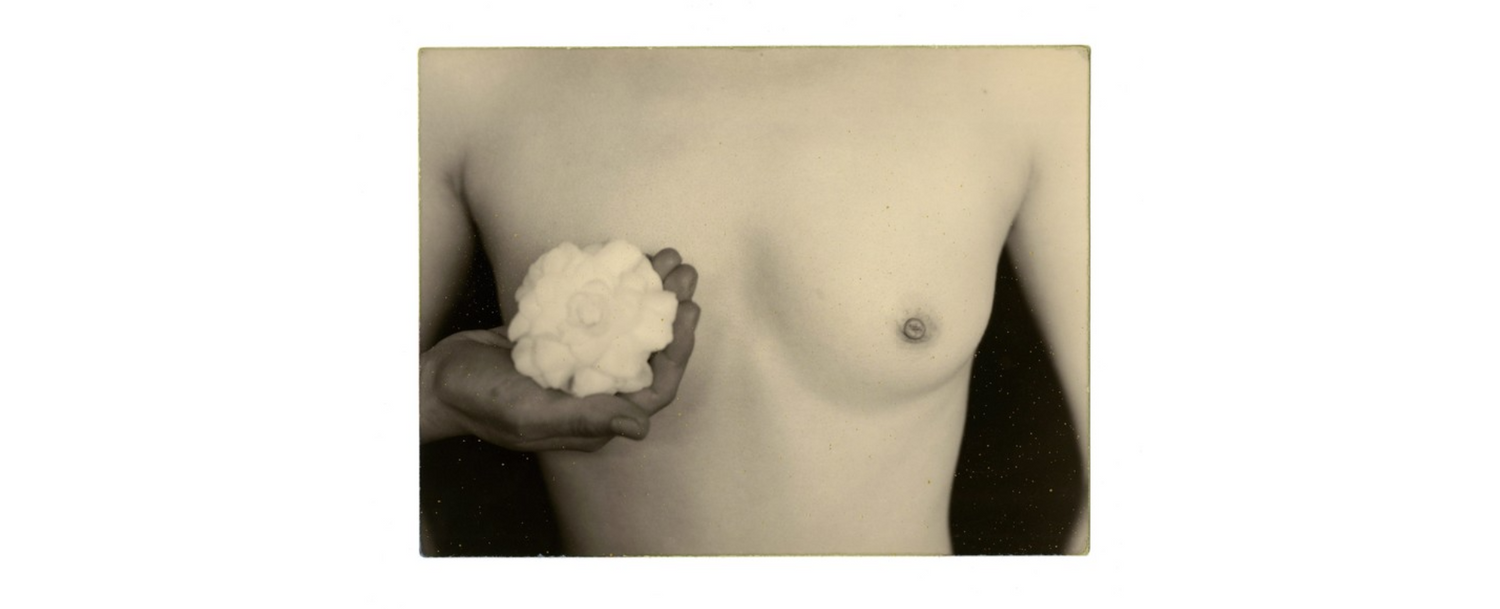
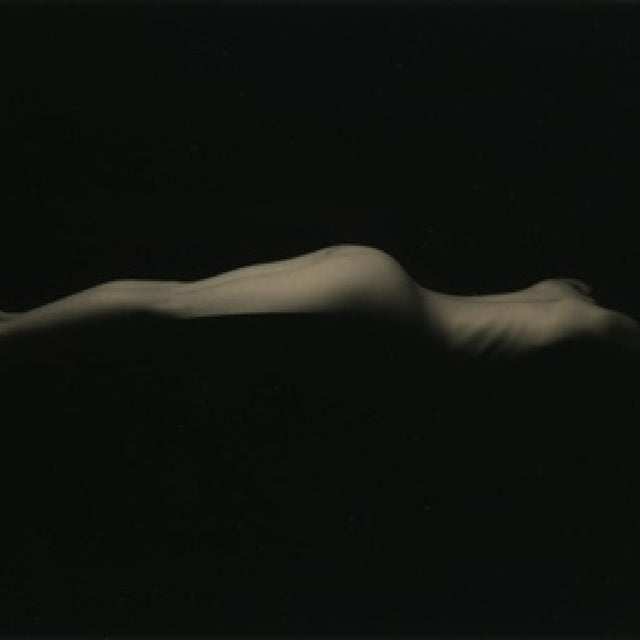
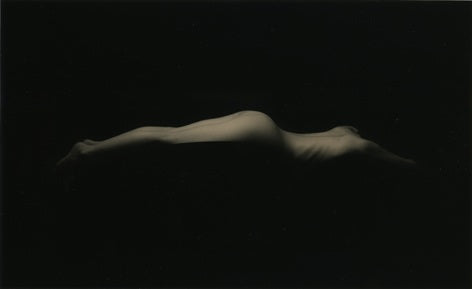
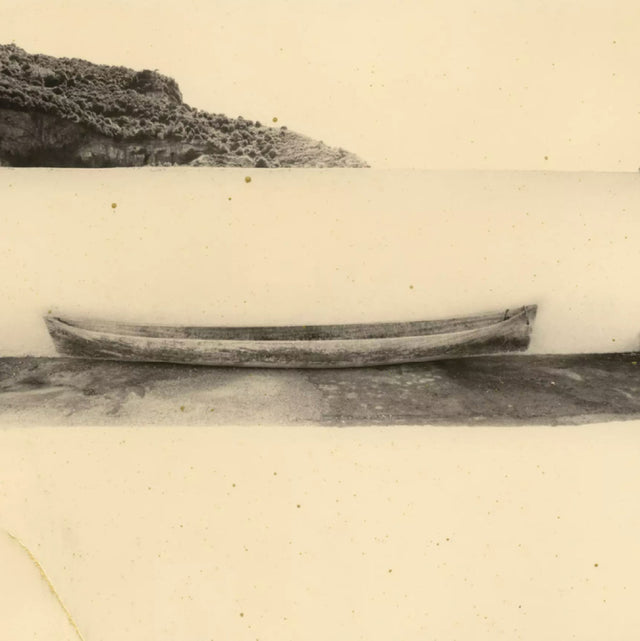
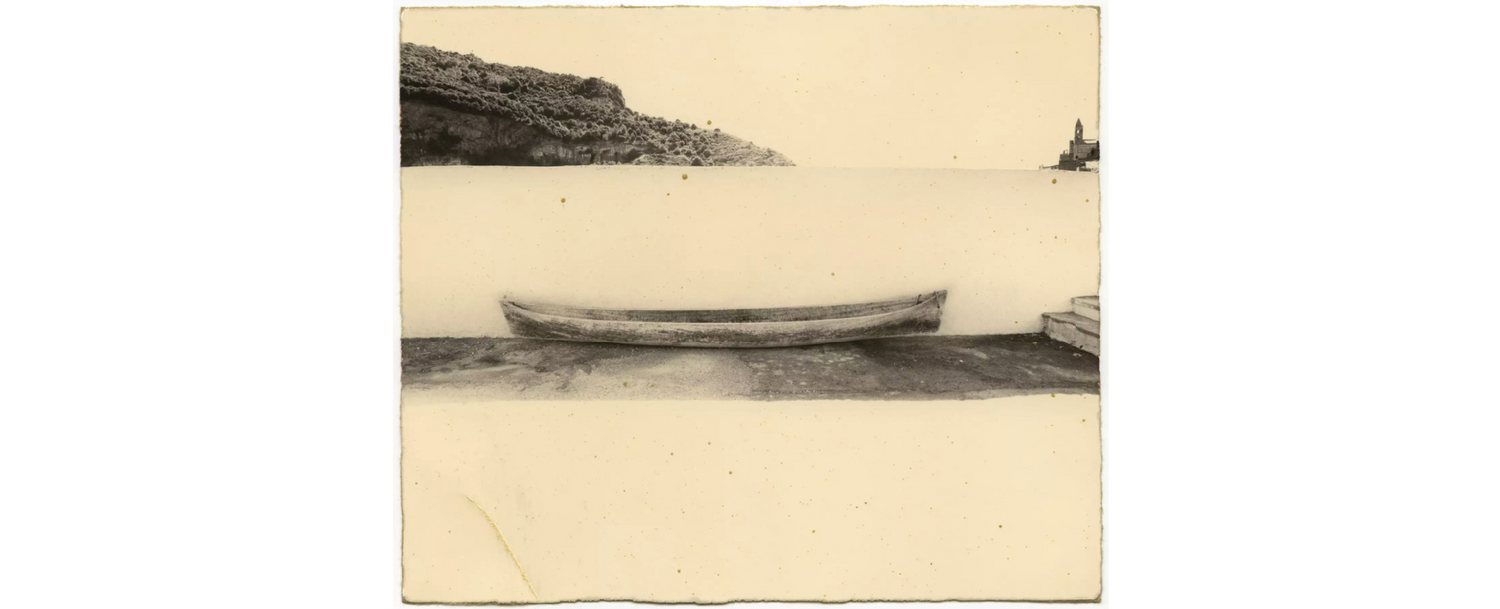
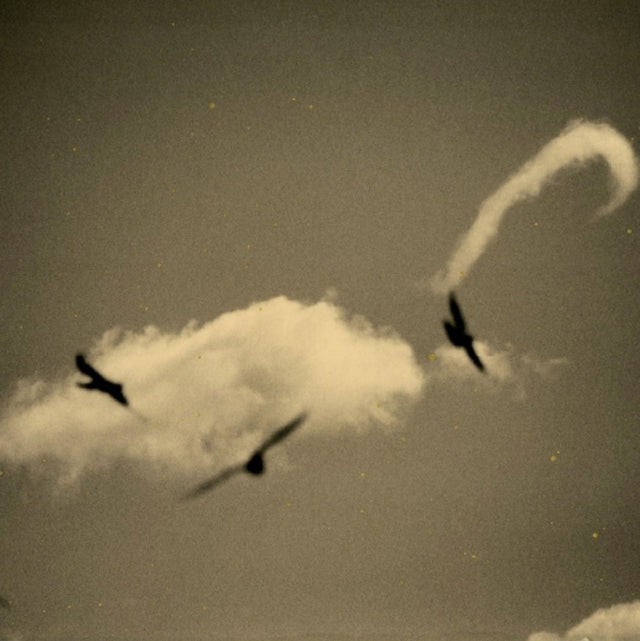
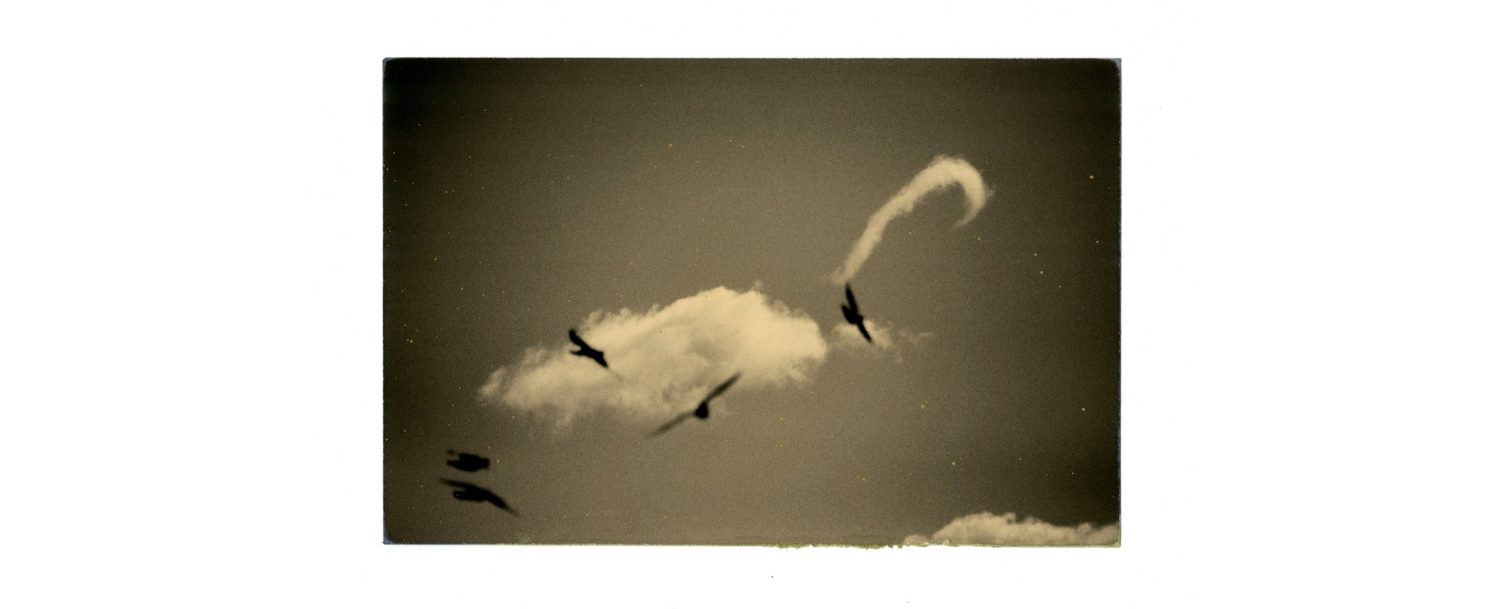
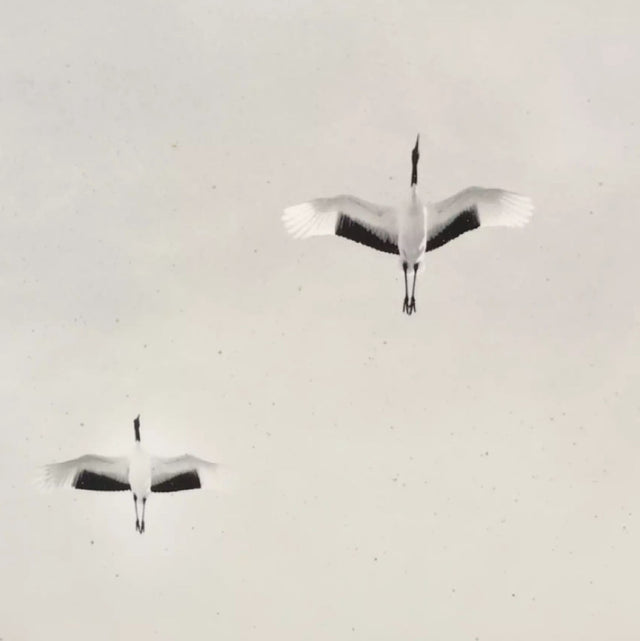
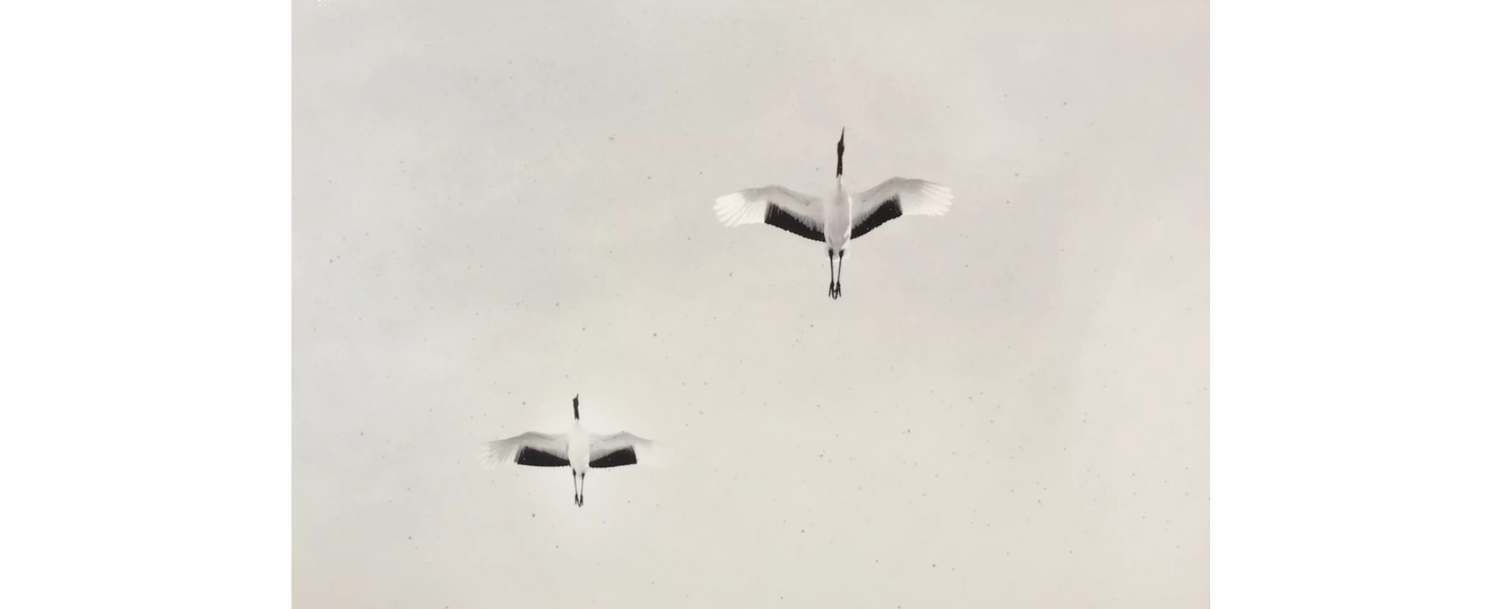
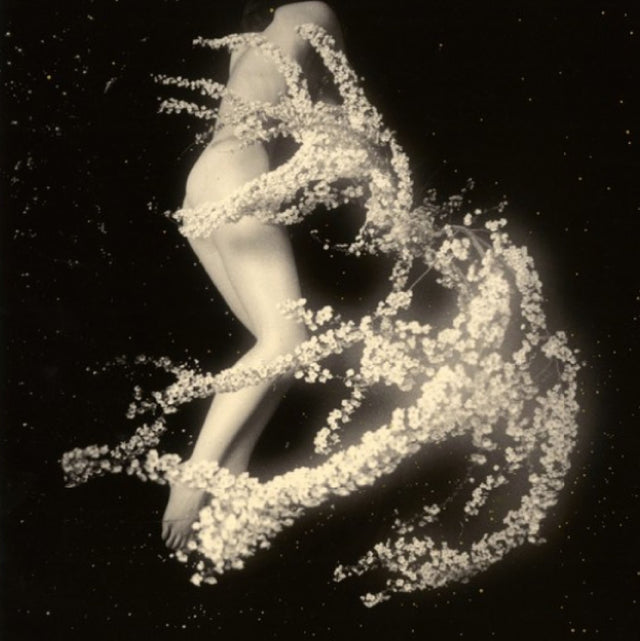
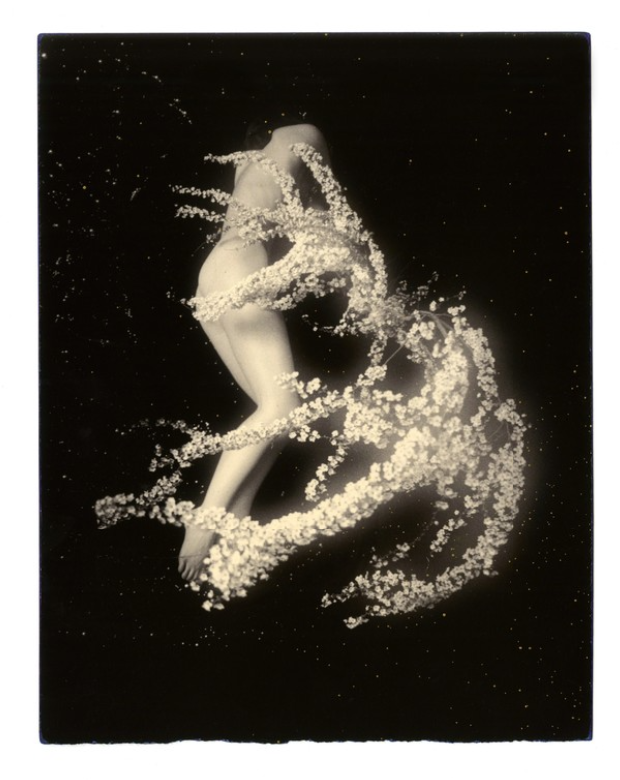
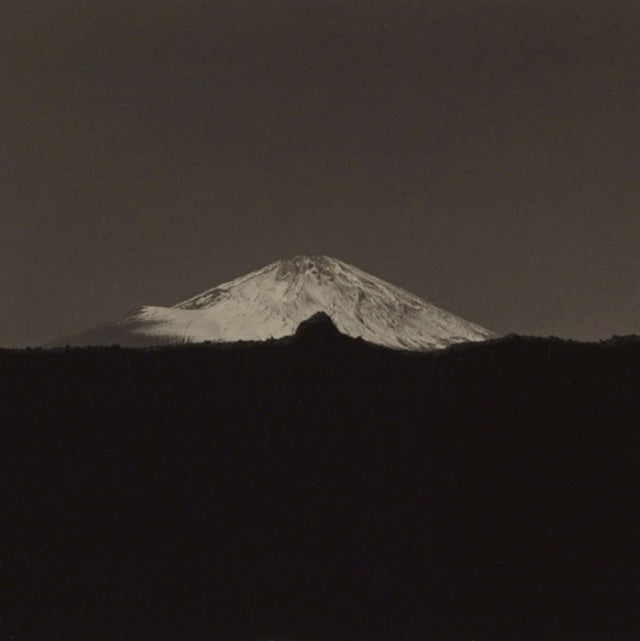
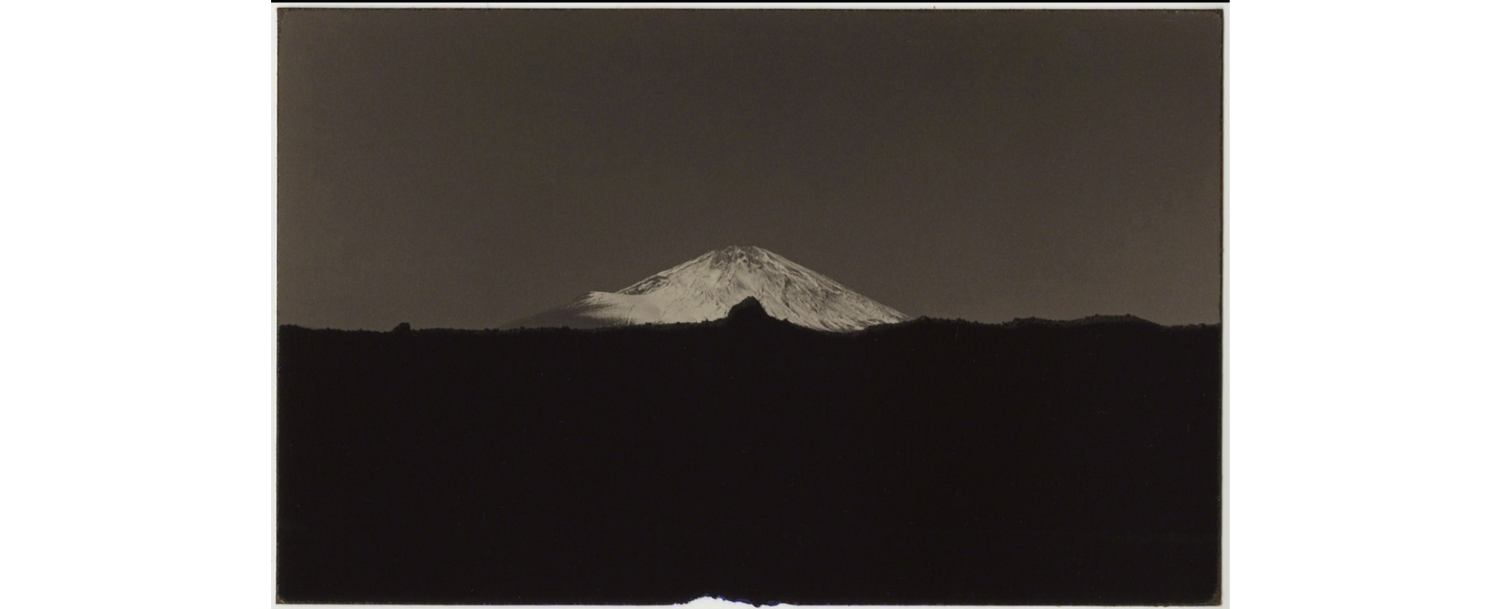
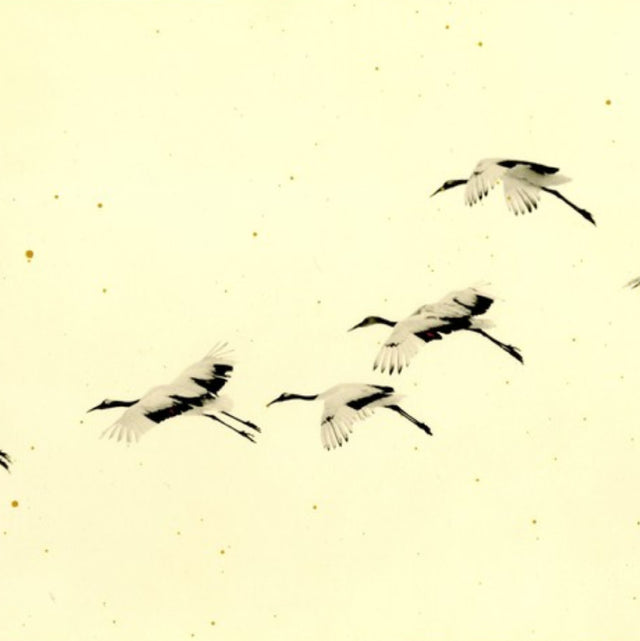
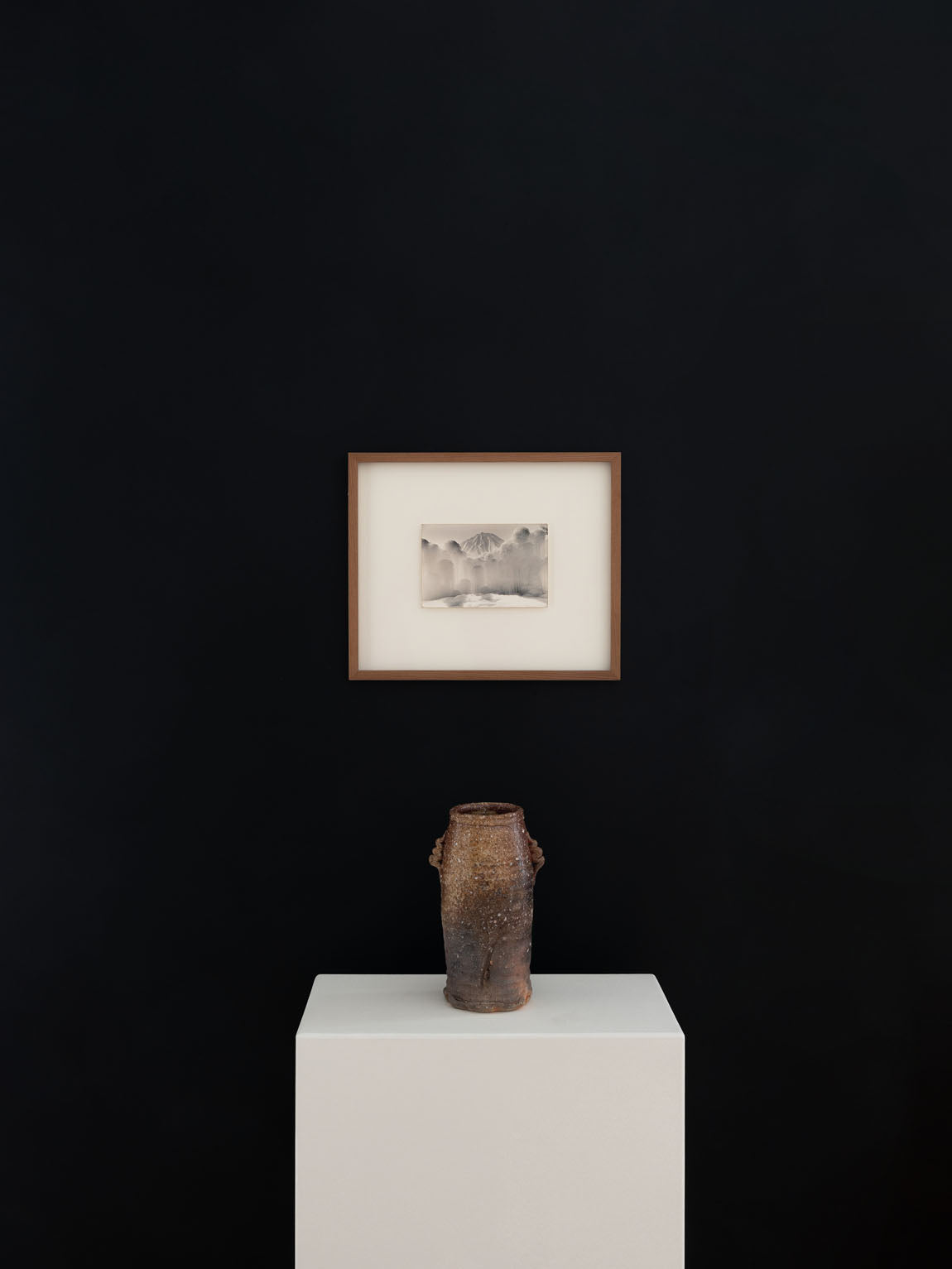
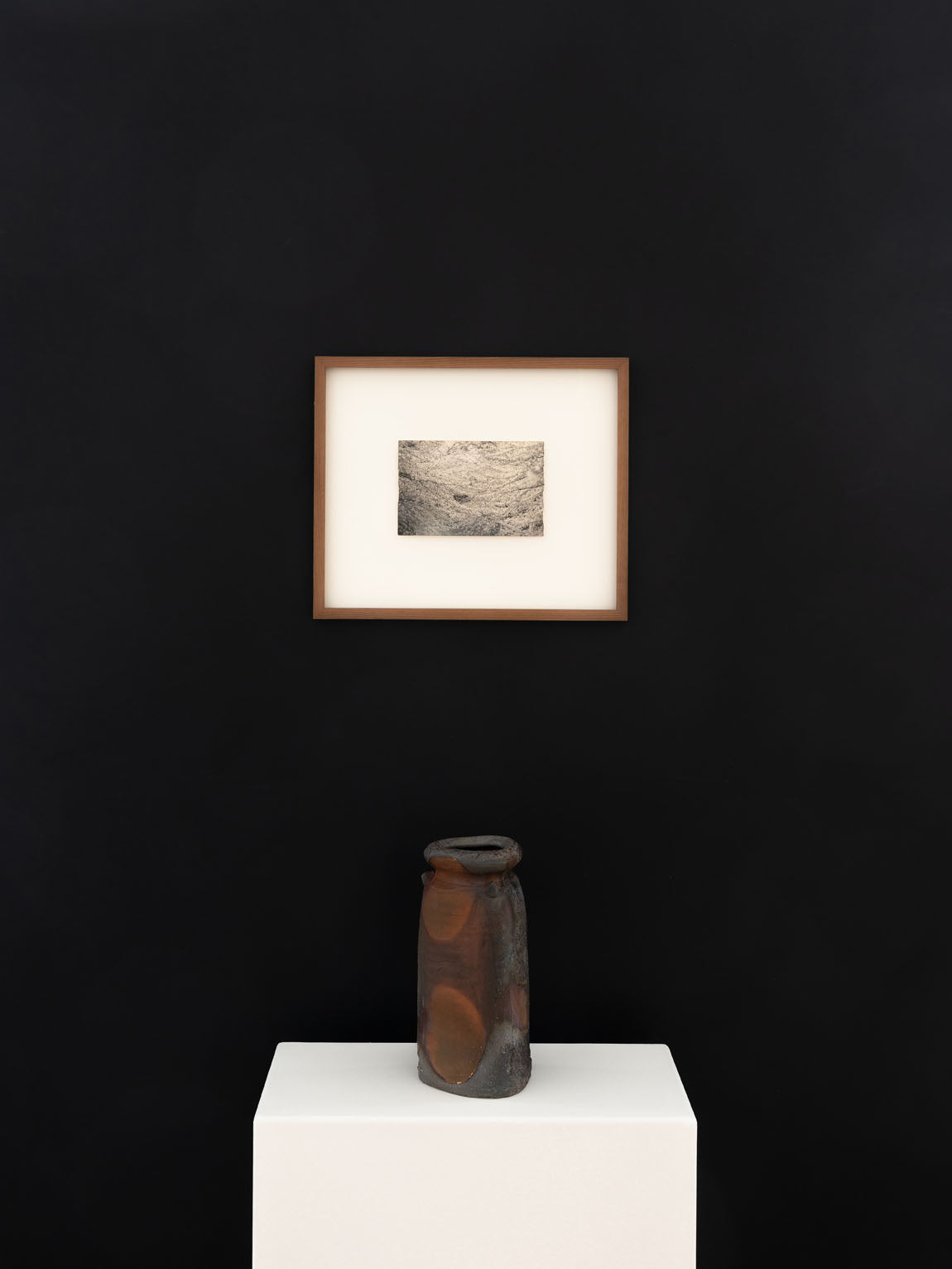
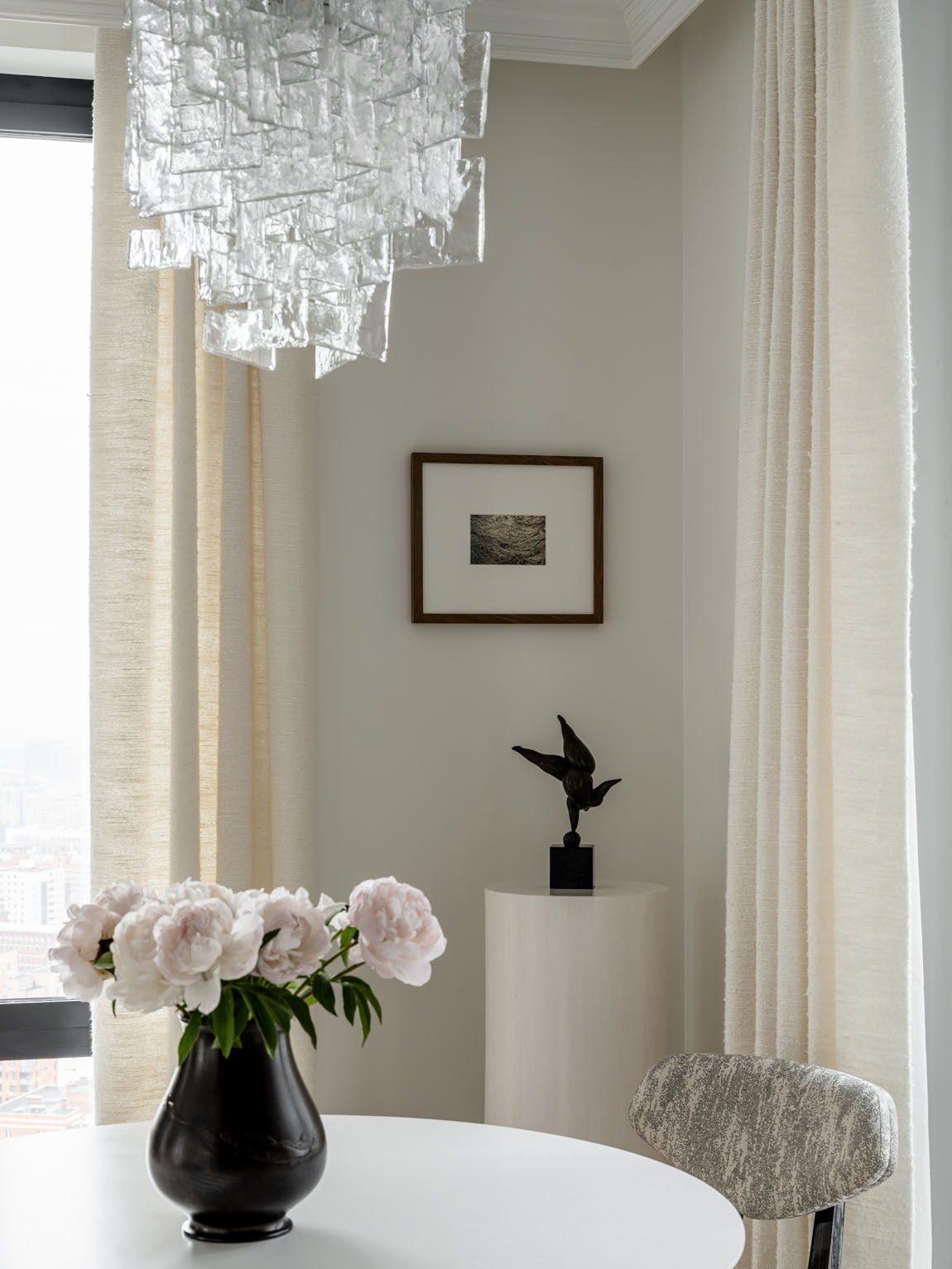
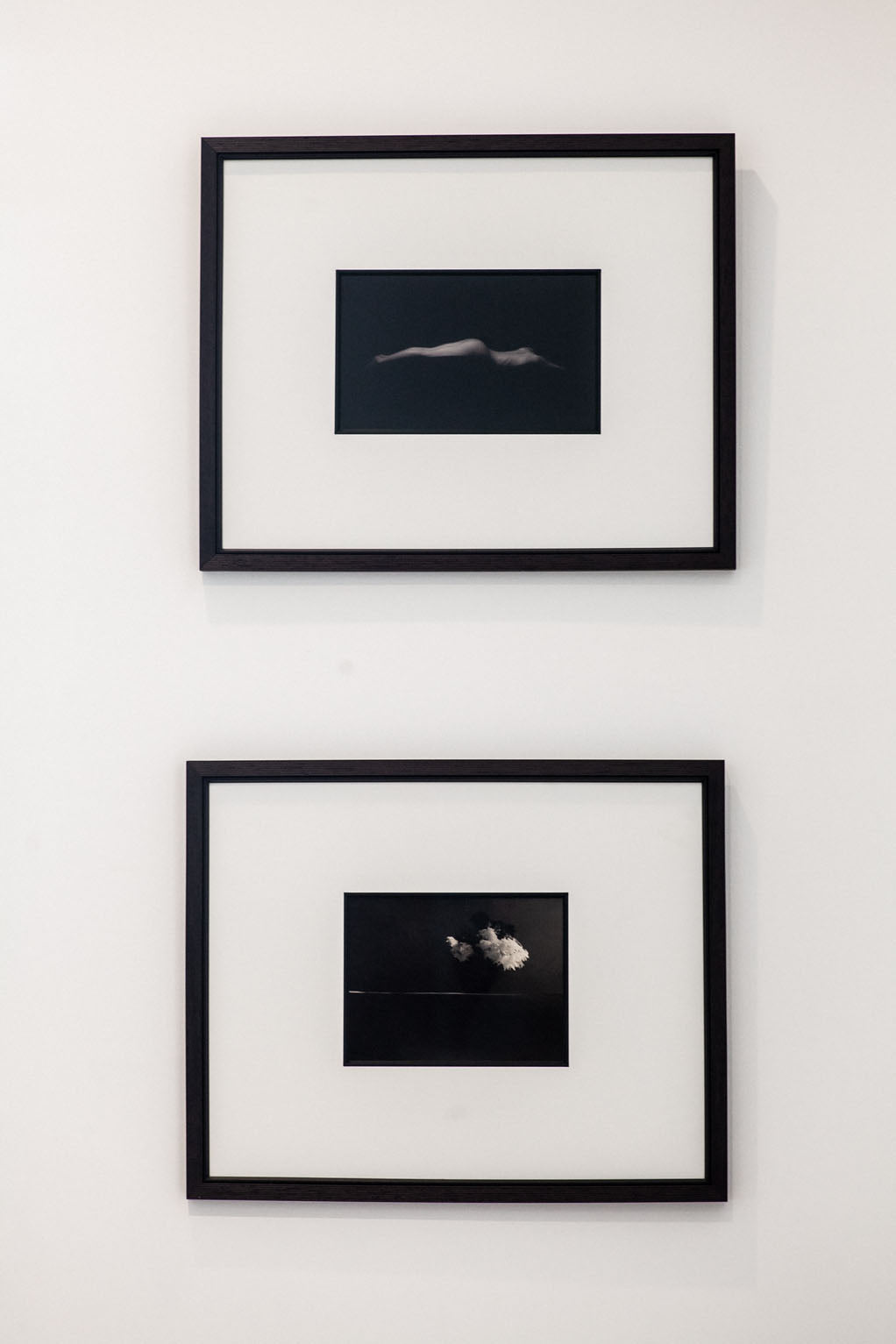

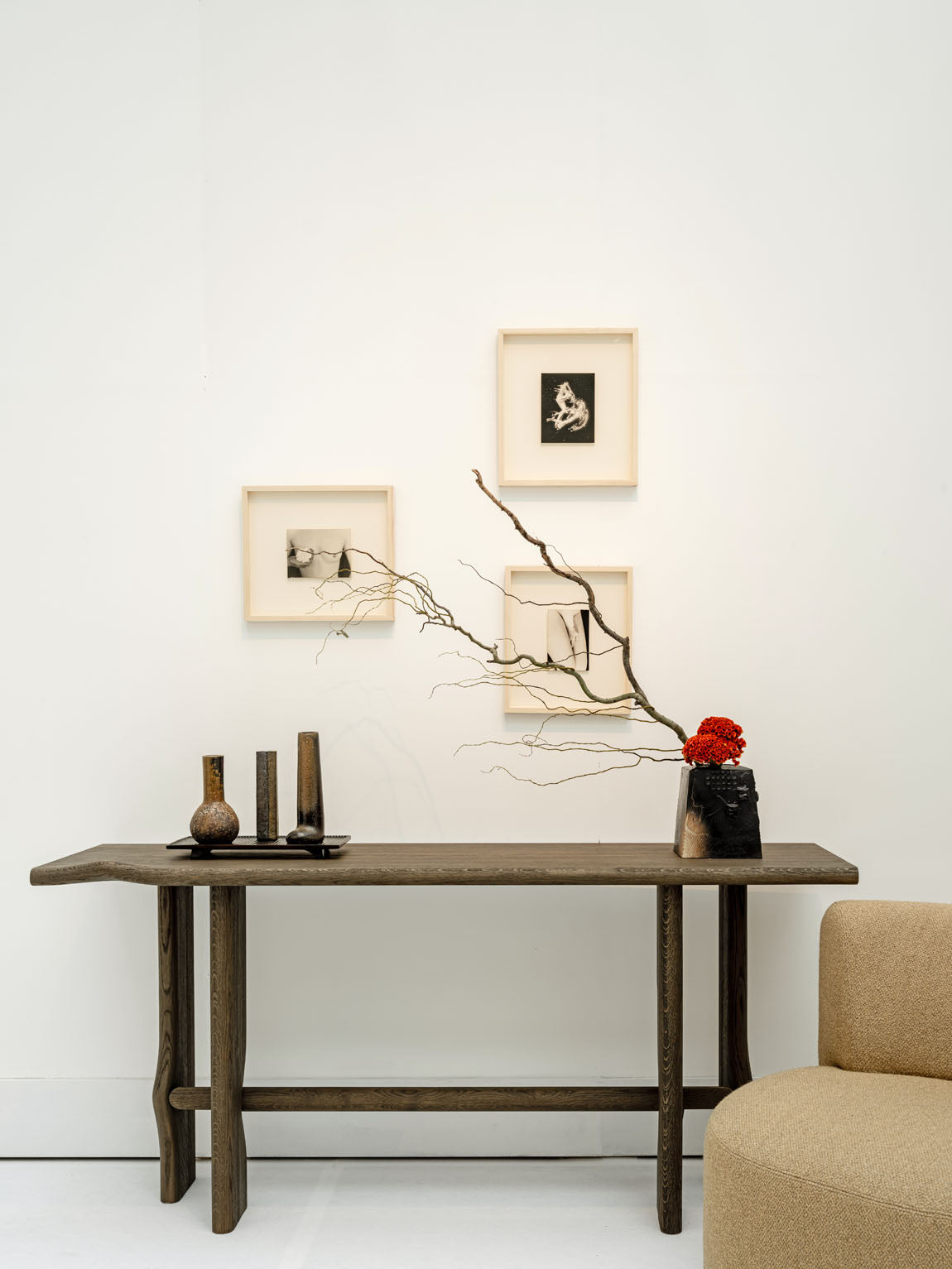
The photographs in the Shizuka series were taken during Yamamoto’s stay in the forest. What initially appear as simple elements of nature become, through his lens, sources of inspiration, calm and serenity.
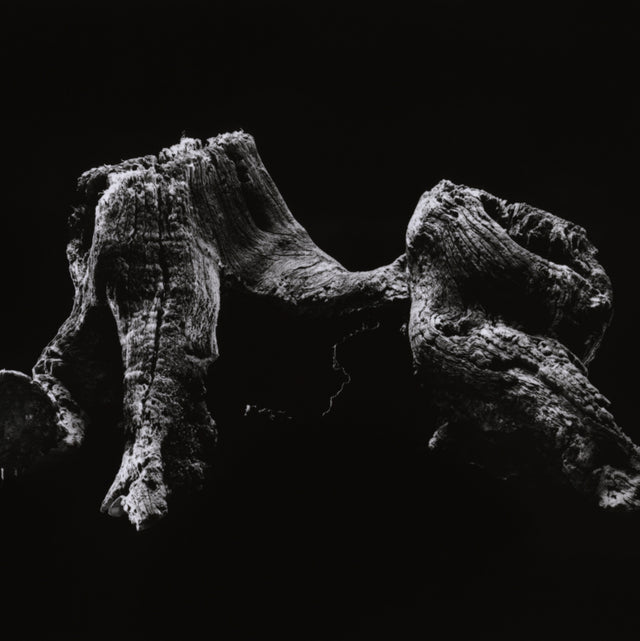
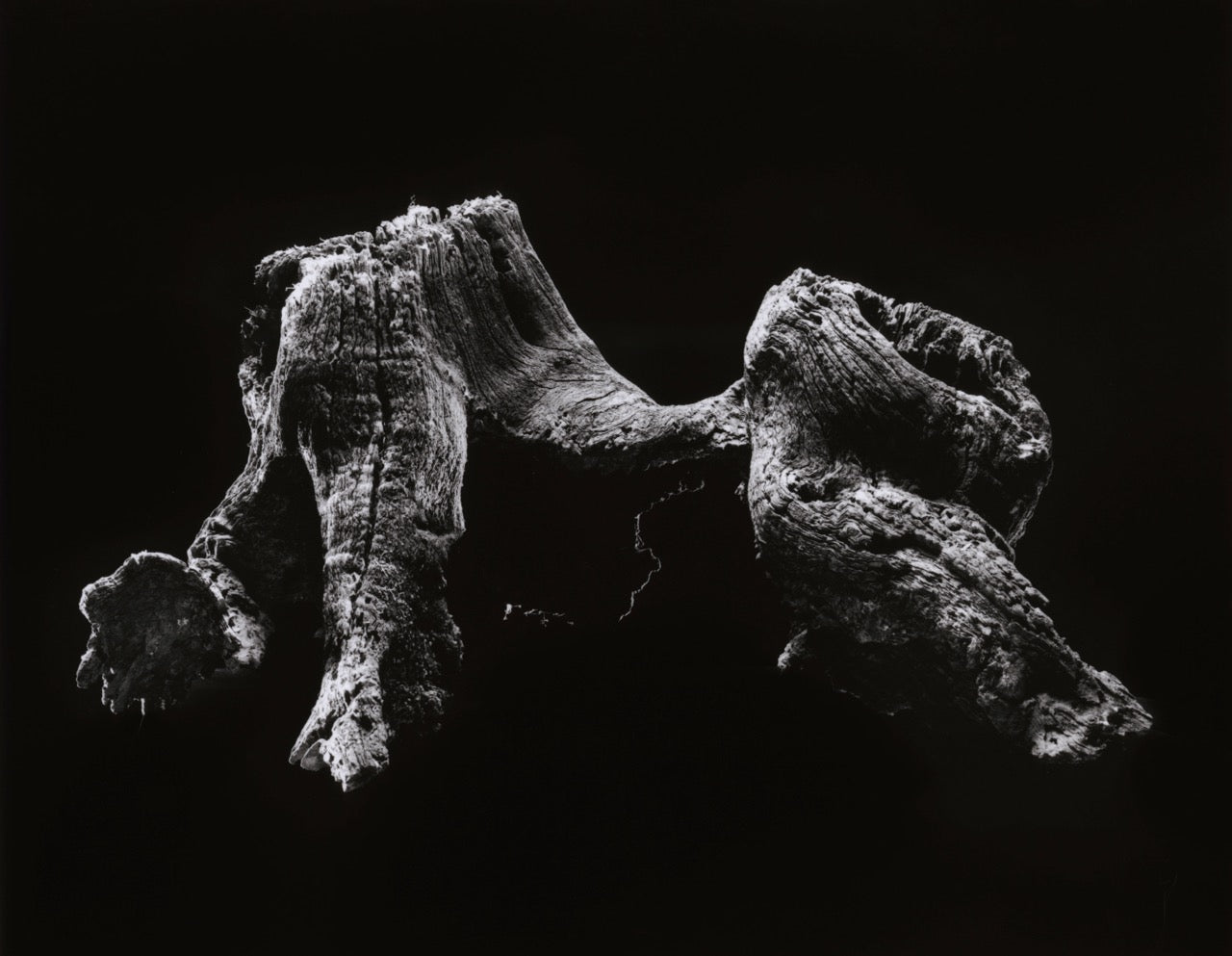
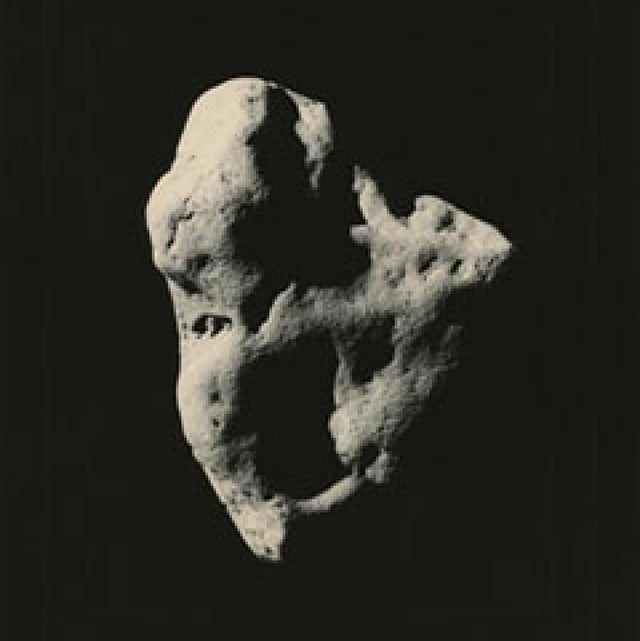
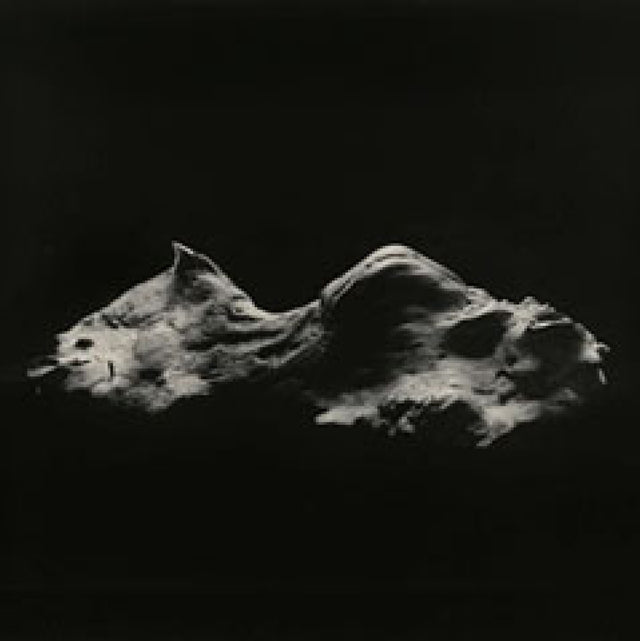
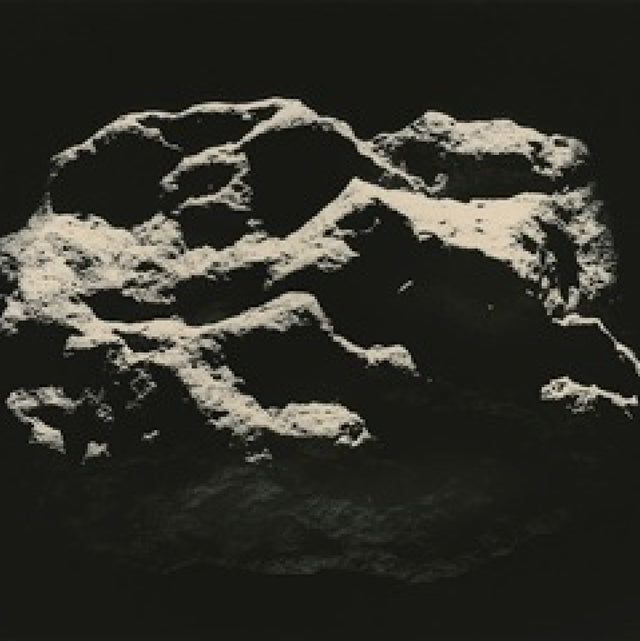
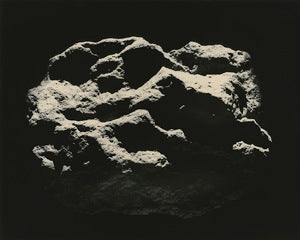
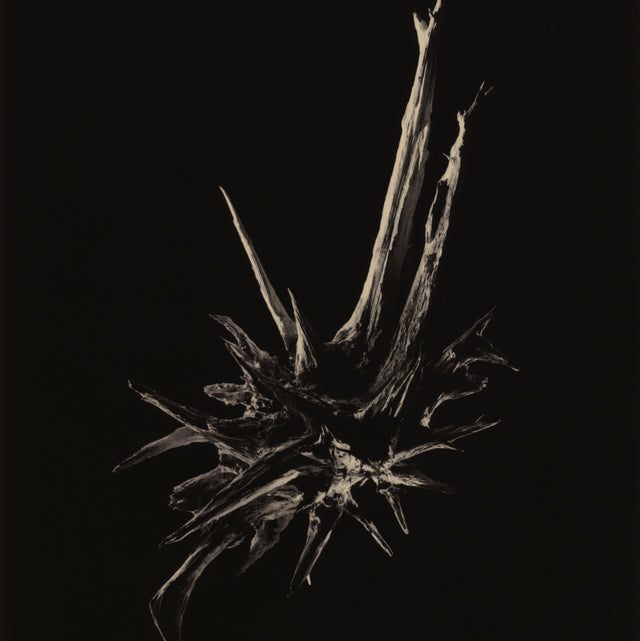
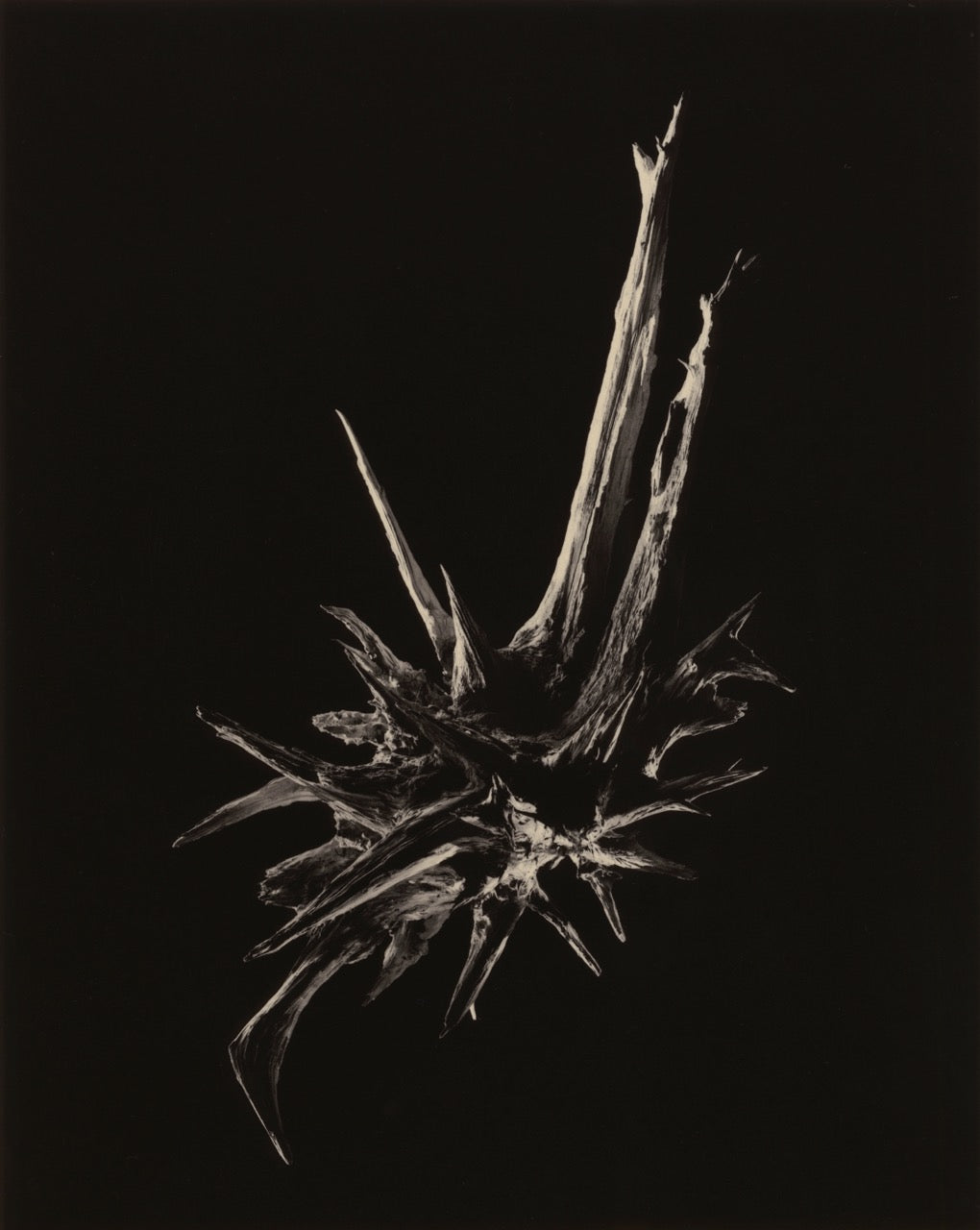
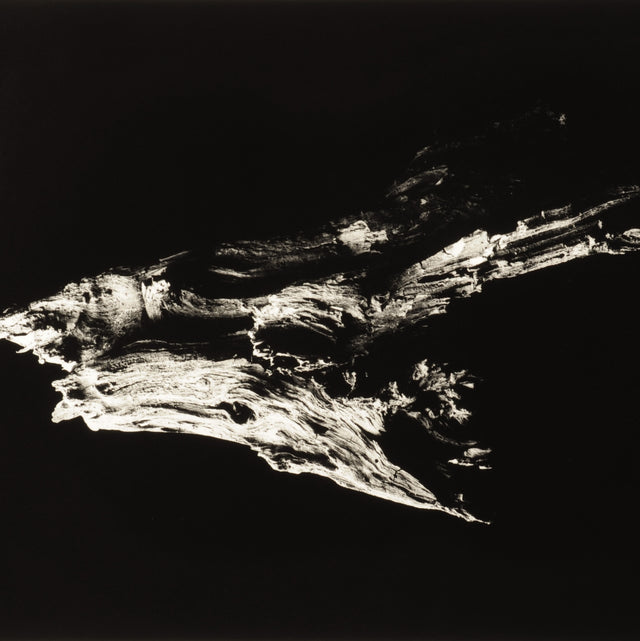
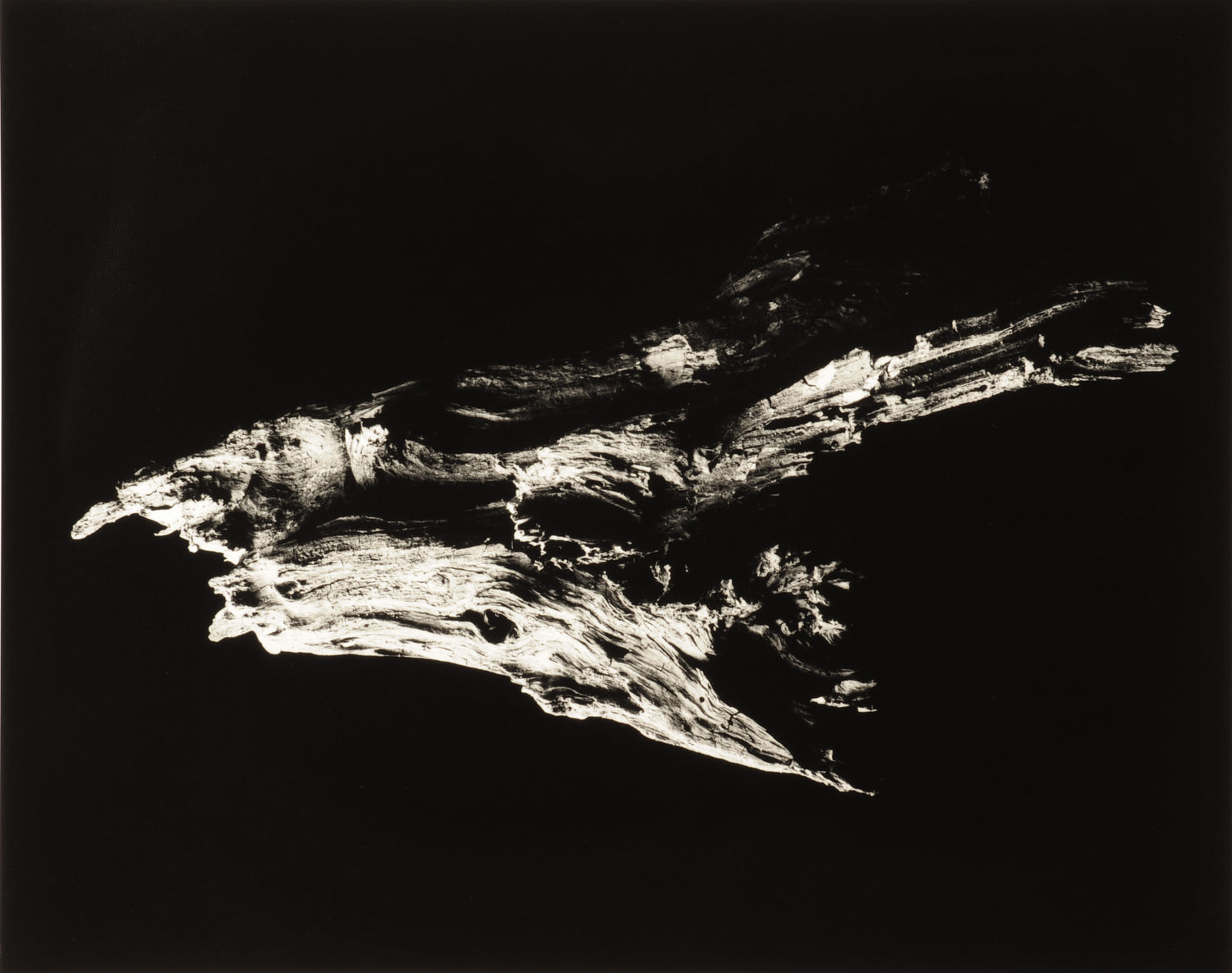
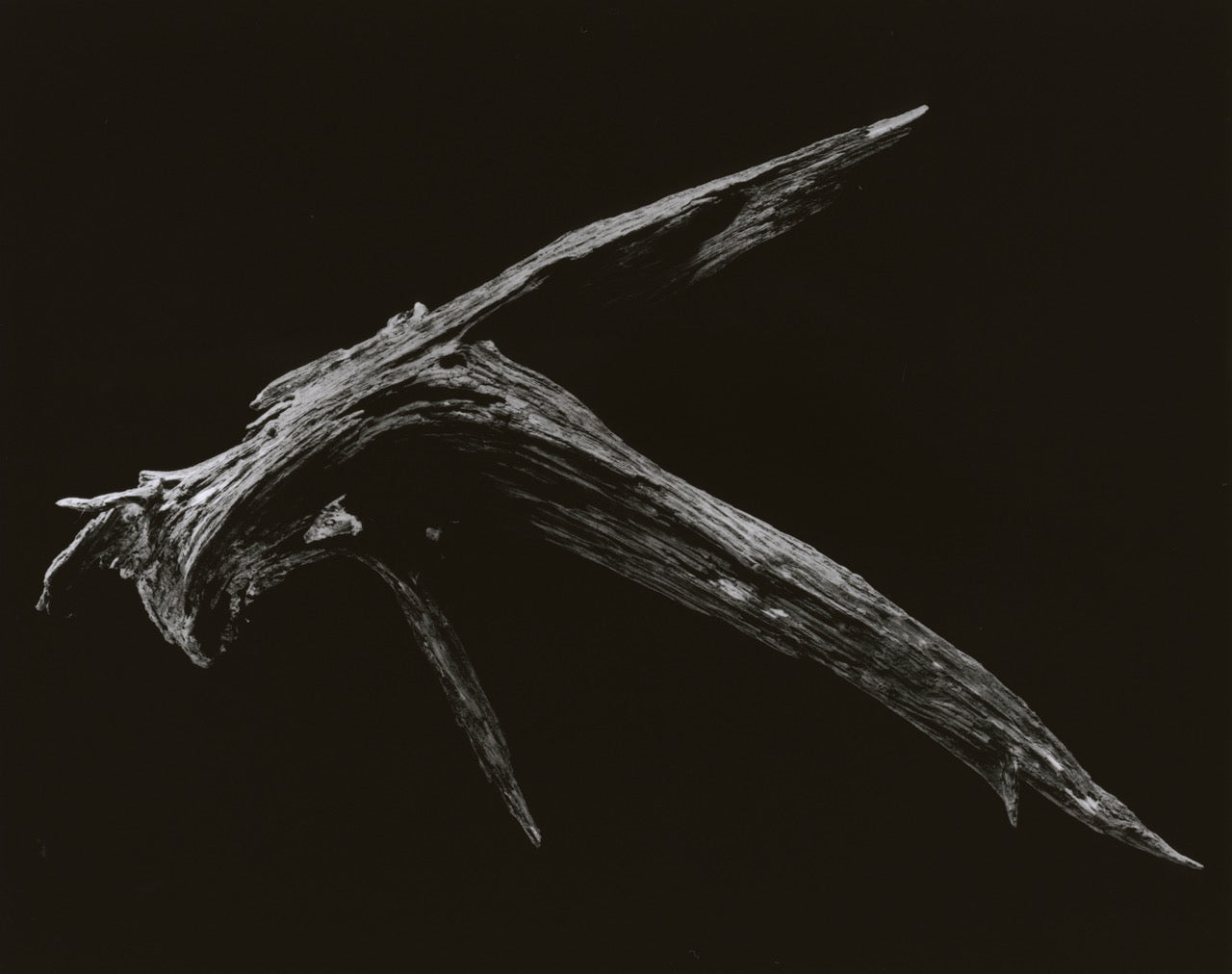
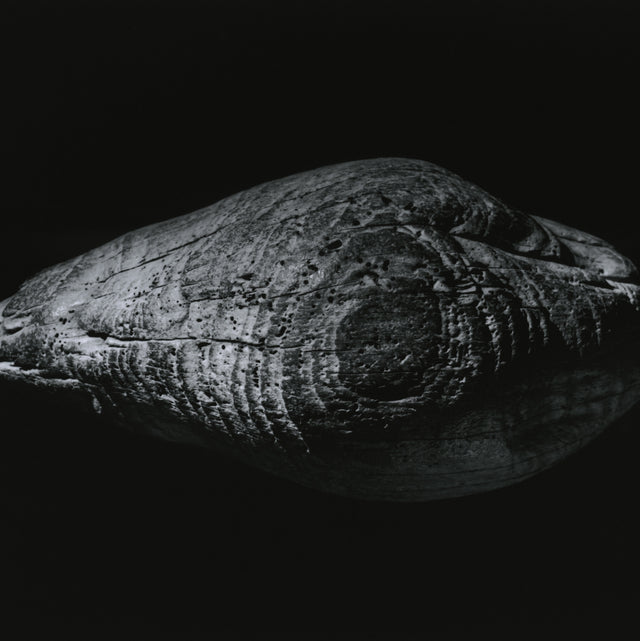
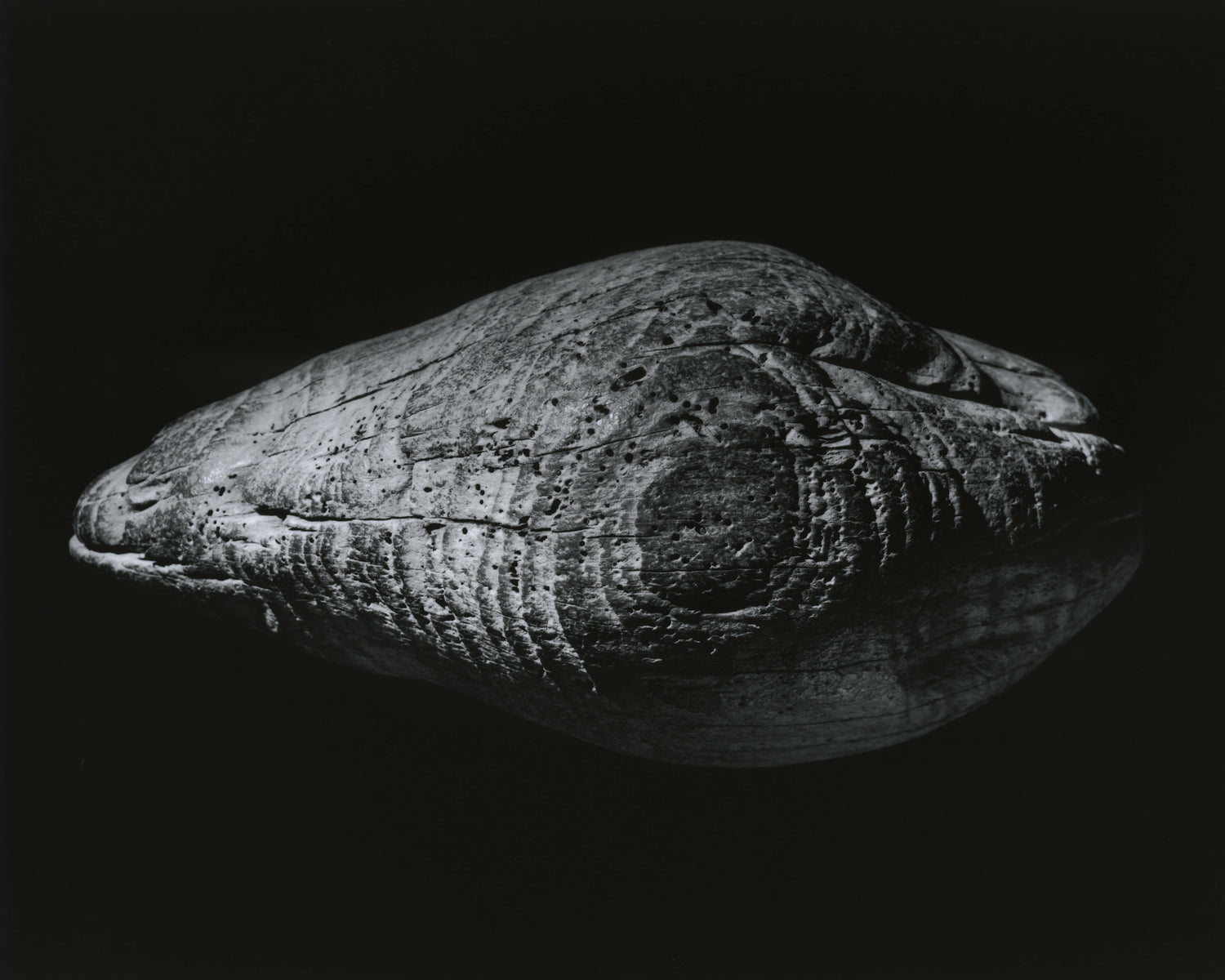
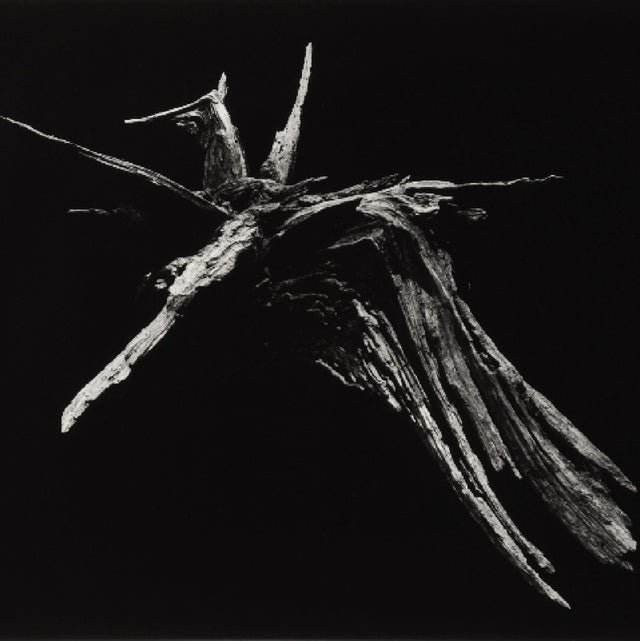
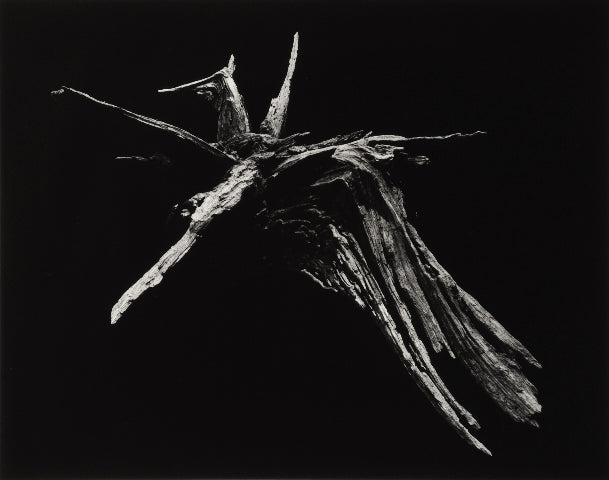
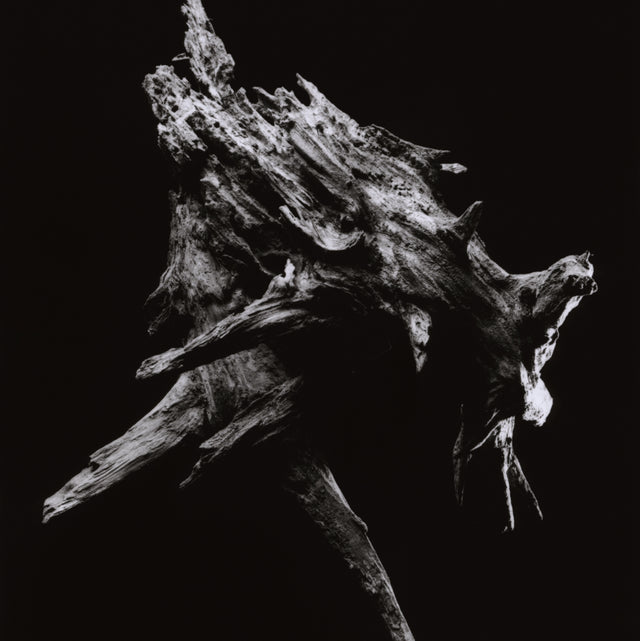
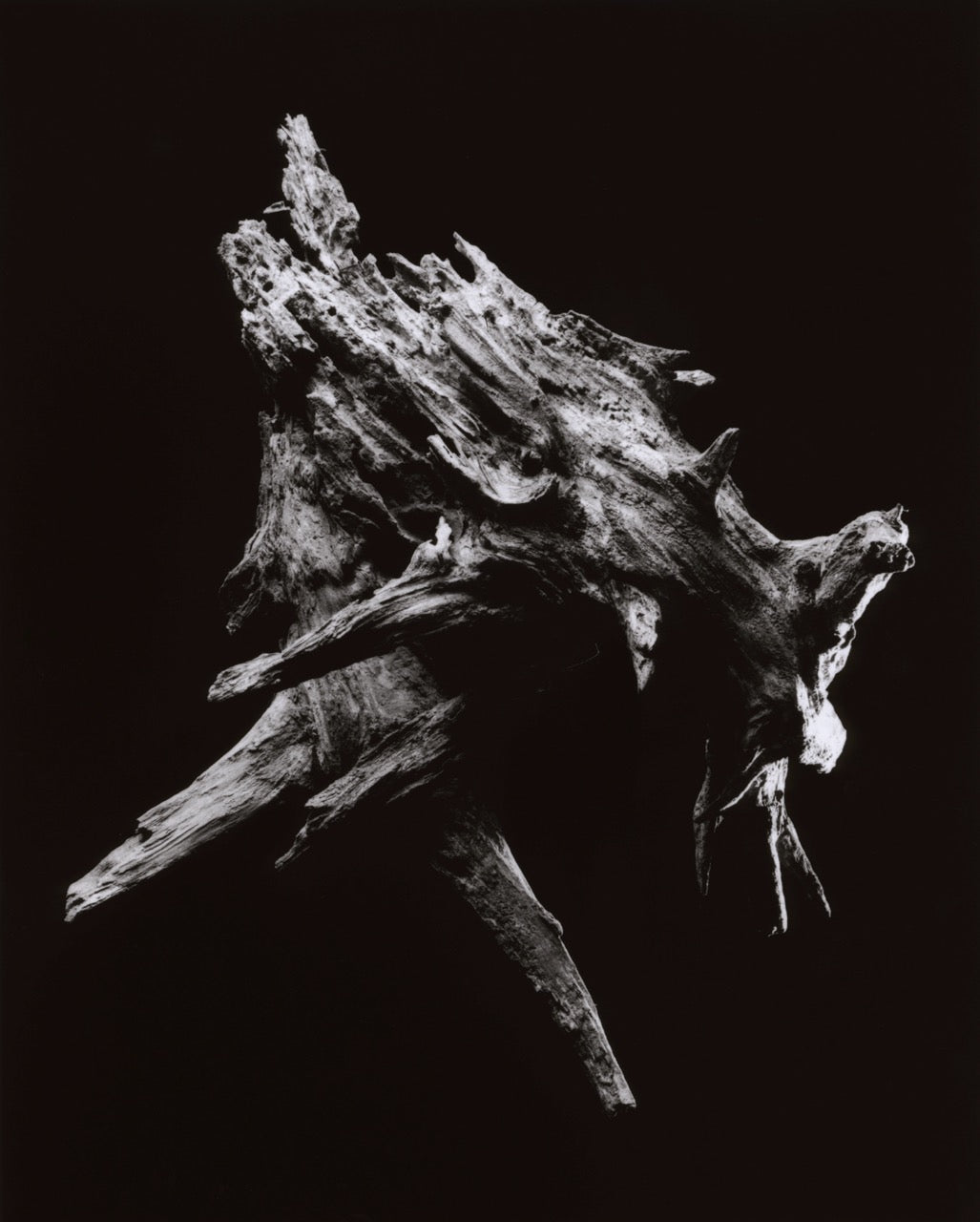
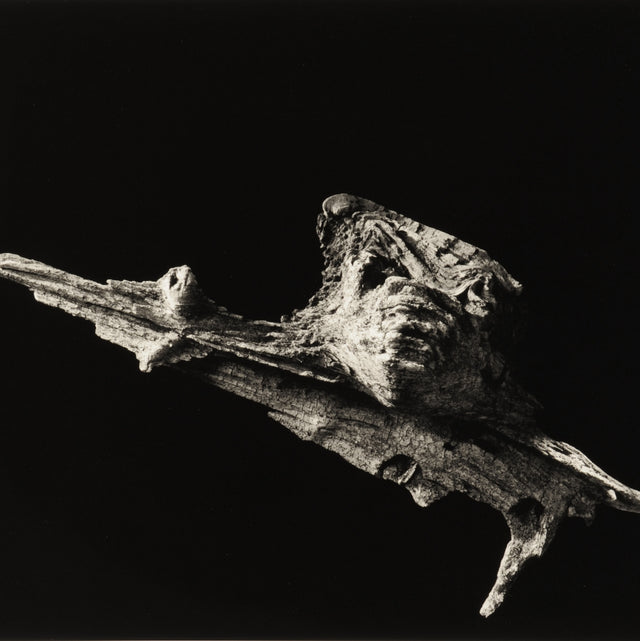
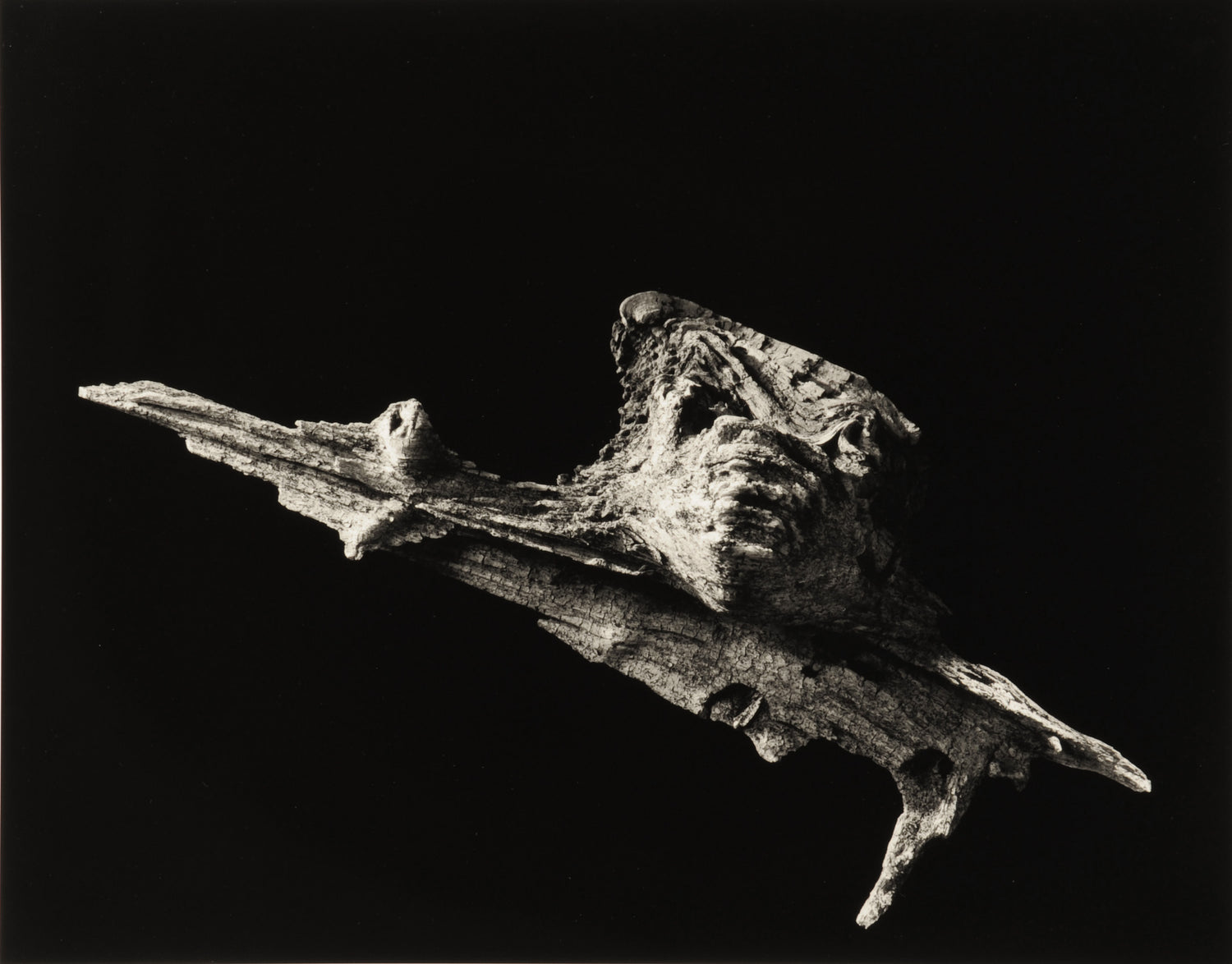
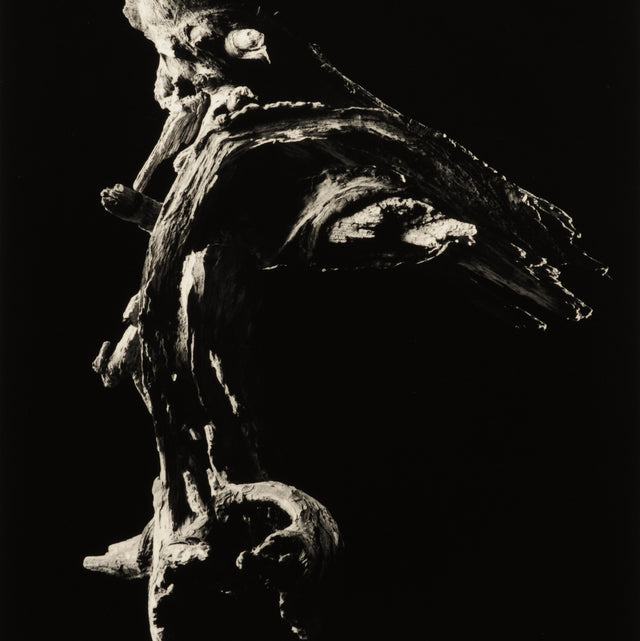
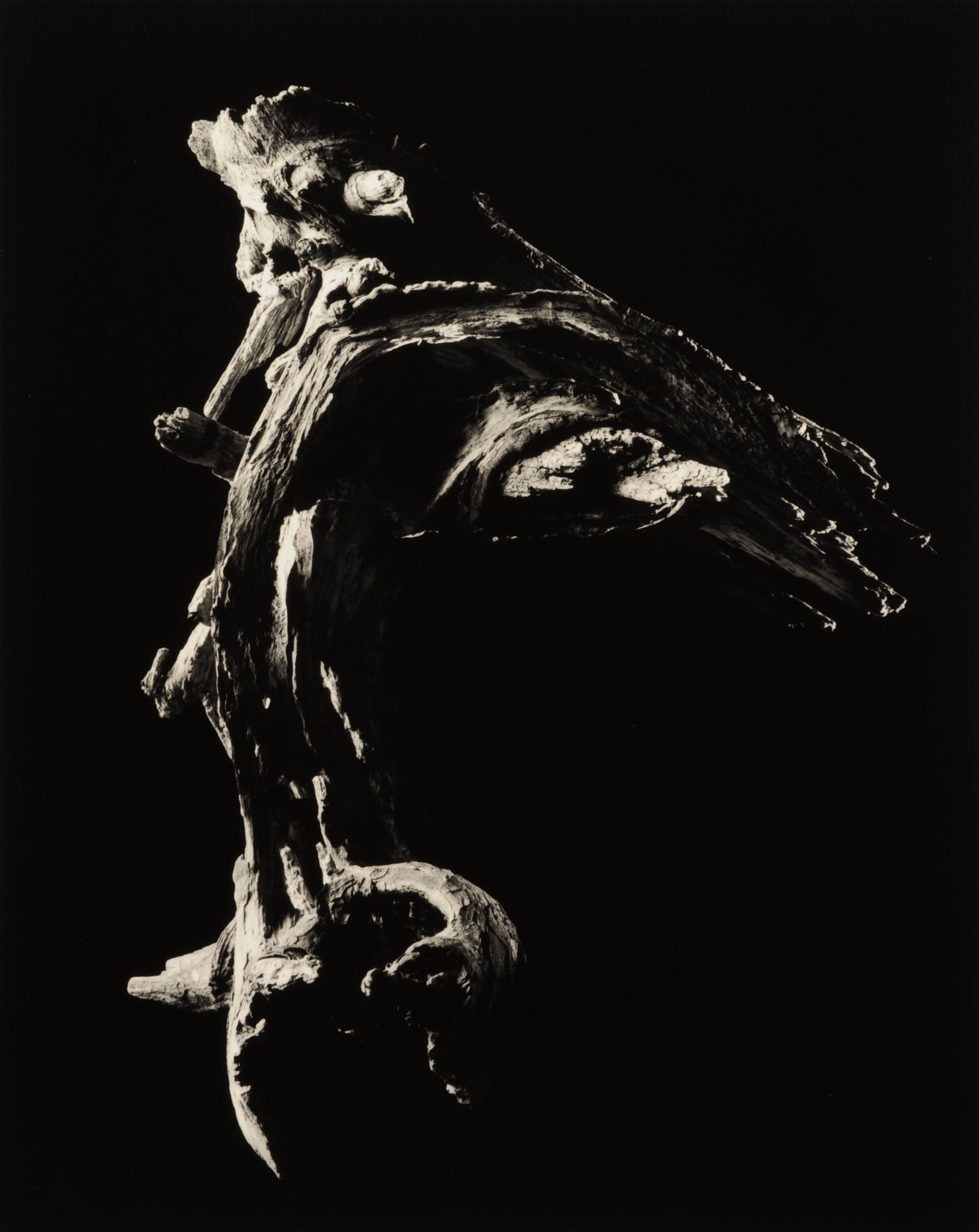


The Tomosu series consists of a selection of photographs including those created using the XIX century Ambrotype process. The Japanese word Tomosu means “to illuminate, to light a small flame in the darkness”, once again highlighting the poetic foundations of the artist’s practice.